How to Choose Window Treatments for Sun, Privacy, and Comfort in 2026
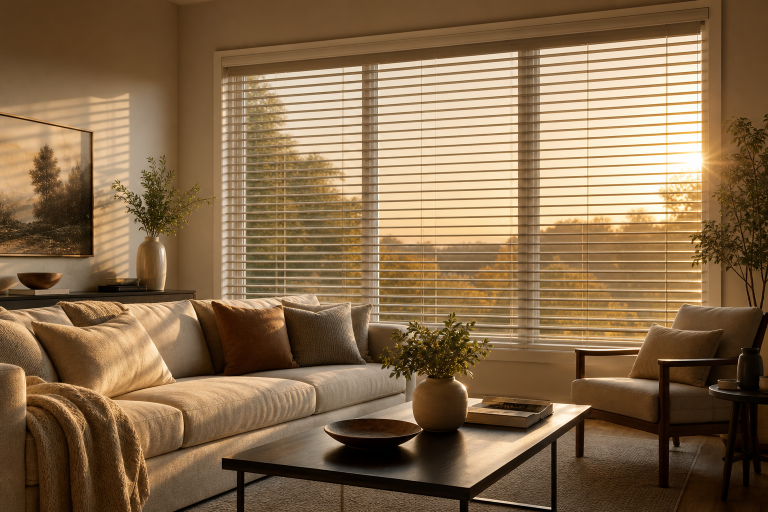
The right window treatment does more than finish a room. It can reduce glare, make daytime work easier, add privacy after dark, and help a space feel more comfortable during hot afternoons or chilly mornings. For homeowners comparing Centennial custom blinds, the best starting point is to identify what each window needs to do before choosing a color, fabric, or operating style.
A single solution rarely works everywhere. A bedroom may need strong light blocking, while a kitchen needs a moisture-resistant option that wipes clean. Choosing by function first, then refining the look, helps prevent expensive changes after installation.
Why Window Treatment Choice Matters
Window coverings influence how a room looks and how it functions throughout the day. They can soften harsh sunlight, direct light away from screens, give street-facing rooms privacy, and make windows feel more finished. They may also support energy-conscious home improvements. The U.S. Department of Energy explains how window attachments can improve comfort and affect heating and cooling demand, although results vary by climate, window orientation, fit, and daily use.
Assess Each Window Before Shopping
Start with the window itself. East-facing windows can bring intense morning brightness, while west-facing windows often create late-day heat and glare. South-facing windows may need flexible solar control, and north-facing windows often benefit from privacy treatments that preserve soft natural light.
Measure the opening, note its depth, and look for cranks, handles, trim, radiators, and furniture that could affect operation. Large picture windows, bay windows, arches, and sliding doors may need custom planning. Then identify the main issue: glare, heat, privacy, darkness, drafts, or safety.
Compare Common Window Treatment Types
Blinds
Blinds offer adjustable light control through movable slats. Wood, faux wood, aluminum, vinyl, and composite styles have different looks and maintenance needs. They suit many living rooms, kitchens, offices, and bedrooms, but wider slats can create a bolder appearance and require more clearance when tilted.
Roller and Cellular Shades
Roller shades provide a clean profile and are available in light-filtering, solar, room-darkening, and blackout fabrics. Cellular shades use folded pockets that trap air near the glass, making them useful in bedrooms, nurseries, and rooms where drafts or temperature swings are noticeable.
Shutters, Curtains, and Drapes
Shutters create a structured, architectural look with reliable light adjustment, but they require adequate frame depth and must not interfere with window operation. Curtains and drapes add softness, color, and texture. They are especially effective when layered over shades for deeper darkness and a more polished design.
Match the Treatment to the Room
- Living rooms: Consider solar shades, woven shades, adjustable blinds, or layered drapery for glare control and flexible privacy.
- Bedrooms: Use room-darkening or blackout shades, outside mounts, side channels, or lined curtains. Blackout fabric alone may still leave light gaps around the edges.
- Kitchens and bathrooms: Choose easy-clean materials such as faux wood, vinyl, aluminum, or moisture-resistant fabrics. Avoid materials likely to warp or retain moisture.
- Home offices: Solar shades and adjustable blinds can reduce monitor glare while still letting in useful daylight for video calls and everyday work.
- Sliding glass doors: Select treatments that clear handles and stack out of the way. Panel tracks, vertical systems, sliding shades, and drapery are common options.
Control Sunlight, Heat, Glare, and Privacy
Light-filtering products soften daylight, but they do not create darkness. Solar shades can reduce glare while maintaining some outward visibility, making them helpful in offices and living areas. Room-darkening and blackout products are better suited to bedrooms and media rooms. Compare fabric openness, color, lining, and mount style because each affects how much light enters the room.
Privacy also changes from day to night. Sheer fabrics, screen shades, and tilted slats may limit views into a room during the day, yet silhouettes can still show when interior lights are on after dark. Bedrooms and bathrooms often need stronger coverage, while top-down or bottom-up designs can preserve daylight without exposing the lower part of a window.
Focus on Child and Pet Safety
For homes where young children or pets live or visit, cordless, wand-operated, or motorized treatments are usually the clearest choice. Keep cribs, beds, sofas, and pet furniture away from windows and cords. Older products should be checked for loose cords, damaged hardware, or unstable mounting. The Consumer Product Safety Commission recommends cordless window coverings when young children are present and provides guidance for reducing risks with existing corded products.
When Motorized Treatments Make Sense
Motorized treatments can be practical for tall, hard-to-reach, or frequently used windows. Schedules can close shades during the strong afternoon sun, open them in the morning, or automatically add evening privacy. Before buying, confirm how the product is powered, whether batteries need charging, where outlets are located, and whether the controls work with an existing smart-home system. Convenience should support the room’s needs, not replace good planning.
Measure Correctly and Set a Budget
Measure width in several places, measure height from the intended top point to the sill or floor, and record the available depth. Decide whether an inside mount will fit without obstructing the hardware, or whether an outside mount will provide better light coverage. Never assume nearby windows are identical.
Your total budget should account for material, fabric, window size, custom shapes, hardware, motorization, professional measuring, and installation. Comparing the complete installed cost is more useful than comparing product prices alone.
Common Buying Mistakes to Avoid
- Choosing only by color or style.
- Using the same treatment in every room without considering the function.
- Confusing light-filtering fabric with blackout coverage.
- Ignoring sun direction, handles, trim, furniture, or door movement.
- Measuring once instead of checking multiple points.
- Skipping samples in the room’s actual daylight.
- Overlooking cord safety or power needs for motorized products.
A Simple Selection Checklist
- Window direction and strongest sun exposure
- Main concern: glare, heat, privacy, darkness, or drafts
- Room type and moisture level
- Desired light level: sheer, light-filtering, room-darkening, or blackout
- Preferred mount: inside or outside
- Safety needs: cordless, wand-operated, or motorized
- Material preference and cleaning requirements
- Manual, remote, app, or scheduled operation
- Estimated product, installation, and maintenance budget
Final Thoughts
The best window treatment solves a specific everyday problem while fitting the character of the room. Consider sun exposure, privacy, safety, comfort, window design, and budget together. With a thoughtful plan for each window, it is easier to choose a treatment that looks right and works well for years.