Should You Handle A Nevada Personal Injury Claim On Your Own
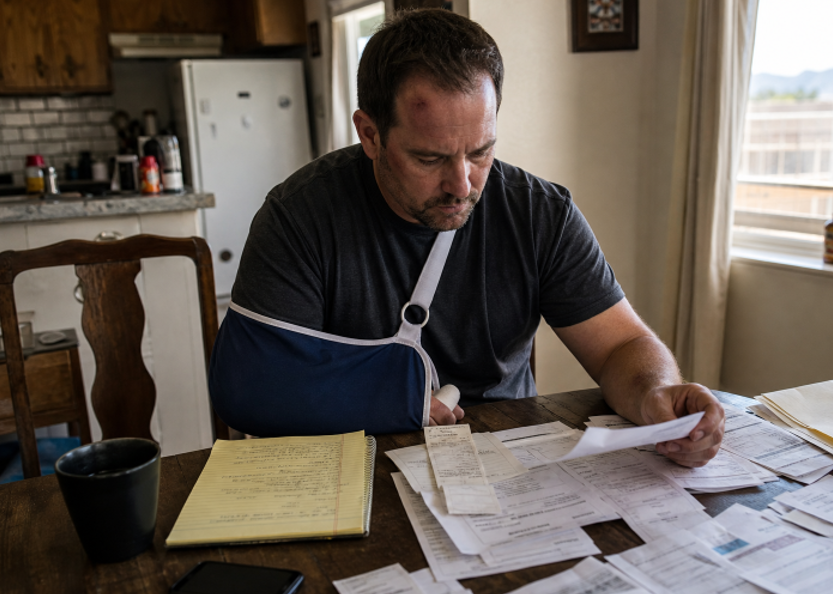
After a crash on I-15, a fall at a Las Vegas business, or an accident on a Reno job site, handling the insurance process alone can seem like the simplest choice. In a straightforward situation, filing a personal injury claim without an attorney may be possible, but it also means taking responsibility for the evidence, deadlines, paperwork, negotiations, and any court requirements.
The practical question is not simply whether you are allowed to manage a Nevada injury claim yourself. It is whether the claim is simple enough to do so without overlooking a loss, weakening important evidence, or accepting a settlement before the full effect of the injury is clear.
What To Do In The First Few Days
Early decisions can shape the strength of an injury claim. Nevada accidents often happen in fast-moving traffic, crowded tourist areas, parking lots, construction zones, and businesses with changing conditions. Once a scene is cleaned, vehicles are repaired, or video is overwritten, it can be harder to establish what occurred.
- Seek appropriate medical attention and follow through with recommended care.
- Report the incident to law enforcement, a property owner, an employer, or another appropriate party.
- Photograph the scene, visible injuries, vehicle damage, hazards, and relevant signs.
- Write a short account of what happened while your memory is fresh.
- Collect witness names and contact information when possible.
- Save bills, receipts, appointment records, work notes, and insurer correspondence.
How A Personal Injury Claim Works
An insurance claim and a lawsuit are not the same thing. An insurance claim is usually a request for payment submitted to an insurer. It may involve an investigation, medical records, repair documents, settlement discussions, and a written release if an agreement is reached. A lawsuit is a formal court case that may become necessary if the parties cannot resolve the dispute.
Questions To Answer Before Making A Demand
- Who may be responsible for the accident or dangerous condition?
- What facts show that the person or business caused the injury?
- What treatment was needed, and is it complete?
- Which financial losses can be supported with documents?
- Is the fault being disputed by an insurer or another party?
Evidence That Can Strengthen A Claim
Organization matters. A simple timeline that connects the accident, symptoms, treatment, missed work, and expenses can make a claim easier to understand. Keep original files when possible, and avoid editing photos or discarding messages that could help explain the event.
Records Worth Gathering
- Police reports or incident reports.
- Medical records, treatment summaries, bills, and prescriptions.
- Photos, video, surveillance requests, and witness statements.
- Insurance information and written communications with adjusters.
- Pay stubs, tax records, and employer documentation of missed work.
- Repair estimates, invoices, and proof of damaged personal property.
- A dated journal describing pain, sleep disruption, mobility issues, and missed activities.
Tracking Financial And Personal Losses
Some losses are relatively easy to document, while others need a clearer explanation. Keep a running file rather than trying to reconstruct expenses months later. Your records might include medical costs, travel to appointments, income lost during recovery, property damage, and the ways an injury affected normal routines.
- Medical costs: Keep statements for appointments, therapy, medication, medical equipment, and related travel.
- Income loss: Preserve payroll records, work schedules, employer letters, and documentation of reduced duties.
- Property damage: Save photographs, repair estimates, invoices, and replacement receipts.
- Personal impact: Record changes in sleep, household tasks, hobbies, mobility, and family responsibilities.
Communicating With Insurance Companies
Be accurate, calm, and consistent when speaking with an insurer. Stick to facts you know. Do not guess about fault, minimize symptoms just to move the conversation along, or make broad statements about recovery before medical providers have assessed your condition. Ask for significant requests and settlement terms in writing, then retain copies of every email, letter, and claim note.
Before signing a release, read it closely. A settlement agreement may resolve more than a current bill, and it can affect your ability to seek additional payment later for the same incident.
Nevada Deadlines And Filing Rules
Deadlines should be identified early because the applicable time limit can depend on the type of claim, the parties involved, and the facts of the case. Insurance notice requirements can also differ from the deadline to file in court. Claims involving a government entity, medical care, a minor, or a death may raise additional issues.
People representing themselves can use the Nevada courts’ general information and court resources as a starting point, but forms and procedures may vary by court and case type.
When Self-Representation May Be Practical
Handling a claim alone may be more realistic when the injury fully heals, treatment is complete, fault is clear, expenses are limited and documented, and only one insurer is involved. Even then, compare any offer against all supported losses before deciding whether it resolves the matter fairly.
Signs A Claim Is Becoming Complex
Consider getting legal guidance if the insurer blames you, denies coverage, requests a recorded statement or broad medical authorization, or makes an offer that does not appear to match the documentation. Added complexity also arises with permanent impairment, future treatment, serious injuries, multiple vehicles, multiple policies, business defendants, or court deadlines.
What Happens If A Lawsuit Is Necessary
A lawsuit generally requires identifying the proper court and defendants, preparing a complaint, filing it correctly, arranging service, responding to court deadlines, exchanging evidence, and attending hearings or settlement conferences.
A Simple Claim-Management Checklist
- Week one: Get care, report the event, preserve evidence, and notify the appropriate insurer.
- First month: Build a timeline, organize records, and track missed work and out-of-pocket costs.
- During treatment: Attend appointments, follow medical advice, and document changes in symptoms and activities.
- Before negotiating: Review the evidence, calculate documented losses, and consider whether treatment is complete.
- Before signing: Read the entire settlement agreement and understand what claims it releases.
Common Questions
Can Someone File A Nevada Personal Injury Claim Without A Lawyer?
Yes, a person can generally pursue a claim on their own. They remain responsible for meeting deadlines, presenting evidence, communicating with insurers, and following court rules if litigation begins.
Should You Accept The First Settlement Offer?
Not without reviewing what the offer covers. Early offers may arrive before treatment, future needs, or the full impact on work and daily life is known.
What If You Were Partly At Fault?
Shared fault can affect the outcome. The facts, available evidence, and Nevada law all matter, so do not assume that partial responsibility automatically ends a claim.
See also: Subscriberz: The Ultimate Hack to Skyrocket Your Social Reach
Final Takeaway
A well-managed Nevada personal injury claim begins with prompt care, reliable records, measured communication, and close attention to deadlines. A minor, fully resolved claim may be manageable alone. When injuries are serious, fault is disputed, or the process moves toward court, the risks and workload can change quickly.