The Enduring Legacy of Round Challenge Coins: From Military Tradition to Modern Symbolism
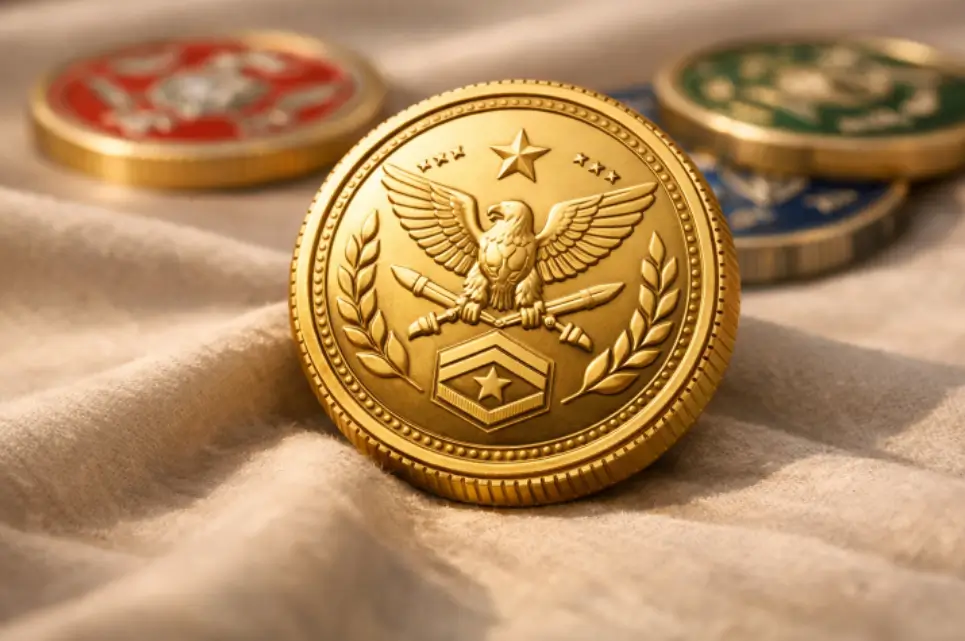
Table of Contents
- Origins of Challenge Coins
- Evolution Through the 20th Century
- Modern Applications in Military and Beyond
- Design and Manufacturing Advancements
- Collecting and Trading Challenge Coins
- Etiquette and Traditions Surrounding Challenge Coins
- Impact on Morale and Camaraderie
- Conclusion
Challenge coins carry a legacy that spans generations, embodying honor, achievement, and unity in both military and civilian spaces. While their heritage remains deeply connected to the armed forces, the appeal of the classic round shape has persisted, making round challenge coins a standard cherished by countless organizations worldwide. This iconic form, recognized for its symbolism of completeness, stands at the heart of a unique tradition that transcends boundaries.
The story of challenge coins is not just a military tale. Today, they are used everywhere from police departments to corporate offices, each coin preserving a moment of achievement or connection. They offer a tangible sense of belonging, a link between past and present members of any team or group.
Origins of Challenge Coins
The origin of challenge coins has been woven into folklore and military history alike. A widely cited account attributes their emergence to World War I, when a wealthy American lieutenant is said to have commissioned custom bronze medallions for his squadron. This gesture took on legendary status after one pilot, downed behind enemy lines, avoided execution by showing his medallion to French allies, proving his identity and allegiance. Challenge coins began their journey as powerful emblems of belonging and shared risk.
See also: Customised Workwear – Empowering Businesses Professional Branding
Evolution Through the 20th Century
Throughout the 20th century, these coins evolved into integral parts of military culture. By the Vietnam War era, special forces popularized the concept, using coins to verify group membership and solidify ties among comrades. Eventually, the coin tradition spread through all branches of the U.S. military. By the 1990s, challenge coins were used widely as awards for meritorious service, milestones, or to commemorate unique unit bonds.
Beyond their military roots, challenge coins came to represent a broader tradition. Commanders and military dignitaries began handing out coins to recognize extraordinary contributions from both service members and civilians, amplifying the coins’ reach and emotional resonance.
Modern Applications in Military and Beyond
Today, challenge coins are used across diverse arenas. Law enforcement units mint unique coins for different squads and commemorate critical incidents or fallen officers. Fire departments celebrate years of service or acts of bravery. In the corporate sphere, companies craft coins to honor significant employee achievements, promote unity at large-scale events, or mark organizational milestones. The presence of these coins in nonmilitary contexts demonstrates their ability to foster a sense of belonging and loyalty, regardless of the setting.
This widespread adoption reveals a deeper truth: the message of round challenge coins, honor, unity, and accomplishment transcends the particular details of any one organization or discipline.
Design and Manufacturing Advancements
Advancements in manufacturing technology have radically enhanced the artistry of challenge coins. Modern minting methods enable complex detailing, vibrant colors, and a broader range of finishes. Where early coins were traditionally bronze and round, contemporary coins now come in countless shapes, themes, and even textures, though the round coin remains a classic. The popularization of soft and hard enamel fillings has lent coins a jewelry-like quality, making them visually striking and highly collectible.
Collecting and Trading Challenge Coins
Collecting challenge coins has blossomed into a dedicated hobby. Enthusiasts, both military and civilian, seek coins issued for major events, units, and even special commemorations. Swapping coins, or “coin trading,” allows collectors to share stories and expand their collections across units and geographic boundaries. Online communities, trade shows, and dedicated conventions have created a space for collectors to connect, share coin histories, and appreciate the richness of the tradition.
Etiquette and Traditions Surrounding Challenge Coins
Challenge coins are steeped in unique rituals and traditions, one of the most famous being the “coin check.” In this practice, members can be challenged to present their coins at any time. Anyone unable to do so is expected to buy a round of drinks. This light-hearted tradition underscores the value and expectation of coin ownership, creating a shared experience and reinforcing group identity. Additional customs dictate how coins should be carried (in a pocket, not as jewelry) and how coins are presented (passed from hand to hand in a handshake), further deepening the agency of these tokens.
Impact on Morale and Camaraderie
Receiving a challenge coin is more than a personal milestone. It represents a public acknowledgment of commitment, effort, and the bond between giver and receiver. Within organizations, passing out coins can boost morale, celebrate unsung achievements, and cement deep connections among team members. The shared ritual of carrying and exchanging coins fosters a lasting sense of community, keeping traditions alive both formally and organically.
Conclusion
Challenge coins, especially of the classic round variety, continue to bridge generations and professions. From their legendary beginnings on war-torn fields to their modern symbolic roles in institutions worldwide, these coins have retained their meaning, honor, recognition, and unity. Their adaptability and enduring importance ensure that challenge coins will always play a vital role in how groups remember their history and celebrate one another.