The Mental Health Benefits of Group Fitness Classes
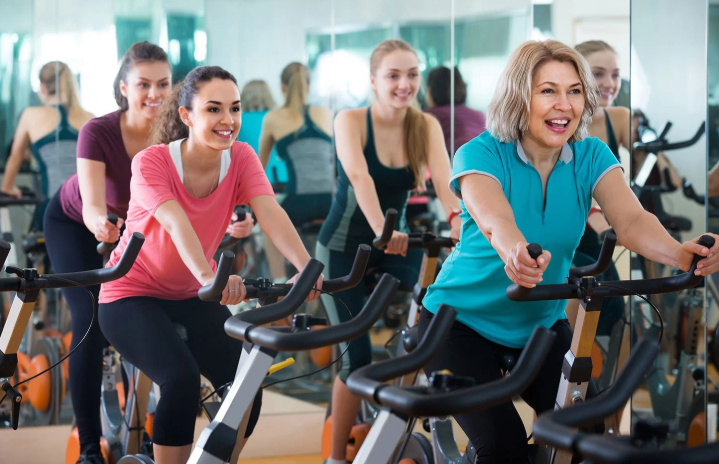
Key Takeaways
- Group fitness classes provide social support, reducing feelings of isolation.
- Regular participation can boost mood through the release of endorphins.
- Structured group workouts offer accountability, promoting consistency.
- Shared physical activity enhances emotional resilience and co-regulation.
- Inclusive group settings contribute to a sense of belonging and mental well-being.
Group fitness classes are transforming the way individuals approach mental and physical health. Beyond simply breaking a sweat or burning calories, these classes create a powerful environment where participants experience shared motivation, accountability, and community. Whether you are looking to boost your mood, relieve stress, or strengthen your sense of belonging, engaging in structured group exercise can be a game-changer. Integrating fitness into your life, even at home with options like a luxury home gym, opens the door to both personal wellness and deeper connections.
As more research underscores the link between physical activity and mental health, group fitness has emerged as a popular method not just for getting fit, but also for feeling better. Many people report that joining these group activities helps ease feelings of anxiety and depression, largely through the social support and encouragement they receive from others. Exercising with a group becomes about more than individual achievement; it is about building a community around shared wellness goals.
Social Connection and Belonging
Feeling connected to others plays a crucial role in mental health. Attending group fitness classes consistently introduces you to like-minded individuals, naturally reducing isolation and increasing your network of support. Bonding over similar goals and experiences creates a strong sense of belonging that is difficult to match in solo workouts. According to the American Psychological Association, positive social connections can buffer against stress and improve psychological well-being, making group exercise a simple way to foster these important bonds.
Additionally, group fitness environments often facilitate connections that extend outside of the class. Participants may form friendships, join social media groups, or attend events together, further enhancing social cohesion. Instructors can also serve as important role models or mentors, helping individuals set and achieve goals. These interpersonal bonds form a web of support that enriches the overall experience, giving individuals motivation to not only show up for exercise but to support each other in and out of class.
Natural Mood Enhancement
Exercise has long been recognized as an effective tool for lifting mood. During group fitness sessions, this mood-elevating effect is multiplied by the energetic atmosphere and positive reinforcement between class members. The release of endorphins during physical activity is coupled with boosts in dopamine and serotonin, helping to reduce stress, anxiety, and depressive symptoms. Many people find the camaraderie and group encouragement just as powerful as the exercise itself.
Even the anticipation of attending a fitness class with a supportive group can trigger positive feelings and energy throughout the day. Over time, participants commonly report a greater sense of optimism and mental clarity, showing that group workouts can profoundly influence emotional well-being over the long term. The social energy created in these classes becomes a motivating force, fueling each person’s desire to persist even when facing life’s daily challenges.
Accountability and Consistency
Sticking to an exercise routine is easier when others are counting on your presence. Group fitness classes bring structure and accountability, making it more likely you will maintain a regular schedule. Knowing that fellow participants and instructors expect you to show up inspires commitment, which delivers long-term mental and physical benefits. Consistency is crucial for sustainable improvements in mood, sleep, and energy levels, all of which contribute to overall mental health.
This sense of commitment also instills a healthy habit-building mentality. When group classes are built into your calendar, they become an integral part of your lifestyle rather than a chore. Missing a class not only means missing a workout, but also missing time with friends and mentors who share your journey. The desire not to let others down makes all the difference in maintaining regular attendance and, by extension, the positive mental health outcomes associated with exercise.
Emotional Resilience Through Shared Activity
Shared physical activity allows for what psychologists term “co-regulation.” When individuals move together synchronizing breath, movement, and rhythm, the nervous system registers a sense of safety and community. This experience can help ease emotional distress and provide a toolkit for handling future challenges, enhancing emotional resilience. Scientific findings highlight the importance of these shared experiences in helping people manage adversity and recover from stress more effectively.
During challenging workouts, participants often learn to rely on each other’s energy, developing empathy and patience. Instructors can guide mindful practices, such as breathwork or gratitude sessions, strengthening coping mechanisms. Over time, these collective experiences foster a deeper sense of trust and safety, making people feel more equipped both physically and emotionally to handle stressors beyond the gym.
Inclusive Environments Promote Well-Being
The best group fitness classes make inclusivity a priority, ensuring everyone feels welcome no matter their age, background, or ability level. An atmosphere where all participants are valued and supported reduces anxiety about belonging and creates a safe space for personal growth. Inclusive environments like these are vital for supporting self-esteem and encouraging sustained participation in healthy habits. Gyms and studios that focus on accessibility and acceptance help protect against identity-based stress that might otherwise deter individuals from joining.
Many gyms now design classes specifically for beginners, seniors, or individuals with disabilities, making group fitness more accessible than ever before. Instructors often undergo training to foster an environment that celebrates diversity, adaptation, and encouragement. This broad acceptance not only boosts confidence but also challenges societal norms around fitness, paving the way for more people to explore its mental health benefits.
Exercise as a Frontline Treatment
A growing body of research supports using aerobic exercise as a key part of the treatment plan for mild depression and anxiety. Group fitness classes in the form of dance, cycling, yoga, or HIIT combine the proven mental health advantages of exercise with the benefits of structure and social interaction. These elements work together to reduce symptoms and improve quality of life, offering hope and resources outside of traditional therapy settings. For instance, a study featured in The Guardian outlines how aerobic workouts can be particularly effective for managing mild mental health symptoms.
The adoption of group fitness as a supplementary treatment also provides a non-pharmacological option for those who may be wary of or prefer alternatives to medication. People who struggle with motivation or adherence in solo workouts frequently discover that group settings make it easier to stick with a routine, amplifying the physiological and psychological benefits of regular movement. Healthcare professionals are increasingly recommending group classes as part of a holistic wellness plan, as they offer structure, camaraderie, and attainable pathways toward better mental health.
Conclusion
Choosing to participate in group fitness classes can make a lasting difference in your mental well-being. The blend of physical activity, social interaction, and accountability forms a powerful approach for managing stress, alleviating depression and anxiety, and building resilience. By making the commitment to regular group exercise, you are not just working toward fitness goals but also investing in a healthier, happier mind and life.