Year-Round Pool Care in Miami, Florida: A Practical 2026 Guide
Pool ownership in Miami is less about opening and closing the pool and more about maintaining a dependable routine year-round. Heat, humidity, UV exposure, afternoon rain, falling debris, and active swim schedules can all change water conditions faster than many homeowners expect. For local support with recurring water or equipment concerns, pool maintenance FL from Penguin Pools Of Florida is a useful resource. Based in Miami, the company provides residential and commercial pool maintenance and repair services, including support for inground pools, spas, saltwater systems, and related equipment throughout Florida.
The goal is not to make constant chemical changes or chase every minor variation in a test strip. Instead, build a simple process that helps you notice changes early. Consistent cleaning, circulation, testing, and inspections make it easier to keep the pool comfortable, protect equipment, and reduce avoidable downtime.
Why Miami Pools Need a Different Routine
In colder climates, many pools sit unused for months. Miami pools, however, tend to remain active year-round, making sanitizer, filtration, and surface cleaning necessary even during quieter periods. Bright sunlight can increase the need for sanitizer, while warm water and organic debris can promote algae growth. A pool that appears clear may still be out of balance, so visual clarity alone isn’t a sufficient measure of water quality. In Miami-Dade, the heat season from May 1 to October 31 involves recurring heat and humidity that can make outdoor pool maintenance particularly challenging. During these hot periods, it’s advisable to check the pool more frequently after heavy use, intense sun exposure, or noticeable changes in the water’s appearance.
A Simple Weekly Pool Care Checklist
A seven-day routine does not need to consume an entire weekend. Breaking the work into short sessions helps prevent debris and water issues from building up.
- Skim leaves, insects, blossoms, and floating debris from the surface.
- Empty skimmer baskets and the pump basket before they become restricted.
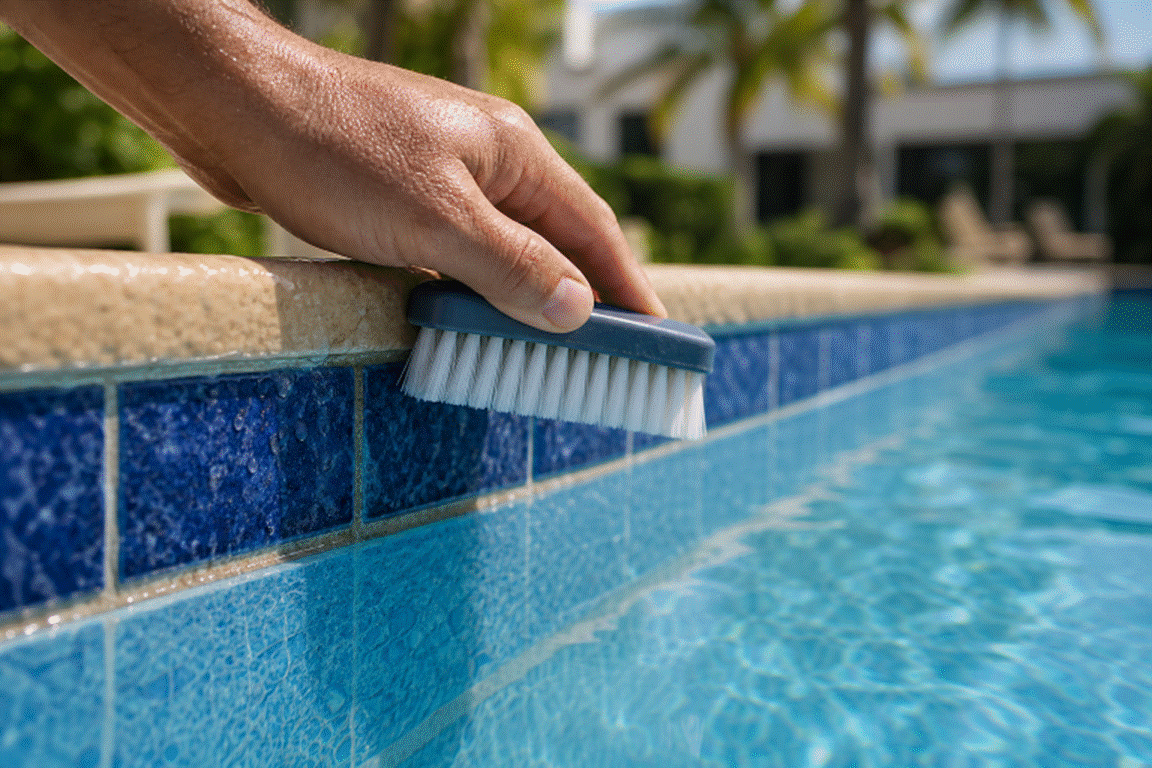
- Brush walls, steps, corners, ladders, and the waterline tile.
- Test sanitizer, pH, alkalinity, and any levels specific to your pool system.
- Check filter pressure and compare it with the normal operating range for your equipment.
- Confirm that the pump, return jets, cleaner, lights, and timer operate normally.
- Record unusual readings, chemical additions, water loss, or equipment noises.
See also: Modern Home Maintenance Trends: What Today’s Homeowners Need to Know
Monthly Tasks That Can Prevent Larger Repairs
Monthly checks provide a clearer view of the parts that are easy to overlook during routine cleaning. Follow the manufacturer’s instructions for your specific equipment, particularly when cleaning or backwashing a filter.
- Inspect pump lids, O-rings, valves, unions, and visible plumbing for drips or air leaks.
- Check automatic cleaners for worn brushes, damaged tracks, full bags, or blocked hoses.
- Clean tile buildup carefully and look for loose coping, cracks, or changing surface texture.
- Monitor the water level over time, accounting for splash-out and normal evaporation.
- Inspect the deck for slippery zones, standing water, and drainage that directs runoff toward the pool.
Managing Summer Heat, Humidity, and Heavy Use
Summer brings more swimmers, more sunscreen, and more organic material into the water. These contaminants place additional demand on the sanitizer and filter. Strong sun can also reduce available sanitizer, while warm water can make algae problems appear quickly if circulation or chemistry slips.
Test after pool parties, several consecutive days of swimming, or a period of unusually hot weather. Keep baskets clear so the pump can circulate water effectively, and avoid making large chemical adjustments based on guesswork. Always follow product labels, add chemicals separately, and never mix pool chemicals together.
Rain, Runoff, and Water Chemistry
After a strong Miami rainstorm, the first priority is physical cleanup. Rain can wash dirt, leaves, pollen, and other debris into the pool, while overflow can alter chemical readings. Remove visible debris, empty baskets, restore normal circulation, and then retest before deciding what needs adjustment.
- Do not add chemicals before removing leaves and debris.
- Check for cloudy water, foam, a green tint, or unusual odors.
- Inspect the filter and baskets for blockage after runoff or high winds.
- Look around the deck and nearby drains for standing water or poor drainage.
- Retest the water before swimmers return.
Storm Preparation Before Hurricane Season
Hurricane season requires a plan that goes beyond normal maintenance. Miami-Dade identifies hurricane season as June 1 through November 30.
- Remove patio furniture, umbrellas, toys, planters, and lightweight decorations.
- Trim weak branches near the pool, screen enclosure, and equipment pad.
- Photograph the pool area and equipment for household records.
- Store chemicals upright in a dry, secure, and well-ventilated location, away from floodwater.
- Keep testing supplies, a skimmer net, and replacement baskets available.
- Follow official emergency directions and do not enter unsafe outdoor areas during severe weather.
What to Do After a Storm
Do not rush into cleanup if the property has hazards. Stay clear of downed lines, damaged structures, standing water near electrical equipment, and broken glass. Once the area is safe, remove branches and floating debris, inspect the pump and filter, and restore circulation only when electrical components are dry and safe. Test the water before swimming. If the pool remains cloudy, green, or difficult to balance after cleanup, arrange a professional inspection.
Saltwater Pools, Spas, and Inground Systems
Saltwater pools are not maintenance-free. Their chlorine-generating systems still require water testing, cell inspection, circulation, brushing, and filter care. Spas may need closer monitoring because their smaller water volume and warmer temperatures can change chemistry quickly. In-ground pools also benefit from regular checks of lights, drains, tile, surfaces, and equipment connections.
When to Call a Pool Professional
Normal care can handle routine debris and minor water adjustments, but certain issues deserve professional evaluation. Call for help when a pump repeatedly loses prime, breakers trip, water levels drop quickly, filters clog unusually fast, stains return after cleaning, or water chemistry shifts without a clear explanation. Electrical issues, damaged plumbing, and suspected leaks should not be treated as do-it-yourself projects.
Build a Routine That Fits Miami
Reliable pool care comes from consistency, not occasional chemical fixes. A short weekly checklist, a monthly equipment review, and a clear storm plan can help Miami pool owners keep water cleaner and equipment more dependable throughout 2026. Adjust the routine based on weather, pool use, system type, and equipment condition, and address minor warning signs before they become major interruptions.