Hidden Water Leaks: Early Warning Signs That Help Protect Your Katy, Texas Home
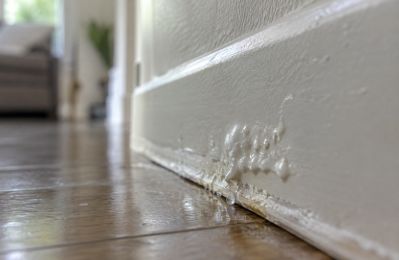
In Katy, Texas, a hidden water leak can begin with a minor clue, such as a damp baseboard, a higher bill, or a faint hissing sound after the house has been quiet for a while. Because many area homes use concrete slab foundations, moisture beneath flooring or behind finished walls can be difficult to trace without a careful process.
Paying attention early can help limit water waste and damage to flooring, cabinets, drywall, and belongings. If several warning signs appear at once, professional slab leak detection and repair in Katy Texas, can help identify whether the issue is in a supply line, drain line, fixture, or another part of the home. Early attention can also make it easier to address the problem before damage becomes more extensive.
Why Hidden Leaks Matter
Water does not always appear directly below the failed pipe. It may travel along framing, behind cabinets, beneath flooring, or through gaps in a slab before becoming visible somewhere else. Even a slow leak can continue unnoticed for days or weeks. The EPA notes that household leaks can waste nearly 1 trillion gallons of water annually nationwide, which makes prompt detection valuable for both the home and the water bill.
A visible stain or warped floor is not automatic proof of a plumbing leak. Roof leaks, appliance overflows, condensation, poor drainage, and humidity can also create moisture problems. The goal is to recognize the pattern, then confirm the actual source before opening a wall or floor.
Early Warning Signs to Watch For
Hidden leaks often create small, recurring clues rather than a dramatic flood. Watch for the following changes around your Katy home:
- A water bill that rises even though household routines have not changed.
- The sound of running, dripping, or hissing water when all fixtures are off.
- Damp carpet, cupped flooring, soft baseboards, peeling paint, or bubbling drywall.
- Musty odors in closets, bathrooms, hallways, or rooms that normally stay dry.
- A sudden drop in water pressure at multiple fixtures.
- Warm patches on tile or concrete, especially near a possible hot-water line.
- New cracks in grout, flooring, or walls.
- Mold or mildew appears in places without an obvious source of surface water.
One sign alone may have a simple explanation. Several signs occurring together, particularly a moving water meter and unexplained moisture, deserve faster attention.
See also: Lifeguard Gear Essentials: What You Need for the New Lifeguarding Season
How to Check Your Water Meter
A meter check is a useful first screening step and does not require plumbing tools. First, make sure no one will use water during the test.
- Turn off faucets inside and outside the home.
- Pause water-using appliances, including dishwashers, washing machines, ice makers, and irrigation.
- Wait a few minutes for normal water use to stop completely.
- Look at the meter dial or leak indicator, if your meter has one.
- Take a photo, wait 30 to 60 minutes without using water, then compare the reading.
If the indicator or reading changes, water may be moving somewhere in the system. Check toilets, outdoor spigots, irrigation components, water-heater connections, and visible supply hoses before assuming the problem is below the slab.
Clues That Point to a Leak Beneath the Floor
A slab leak is a leak in plumbing lines located beneath or within a concrete foundation. It is one possible reason for hidden water loss in a slab-on-grade home, but it should be confirmed through testing rather than guessed from a crack alone. Common warning signs include:
- Warm or damp flooring in a concentrated area.
- Water is collecting along the edge of the foundation, garage, or exterior wall.
- Floor materials that lift, buckle, loosen, or feel damp.
- Reduced pressure throughout more than one part of the home.
- Water sounds that seem to come from below the floor.
- Persistent dampness or odors along baseboards.
Floor and wall cracks can result from several causes, including normal material movement and settling. A professional evaluation helps distinguish a plumbing issue from a structural, drainage, or surface-moisture concern.
Safe First Steps for Homeowners
When moisture is actively spreading, focus first on safety and limiting further damage.
- Close the nearest fixture shutoff valve if the leak is visible and accessible.
- Turn off the home’s main water supply if water continues to flow.
- Keep electronics, power strips, and appliances away from wet areas.
- Move rugs, furniture, boxes, and other absorbent items away from moisture.
- Photograph stains, wet materials, meter readings, and visible water.
- Avoid cutting into walls or floors without knowing where electrical wiring and plumbing are located.
Do not enter standing water near outlets, electrical panels, or plugged-in appliances. If there is a possible electrical hazard, keep clear of the area and seek qualified help.
How Professionals Find Hidden Leaks
Leak detection typically starts with a discussion of the symptoms, a visual inspection, and tests that narrow down the plumbing system involved. Depending on access and the suspected source, professionals may use acoustic equipment to listen for pressurized water, thermal imaging to identify temperature differences, moisture meters to measure dampness, pressure testing of supply lines, or cameras to inspect accessible drains and sewer lines.
Accurate diagnosis matters because it can reduce unnecessary demolition. It also helps determine whether the moisture is related to plumbing, a roof issue, an appliance connection, condensation, or outdoor drainage.
Common Repair Paths
The right repair depends on pipe material, location, accessibility, the condition of nearby lines, and the extent of water damage. Common approaches include:
- Localized repair: Replacing a limited damaged pipe section when the rest of the system is sound.
- Pipe rerouting: Installing a new route around a difficult-to-access section.
- Pipe lining: Sealing certain internal pipe defects when the pipe and situation are suitable for that method.
- Direct access and replacement: Opening the necessary area to replace the line when that is the most dependable option.
- Repiping: Replacing larger sections of aging plumbing when repeated failures make isolated repairs impractical.
Before approving work, ask for a written explanation of the suspected cause, repair method, expected access points, testing process, and surface restoration needs.
Ways to Reduce Future Leak Risk
- Review water bills monthly for unexpected changes.
- Test toilets for silent leaks by adding food coloring to the tank and checking whether the color reaches the bowl without flushing.
- Inspect hoses beneath sinks and behind washing machines for corrosion, bulging, or moisture.
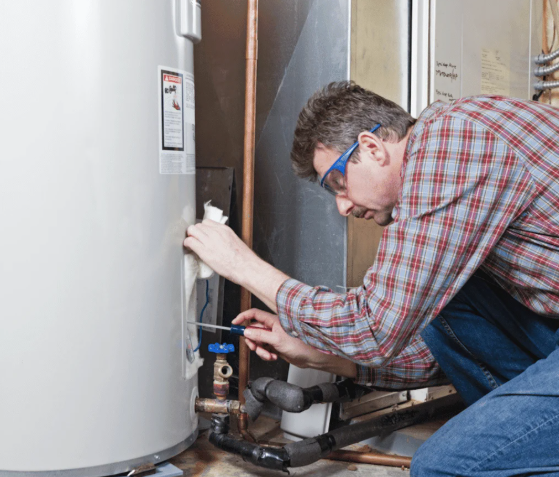
- Check water-heater connections for drips, rust, or mineral buildup.
- Inspect outdoor faucets, hoses, and irrigation zones regularly.
- Keep gutters and downspouts moving rainwater away from the foundation.
- Arrange a plumbing inspection after repeated leaks or when buying an older home.
When to Call for Help
Seek prompt plumbing help if the main shutoff does not stop the flow, water is spreading across walls or ceilings, a ceiling is bulging, several fixtures lose pressure, the meter moves with all water off, or moisture is suspected beneath concrete or inside a finished wall. Moldy and sewage odors, as well as water near electrical equipment, also require urgent attention.
Keep photos, meter readings, invoices, and repair notes in one place. Clear documentation can help track recurring issues and support conversations with an insurance carrier, subject to the policy’s terms.
Conclusion
Hidden water leaks can cause significant damage when warning signs are overlooked. Monitoring water use, checking for unusual moisture, and responding to changes early can help limit problems. When the source is difficult to locate or water damage continues, professional leak detection can provide a clearer diagnosis and guide appropriate repairs.