Why Your BBQ Is Probably Ageing Faster Than It Should Be
The Damage That Happens Between Cooks
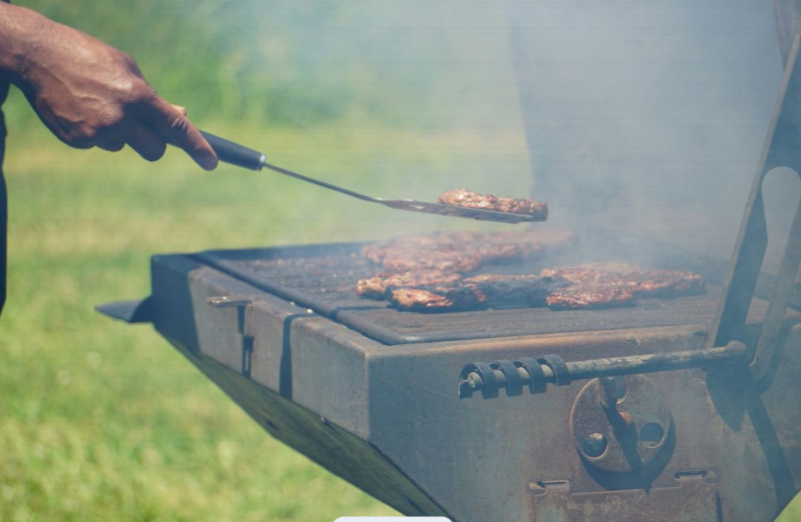
Most BBQ owners think about their equipment when they’re using it, and not much the rest of the time. The cover goes on, or doesn’t, and the BBQ sits outside until the next time someone wants to cook. What’s easy to miss is that the periods between uses are when the most cumulative damage tends to happen, quietly and consistently, in ways that only become obvious once a component fails or the performance starts to drop noticeably.
A BBQ that looks fine on the outside can be deteriorating internally in ways that shorten its useful life by years. And the difference between a BBQ that lasts a decade and one that needs replacing after four or five years is often less about the quality of the original purchase and more about how well it was protected between uses.
What Outdoor Conditions Actually Do to a BBQ
The range of conditions an outdoor BBQ is exposed to between uses is more damaging than most people stop to consider, and each element attacks different components in different ways.
UV exposure is the most consistent and least dramatic source of damage. Sunlight breaks down the surface finishes on BBQ exteriors gradually, fading colour, degrading protective coatings, and making the material beneath more vulnerable to moisture. The process is slow enough that it’s easy to dismiss as normal wear, but the rate of degradation on an uncovered BBQ is significantly faster than on one that’s shielded from direct sun between uses.
Rain and moisture work their way into every gap and joint in an unprotected BBQ, accelerating rust on metal components and creating the damp conditions that mould thrives in. Even a BBQ that appears sealed can allow moisture to penetrate around burner connections, in the drip tray, and under the lid, where it sits and causes corrosion that isn’t visible until the component fails. In humid climates, moisture doesn’t even need rain to cause damage. High ambient humidity between uses is enough to create rust on unprotected metal surfaces over time.
Temperature variation is the third factor, and it’s often the least considered. Metal expands in heat and contracts in cold, and the repeated cycling of this process weakens joints, loosens fittings, and stresses components that were designed to handle cooking temperatures but weren’t designed to handle constant expansion and contraction from environmental temperature changes across seasons.
The Hidden Cost of Not Protecting Your BBQ
The financial case for protecting a BBQ is more straightforward than most people calculate before they decide a cover isn’t worth the expense.
A quality outdoor BBQ represents a meaningful purchase for most households, and replacing it years earlier than its potential lifespan required is a real cost that doesn’t get attributed to the decision not to cover it. The connection is too indirect, too spread out over time, to feel like a consequence of a specific choice. But the trajectory is consistent: an unprotected BBQ deteriorates faster, requires more maintenance, delivers worse cooking performance, and needs replacing sooner than one that’s been properly looked after.
Repair costs add up in the interim. Burner replacements, rust treatment, and the replacement of components that have corroded through direct exposure are all costs that a bbq cover reduces or eliminates by preventing the moisture and UV exposure that cause the damage in the first place. These aren’t hypothetical savings. They’re the actual costs that owners of unprotected BBQs regularly encounter, usually at the point where the damage is already established and the repair is no longer optional.
What to Look for in a BBQ Cover
Not all BBQ covers provide the same level of protection, and a cover that’s made from inadequate materials or poorly constructed can create problems rather than preventing them.
Waterproofing is the most important material property. A cover that’s water resistant rather than genuinely waterproof will allow moisture through during sustained rain, which defeats the primary purpose. Covers made from solution-dyed polyester with a waterproof PU coating provide genuine protection rather than just slowing the rate of water penetration.
Breathability is the counterpart to waterproofing that’s often overlooked. A cover that keeps moisture out but traps condensation inside creates a humid environment under the cover that can cause its own set of problems, including mould and corrosion. Quality covers allow moisture vapour to escape while keeping rain and external moisture out, which keeps the BBQ dry in both directions.
Construction quality determines how well the cover holds up and stays in place. Double-stitched seams prevent the seams from opening under the stress of wind. Securing ties keep the cover from lifting in strong wind conditions that would otherwise expose the BBQ to exactly the rain and debris the cover is meant to protect against. Folded seams at the edges reduce the risk of fraying over time.
UV resistance in the cover material itself matters for the cover’s longevity as much as for the protection it provides. A cover that degrades under sun exposure will need replacing sooner, and a degrading cover provides progressively less protection as its material breaks down.
Getting the Right Fit
A cover that doesn’t fit properly doesn’t protect properly, and the variety of BBQ styles and configurations means that fit is worth thinking about carefully rather than defaulting to a generic size.
Flat top BBQs, gas BBQs with side shelves, built-in BBQs, and kamado or egg-style BBQs all have different profiles that require different cover shapes to fit correctly. A cover that’s too large pools at the sides and traps moisture in the folds. One that’s too small doesn’t reach the lower sections of the BBQ and leaves exposed areas that defeat the purpose of covering the rest.
Ready-made covers in a range of sizes cover the most common BBQ configurations and dimensions, and checking the dimensions of the specific BBQ against the cover’s sizing guide before purchasing is worth the few minutes it takes. For BBQs with unusual dimensions, built-in configurations, or outdoor kitchen setups that don’t match standard sizes, custom covers are available that are made to the specific measurements of the setup being covered.
Why This Is One of the Better Small Investments You Can Make
The return on a quality BBQ cover is straightforward to calculate. The cover costs a fraction of what the BBQ cost. It extends the time before the BBQ needs replacing. It reduces the maintenance and repair costs in the interim. And it keeps the BBQ performing at its best for longer, which is the point of having one.
The alternative, leaving the BBQ uncovered and replacing it years earlier than necessary, is the more expensive option disguised as the cheaper one. The cost just arrives gradually and gets attributed to bad luck or the passage of time rather than to a specific decision that was made at the outset. A good cover makes the better financial decision also the easier one.