Why Businesses Turn To Cp As For Payroll Oversight
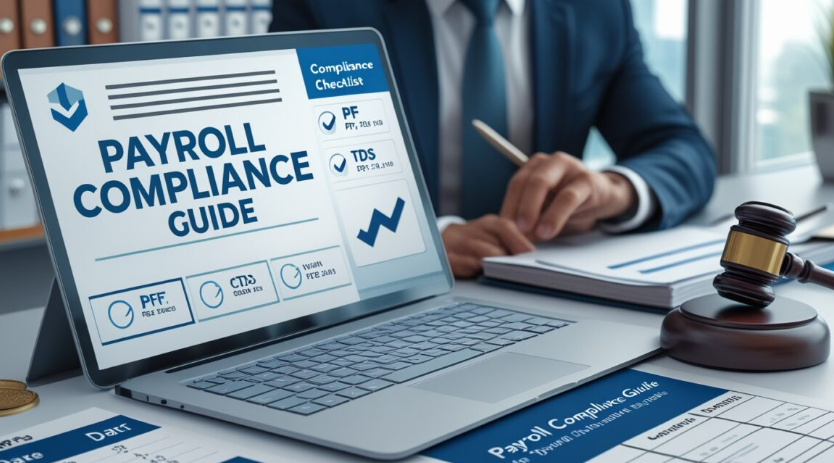
You may have started payroll thinking it would be routine. Hours go in, checks go out, taxes get withheld, records get filed. Then real life shows up. An employee works overtime you did not expect. A contractor starts looking more like an employee. A tax notice lands in your mailbox and suddenly one missed detail feels much bigger than it did on payday. That is when many businesses turn to CPA services in Lexington.
That is usually the point when business owners stop seeing payroll as admin work and start seeing it for what it is. Payroll is compliance, cash flow, recordkeeping, and risk management all rolled into one. That is why businesses turn to CPAs for payroll oversight. They want fewer errors, cleaner records, and someone who understands what happens when payroll touches taxes, labor rules, and reporting deadlines at the same time.
Payroll mistakes create pressure far beyond payday
Payroll errors rarely stay small. A missed withholding can affect payroll tax deposits. A late filing can trigger penalties. An overtime mistake can lead to wage disputes. Weak recordkeeping can leave you scrambling if an agency asks for support months later. You are not just paying people. You are creating a paper trail that has to hold up under review.
The IRS expects employers to handle withholding, deposits, and reporting under rules outlined in IRS Publication 15. It also expects businesses to maintain solid payroll records, and its guidance on employment tax recordkeeping makes clear that poor documentation can become its own problem. The Department of Labor adds another layer with wage and hour records, including hours worked and pay data, as explained in its recordkeeping requirements.
You can feel the weight of that even if your team is small. One person handles onboarding, another approves time, and you are the one trying to make sense of tax deposits, benefit deductions, and year end forms. If one step breaks, the whole system gets shaky.
Certified public accountant payroll oversight brings structure to messy systems
A Certified Public Accountant does more than process numbers. Good payroll oversight means reviewing how wages are classified, checking whether tax filings match payroll reports, confirming that deductions are handled correctly, and spotting patterns that can lead to trouble later. That is the difference between simply running payroll and actually controlling it.
Think about a common example. An employee receives a bonus, works overtime in the same pay period, and has pre tax benefit deductions. If payroll software is set up poorly, the result can be wrong withholding, incorrect employer tax calculations, or a mismatch between payroll reports and the general ledger. The mistake may not be obvious until quarter end or year end, when fixing it becomes slower, more expensive, and more stressful.
This is where payroll oversight by a CPA matters. A CPA can connect the payroll process to the larger financial picture. They see how payroll affects cash flow, financial statements, tax exposure, and audit readiness. That broader view is what many owners need when they are tired of reacting to mistakes after they happen.
DIY payroll often works until growth exposes the weak spots
Many businesses start with do it yourself payroll because it seems manageable. In the beginning, it often is. A handful of employees, one pay schedule, basic deductions. Then the business grows. New hires come in with different pay rates. Paid time off policies become less informal. State and federal obligations stack up. Multi state work, reimbursements, retirement contributions, and fringe benefits all make payroll less forgiving.
The hard part is that payroll can look fine on the surface while problems build underneath. Maybe deposits are made on time, but employee classifications are off. Maybe wages are paid correctly, but records are incomplete. Maybe quarter end forms were filed, but the totals do not reconcile cleanly. Those are the kinds of issues a CPA is trained to catch before they become notices, penalties, or employee complaints.
DIY payroll and CPA payroll oversight differ in risk, control, and time
| Area | DIY Payroll | CPA Payroll Oversight |
| Tax compliance | Often depends on software settings and owner review | Includes review of filings, deposits, and payroll tax treatment |
| Recordkeeping | Can become scattered across systems and emails | Built around required documentation and retention practices |
| Error detection | Mistakes may surface only after notices or employee questions | Errors are more likely to be caught during regular review |
| Time burden | Owner or staff must monitor updates, deadlines, and reconciliations | Frees internal time for operations and staffing |
| Growth readiness | Strains as headcount, benefits, and pay complexity increase | Scales with stronger controls and clearer processes |
The point is not that software has no value. It does. Most businesses use it. The issue is oversight. Software can process what you enter. It cannot judge whether your setup reflects tax rules, wage laws, or clean accounting. That is why many owners eventually seek payroll oversight from a CPA instead of relying on tools alone.
See also: 7 Strategies for Predictable Online Business Growth
Three steps you can take right now to reduce payroll risk
Review your payroll records against actual practice. Compare job classifications, pay rates, overtime handling, bonuses, reimbursements, and deductions to what is happening in real life. If your records say one thing and your daily operations say another, fix the mismatch first.
Reconcile payroll to tax filings and your books. Match payroll reports to quarterly filings, wage totals, and the general ledger. If numbers do not tie out cleanly, do not assume it will sort itself out later. Small differences often point to setup issues or reporting errors.
Get a CPA to perform a payroll oversight review. You do not need to wait for a crisis. A focused review can reveal weak controls, filing gaps, and recordkeeping problems before they become expensive. This is often the fastest way to move from uncertainty to a process you can trust.
Better payroll oversight gives you room to run the business
Payroll stress wears people down because it repeats. Every pay period brings another chance for something to go wrong, and the cost of being wrong is not just financial. It affects trust, time, and your ability to focus on the work that actually grows the business.
A Certified Public Accountant helps bring order to that cycle. Clear records, accurate filings, and regular review make payroll less reactive and more stable. If payroll has started to feel heavier than it should, this is a good time to get support from a qualified CPA and put a stronger system in place.