The Vision Habits Worth Keeping Even If You See 20/20
Seeing the bottom line of an eye chart can feel like getting a clean bill of health for your eyes. If everything looks sharp, what else is there to worry about?
Quite a bit, actually. Visual acuity is only one part of eye health. You can have 20/20 vision and still experience dry eye, eye strain, or other problems that aren’t captured by a standard vision chart. Some eye diseases can also develop before they noticeably affect vision.
Seeing clearly is a good thing. But it’s not a reason to stop taking care of your eyes.
Keep Getting Your Eyes Checked
People who wear glasses or contacts have a built-in reminder to visit an eye doctor: eventually, they want to know whether their prescription has changed. People who see well without correction don’t always have that prompt.
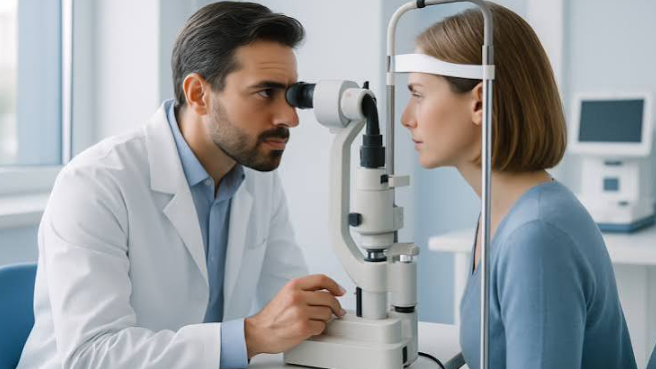
Routine comprehensive eye exams can evaluate much more than visual acuity. Depending on the exam, an eye doctor may assess eye pressure, the retina, optic nerve, cornea, and other structures that don’t tell you something is wrong simply by making the world look blurry.
The National Eye Institute notes that regular dilated eye exams can help detect certain eye diseases early, when they may be easier to treat. How often you need an exam depends on factors including age, medical history, and risk for eye disease, so your eye doctor can recommend an appropriate schedule.
Don’t Retire the Sunglasses
Sunglasses aren’t only about comfort on a bright afternoon. Ultraviolet radiation can damage the eyes over time. The American Academy of Ophthalmology recommends choosing sunglasses that block 99% to 100% of both UVA and UVB radiation.
That protection matters even if your distance vision is excellent. UV exposure and refractive error are separate issues; being able to see clearly doesn’t make the structures of the eye immune to sunlight.
A wide-brimmed hat can provide additional protection, particularly when you’re spending extended time outdoors.
See also: Lifeguard Gear Essentials: What You Need for the New Lifeguarding Season
Give Screen-Focused Eyes a Change of Scenery
Computers and phones have changed how much of the day many people spend focusing at close range.
One issue is blinking. People tend to blink less while concentrating on screens, which can contribute to dry, irritated, or tired-feeling eyes. Extended near work can also leave the visual system feeling fatigued even when there’s nothing wrong with your distance acuity.
Simple changes can help. Look away from the screen periodically, blink intentionally when your eyes feel dry, position the monitor comfortably, and take opportunities to focus on objects farther away.
You don’t need to treat screens as dangerous. Your eyes simply benefit from doing something other than staring at the same distance for hours at a time.
Treat Contact Lenses Like Medical Devices
Being able to see perfectly through contact lenses doesn’t mean anything goes. Contacts sit directly on the eye, which makes hygiene important. The FDA advises following the prescribed wearing and replacement schedule, cleaning and storing reusable lenses correctly, and avoiding exposing lenses to water.
That means no rinsing contacts with tap water and no swimming or showering in them unless your eye care professional has specifically advised otherwise.
Good contact-lens habits aren’t about keeping your prescription stable. They’re about protecting the surface of the eye from irritation, infection, and other complications.
Wear Protection When Your Eyes Are Actually at Risk
Prescription glasses and sunglasses aren’t substitutes for safety eyewear. Home improvement projects, yard work, certain sports and jobs involving tools, chemicals, or flying debris can all create risks for otherwise healthy eyes. Proper protective eyewear can prevent an ordinary afternoon project from becoming an emergency visit.
This is one of those habits that’s easy to dismiss because most of the time nothing happens. Eye protection matters for the one time something does.
Put Eye Health Before Vision Correction
The same principle applies if you’re interested in reducing your dependence on glasses or contacts.
Laser vision correction, otherwise known as LASIK, isn’t simply a matter of having a particular prescription. A proper evaluation also considers corneal measurements, prescription stability, overall eye health, and other factors that can affect whether someone is an appropriate candidate.
And the healthy habits don’t disappear afterward. People who no longer need glasses or contacts still need routine eye care, UV protection, and appropriate safety eyewear.
Pay Attention When Something Changes
Perhaps the most important habit is simply knowing what’s normal for your own vision.
Gradual changes may be easy to ignore, but sudden changes deserve particular attention. New flashes of light, a sudden increase in floaters, a curtain or shadow across the field of vision, sudden vision loss, significant eye pain or other abrupt symptoms can require prompt medical evaluation.
Clear vision shouldn’t make anyone complacent about a noticeable change. After all, 20/20 describes something your eyes can do. It doesn’t tell you everything about how healthy they are. The habits that protect your vision are worth keeping, no matter how small you can read the letters on the chart.