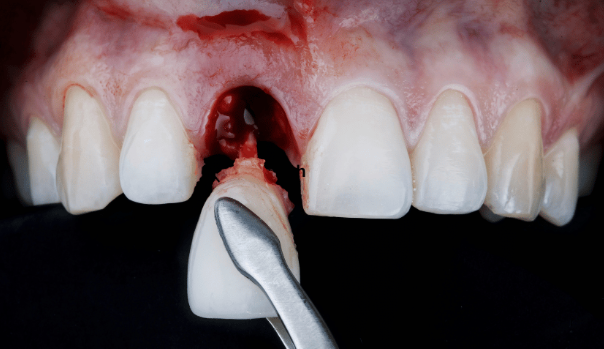
The Role Of Family Dentistry In Preventing Small Problems From Becoming Emergencies
It usually starts small. A little tooth sensitivity when you drink something cold, a spot on your child’s tooth that did not used to be there, gums that bleed when you brush, a filling that feels a bit off. Life is busy, and finding time to visit a dental office in Morrisville, NC, can feel like one more thing on the list, so the discomfort comes and goes, and it is easy to tell yourself you will deal with it later. Then later turns into a weekend toothache, a swollen gum, or a broken tooth that suddenly cannot wait.
That is where family dental care makes a real difference. Regular visits do more than keep teeth clean. They catch decay early, track changes over time, and help you avoid the kind of pain, cost, and disruption that come with urgent dental problems. The role of family dentistry in preventing small problems from becoming emergencies is simple. It turns quiet warning signs into treatable issues before they become crises.
Family dentistry helps stop slow problems from turning into urgent care
Most dental emergencies are not truly sudden. They build quietly. A small cavity can deepen until it reaches the nerve. Mild gingivitis can progress into gum disease. Teeth weakened by grinding or old fillings can crack when you bite into something ordinary. According to the CDC, cavities and tooth decay remain one of the most common oral health problems, and untreated decay does not stay minor for long.
A family dentist sees patterns that are easy to miss at home. That matters when one household may have very different needs. A young child may need sealants and fluoride. A teen may need help with sports mouthguards or wisdom tooth monitoring. An adult may be dealing with clenching, recession, or old dental work that is starting to fail. An older adult may have dry mouth, root decay, or trouble cleaning around crowns and bridges.
This continuity is one of the strongest parts of preventive family dentistry. Your dentist is not looking at a single painful tooth in isolation. They are watching your oral health over time, which makes small changes easier to catch and easier to fix.
Delaying dental care often costs more than people expect
You may already know something feels off, but it does not seem serious enough to miss work, rearrange school pickup, or spend money on an appointment. That hesitation is common. Dental issues can feel easy to postpone because many of them are not constant at first. Pain fades. Swelling settles down. A chipped tooth does not always hurt right away.
The problem is that teeth do not heal the way a scraped knee does. Once decay starts, it needs treatment. Once a crack forms, it can spread. Once gum disease takes hold, bone loss can follow. A family dentist can often manage these issues with a filling, a night guard, a deep cleaning, or a simple repair when they are found early. Wait too long, and the same issue may require a root canal, extraction, crown, or emergency visit.
The financial side hits hard too. Preventive care is usually far less expensive than urgent treatment. The emotional cost matters just as much. Dental pain can affect sleep, eating, work, school, and your ability to focus. When a child wakes up crying with a toothache or you are trying to get through a meeting with throbbing pain, the problem is no longer small.
Daily oral hygiene and regular checkups work together
Home care is the foundation, but it is not the whole system. Brushing with fluoride toothpaste, flossing, and limiting frequent sugar exposure lower your risk every day. The CDC shares practical oral health tips for adults that support healthier teeth and gums, and the National Institute of Dental and Craniofacial Research offers clear guidance on oral hygiene.
Even strong habits at home cannot remove tartar, check the fit of old fillings, or spot decay between teeth without imaging. That is why routine care and home care need each other. One handles daily prevention. The other catches what daily brushing cannot.
Small dental issues and emergency outcomes often follow a predictable path
| Small Problem | What Often Happens If Delayed | Early Family Dentist Response |
| Mild tooth sensitivity | Deeper decay, nerve irritation, severe pain | Exam, X-rays, fluoride treatment or small filling |
| Bleeding gums | Gum disease, bone loss, loose teeth | Professional cleaning, home care changes, periodontal evaluation |
| Small chip or worn edge | Crack growth, sharp pain, broken tooth | Smoothing, bonding, bite check, night guard if needed |
| Loose or aging filling | Bacteria under filling, fracture, infection | Repair or replacement before deeper damage develops |
| Occasional jaw soreness | Grinding damage, headaches, cracked teeth | Bite assessment, guard, habit review |
Family dentistry gives you practical ways to stay ahead of emergencies
Schedule routine visits before pain forces the issue. If no one in your household has been seen in a while, start there. Regular exams create a baseline, and that baseline helps your dentist notice changes early. This is one of the clearest benefits of family dentistry for emergency prevention.
Pay attention to small changes and act on them fast. Sensitivity, bleeding, bad breath that lingers, a rough tooth edge, food getting trapped in one spot, or a child avoiding chewing on one side all deserve attention. None of these signs guarantee an emergency, but they are often the early version of one.
Make prevention part of your household routine. Replace worn toothbrushes, keep fluoride toothpaste where everyone will use it, limit constant snacking on sugary foods and drinks, and ask your family dentist about sealants, fluoride treatments, and mouthguards. The right routine lowers risk between visits and supports the work done in the office.
Preventive dental care protects comfort, time, and peace of mind
Most people do not ignore dental problems because they do not care. They delay because life is full, money is tight, or the issue does not seem urgent yet. That is exactly why a steady relationship with a family dentist matters. It reduces guesswork, catches trouble earlier, and helps your household avoid painful surprises.
A small problem does not have to become a dental emergency. Regular care, quick attention to changes, and a prevention focused approach give you a better chance of keeping treatment simple and stress lower. If something has been bothering you, even a little, make the appointment and get it checked.