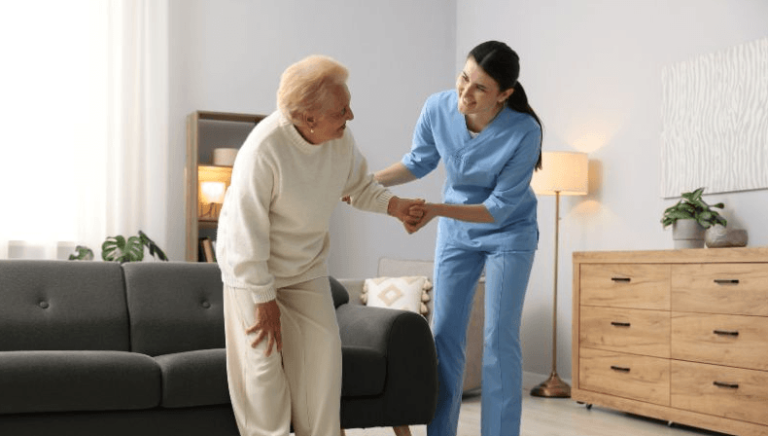
The Legal Rights Of Nursing Home Residents In Albany Georgia

Understanding the legal protections available to nursing home residents is essential for ensuring their safety, dignity, and well-being. Families want reassurance that their loved ones are protected under the law and know what steps to take if that trust is violated. When challenges arise, consulting an Albany elder abuse attorney Georgia can make the difference between continued suffering and restored dignity for residents.
Nursing home residents in Albany, Georgia, are protected by both federal and state laws designed to guarantee their fundamental rights. Familiarity with these rights empowers residents and their families to identify potential violations early, navigate complaints, and hold facilities accountable. By learning more about the legal landscape, families can feel more confident advocating on behalf of their loved ones.
Violations of residents’ rights can take many forms, from medical neglect to social isolation and unsafe living conditions. Recent high-profile cases across Georgia highlight the risks when the system fails. Knowing the specific legal avenues available helps ensure that those entrusted with care are held accountable for upholding residents’ rights.
Below is a comprehensive overview of the legal rights nursing home residents have in Albany, including tips for prevention, recognizing neglect, and accessing legal recourse.
Overview of Resident Rights in Georgia
Residents of nursing homes in Albany are protected by the federal Nursing Home Reform Act (part of the Omnibus Budget Reconciliation Act of 1987) and the Georgia Bill of Rights for Residents of Long-Term Care Facilities. These laws safeguard a resident’s right to dignity, privacy, quality care, and freedom from abuse or neglect. Facilities must provide written notice of these rights on admission and make them easily accessible at all times.
Key guarantees include freedom from discrimination, the right to participate in decisions about care, access to personal medical information, and the right to privacy within their living environment. These standards create the foundation for elevating the quality of life in care facilities.
Key Legal Protections for Nursing Home Residents
- Right to Quality Care: Residents have the right to receive appropriate health care, nutrition, and hygiene. This protection covers monitoring medication, managing chronic health conditions, and ensuring daily needs are met.
- Freedom from Abuse and Neglect: Both physical and emotional abuse, along with any form of neglect, are strictly prohibited.
- Personal Autonomy and Privacy: Residents have the right to maintain relationships, participate in social activities, and enjoy privacy in correspondence and personal care.
- Complaint and Grievance Process: The law provides a clear process for residents to report concerns without fear of retaliation. Facilities must investigate and address complaints promptly.
- Transfer and Discharge Rights: Facilities can only transfer or discharge residents under specific circumstances, such as medical necessity or nonpayment, and are obligated to provide adequate notice and relocation assistance.
Recognizing Violations of Residents’ Rights
Some common indicators of rights violations include unexplained injuries, lack of medical attention, wrongful confinement or social isolation, and disrespect for personal property. Facilities may also fail to communicate care plans or to involve residents in medical decisions. Sudden changes in a loved one’s demeanor or unexplained fearfulness can also be red flags that their rights are being disregarded.
Steps to Take if Rights Are Violated
- Document Everything: Maintain detailed records, including photographs of injuries, emails to staff, and written accounts of concerning incidents.
- Raise Concerns Directly: Speak with nursing home management to allow them the chance to address or correct the problem.
- Contact Authorities: If the issue persists or is severe, contact Georgia’s Long-Term Care Ombudsman or Adult Protective Services.
- Seek Legal Guidance: Working with a qualified attorney ensures a thorough investigation and support for claims of mistreatment.
If you feel a situation is dangerous, call 911 immediately to ensure the resident’s immediate health and safety.
Proactive Measures and Prevention
- Regular Visits: Ongoing contact helps deter potential mistreatment and encourages staff accountability.
- Review Care Plans Frequently: Engage in regular discussions with staff about care plans and ensure all agreed-upon services are delivered as intended.
- Know the Staff and Facility: Building relationships with caregivers can lead to better communication and higher standards of care.
- Educate Loved Ones: Residents who are informed about their rights are more likely to report concerns early.
The AARP Nursing Home Guide offers helpful tips for ongoing engagement and advocacy.
See also: The Impact of Mental Health on Teen Relationships
Legal Recourse and Reporting Violations
Georgia law offers several avenues for reporting mistreatment. Complaints can be submitted to the Georgia Department of Community Health, the state Long-Term Care Ombudsman, or Adult Protective Services. These agencies are authorized to investigate claims, enforce corrective measures, and pursue civil penalties for confirmed violations.
In cases where neglect or abuse results in significant harm, families may also pursue civil action against the nursing home, seeking compensation for damages and punitive measures to deter future violations. An attorney with experience in elder law can offer vital support in these situations.
Conclusion
Nursing home residents in Albany, Georgia, should never have to sacrifice dignity or comfort due to neglect or a lack of legal awareness. By understanding crucial rights and remaining proactive, families can play a pivotal role in safeguarding senior loved ones and holding facilities accountable for the care they provide. Legal protections exist to defend residents’ dignity and quality of life, empowering families, staff, and residents themselves to work together to ensure these rights are always upheld.