Recognizing Early Signs and Making Lifestyle Changes for Peripheral Neuropathy
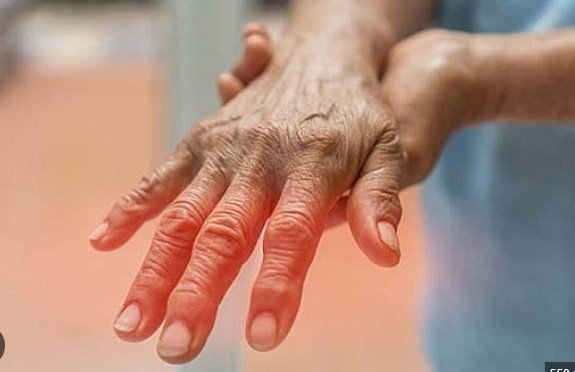
Key Takeaways
- Early detection of peripheral neuropathy symptoms is crucial for effective management.
- Lifestyle modifications, including regular exercise and a balanced diet, can alleviate symptoms.
- Proper foot care is essential, especially for individuals with diabetes.
- Consulting healthcare professionals for personalized treatment plans is recommended.
Table of Contents
- Early Signs of Peripheral Neuropathy
- Common Causes and Risk Factors
- Importance of Early Diagnosis
- Lifestyle Modifications for Symptom Management
- Dietary Considerations
- Exercise and Physical Activity
- Foot Care and Hygiene
- When to Seek Medical Advice
- Conclusion
Peripheral neuropathy is a common neurological condition caused by damage to the peripheral nerves. This often leads to symptoms such as numbness, tingling, and pain, with the hands and feet most commonly affected. Recognizing the early signs and taking steps like diet improvements, exercise, and peripheral neuropathy treatment can make a significant difference for those living with neuropathy.
Identifying symptoms as soon as they arise enables quicker intervention. Making key lifestyle modifications can ease discomfort, slow the progression of nerve damage, and help preserve daily function and mobility, ultimately improving quality of life.
Individuals at higher risk or who notice unusual sensations in their extremities should remain vigilant. Adopting healthy habits and being proactive in seeking healthcare guidance can be pivotal in managing this condition effectively.
Peripheral neuropathy management focuses not only on reducing current symptoms but also on preventing further complications. Practical strategies, such as regular foot care and control of underlying health issues, are especially important for those with diabetes or autoimmune disorders.
Early Signs of Peripheral Neuropathy
Recognizing the first signs of peripheral neuropathy is fundamental for early intervention and slowing disease progression. The most common initial symptoms include persistent numbness, tingling, or a “pins and needles” feeling in the extremities. Some individuals experience sharp, jabbing, or burning pain, while others might notice increased sensitivity to touch, muscle weakness, or a gradual loss of coordination and balance. These indications usually develop slowly, intensifying as the underlying nerve damage worsens.
Paying attention to these early warnings and acting promptly can prevent complications and enhance the effectiveness of subsequent treatments.
Common Causes and Risk Factors
Numerous medical conditions and lifestyle habits can contribute to the development of peripheral neuropathy. Diabetes is the most prevalent cause, known as diabetic neuropathy, which develops due to long-term elevated blood sugar levels. Other contributing factors include chronic alcohol use, vitamin deficiencies (especially B vitamins), autoimmune disorders like rheumatoid arthritis, and exposure to specific toxins or medications used in chemotherapy. Comprehending these risks enables individuals to address preventable causes and adopt health-promoting practices.
Genetics, advancing age, and certain metabolic or infectious diseases can also increase vulnerability, making monitoring and prevention even more crucial for at-risk populations.
Importance of Early Diagnosis
Early diagnosis is vital to halting the progression of nerve damage and optimizing outcomes. Healthcare professionals typically start with a detailed patient history and physical examination, followed by blood tests to detect underlying conditions such as diabetes or vitamin deficiencies. Nerve function tests, like electromyography (EMG), can help assess the extent and type of nerve damage. Imaging studies, such as MRI or CT scans, may be used to exclude other potential causes and better guide treatment decisions.
Rapid identification and intervention enable the development of effective care strategies, thereby slowing progression and reducing symptom severity.
See also: The Impact of Mental Health on Teen Relationships
Lifestyle Modifications for Symptom Management
Adopting strategic lifestyle modifications is one of the most effective ways to manage peripheral neuropathy symptoms. Engaging in regular exercise helps maintain muscle strength and improves overall mobility. Choosing a balanced, nutrient-rich diet supports nerve health, while avoiding processed foods and limiting alcohol intake can further protect nerve function. Incorporating supportive wellness products such as magnesium oil may also help promote muscle relaxation and overall comfort as part of a healthy lifestyle. Practicing proper foot care, especially for people with diabetes, and quitting smoking to improve blood circulation are also vital components of a comprehensive management plan.
Integrating these changes into daily routines can significantly alleviate discomfort, slow nerve damage, and boost overall wellness.
Dietary Considerations
Diet plays a pivotal role in sustaining nerve function and reducing symptom severity. Integrating a variety of fruits and vegetables provides vitamins and antioxidants essential for nerve repair. Whole grains supply fiber and long-lasting energy while lean proteins support muscle maintenance. Including healthy fats from sources such as olive oil, avocados, nuts, and fish can deliver anti-inflammatory benefits. For those managing diabetes, restricting sugar intake is crucial in controlling blood glucose levels and preventing further nerve damage.
Collaborating with a registered dietitian or nutritionist may also help personalize dietary choices to best support nerve health and address any specific nutritional gaps.
Exercise and Physical Activity
Exercise is a cornerstone of peripheral neuropathy management, as it helps enhance circulation, relieve pain, and build strength. Recommended activities include walking at least 3 times per week, swimming or participating in water aerobics for low-impact movement, or incorporating gentle routines such as yoga and tai chi. These activities promote flexibility, improve balance, and foster greater well-being. However, it is important to consult a healthcare provider before beginning any exercise program to ensure activities are appropriate for your individual health status.
Consistency in physical activity often leads to noticeable improvements in mobility and a reduction in discomfort over time.
Foot Care and Hygiene
Foot care is especially important for those with diabetes or severe neuropathy. Daily inspection of the feet for cuts, sores, or signs of infection is crucial, as reduced sensation can make injuries go unnoticed. Washing feet with lukewarm water and mild soap, then thoroughly drying, helps prevent fungal infections. Moisturizing the feet keeps the skin healthy, but it should be avoided between the toes to limit moisture buildup. Wearing properly fitted shoes and soft, moisture-wicking socks reduces the risk of blisters and ulcers.
Implementing a consistent foot care routine can dramatically reduce the likelihood of serious complications, including infections and chronic wounds.
When to Seek Medical Advice
It is crucial to reach out to a healthcare professional if you suspect symptoms of peripheral neuropathy. Early consultation allows for prompt diagnosis and the creation of an individualized treatment plan. If you experience severe pain, sudden muscle weakness, or notice signs of infection such as redness or pus in your feet, seek immediate medical attention. Early medical intervention can prevent progression, avoid complications, and provide access to advanced therapies that may halt or even reverse some damage.
Conclusion
Early recognition of peripheral neuropathy symptoms allows for timely treatment and better outcomes. Lifestyle changes, including diet, exercise, and proper foot care, play a key role in managing the condition. Seeking early medical advice ensures personalized care, helps slow the progression of nerve damage, and effectively improves overall quality of life.