Laser Dentistry Advancements for Gum Disease Treatment
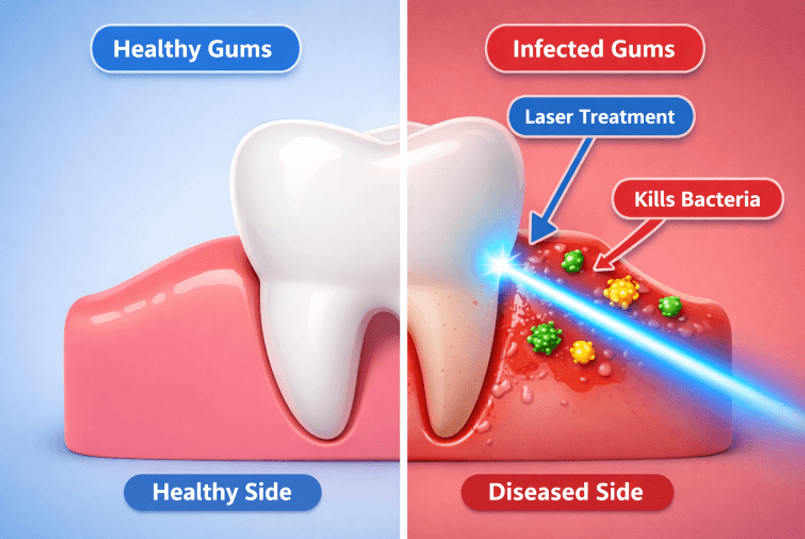
Gum disease, also known as periodontal disease, is a prevalent oral health issue that impacts millions of adults worldwide. It begins with gum inflammation and, if left untreated, can eventually cause tooth loss and serious complications. Fortunately, modern dental care has evolved to offer new solutions. Laser dentistry, particularly procedures like LANAP, is emerging as a powerful, minimally invasive option for those seeking relief from gum disease. This advancement reduces many of the challenges traditionally associated with periodontal treatment.
Traditional treatments for gum disease often come with lengthy recovery times and significant discomfort. With laser technology, patients can now expect improved comfort, preservation of healthy gum tissue, and a speedier recovery. As dental professionals increasingly adopt these innovative techniques, laser dentistry is changing the standard of care for those facing gum disease.
The adoption of laser therapies is rooted in an urgent need to better manage a disease that affects nearly half of adults aged 30 and older. By introducing targeted laser treatments, dental professionals can now treat gum disease with unparalleled precision, offering new hope for those suffering from periodontitis or gingivitis.
This article explores the latest advancements in laser dentistry for gum disease, the benefits of these modern procedures, and what patients can expect from treatment with new laser technologies.
Understanding Gum Disease
Gum disease is caused by the buildup of plaque, a sticky film of bacteria that accumulates on teeth. If plaque is not regularly removed by brushing and flossing, it hardens into tartar and causes the gums to become inflamed. Early stages, called gingivitis, are marked by redness and swelling. Left untreated, gum disease progresses into periodontitis, which can destroy bone and connective tissue, leading to tooth loss.
Risk factors include poor oral hygiene, smoking, genetic predisposition, and certain medical conditions such as diabetes. Early detection through regular dental check-ups is critical, as gum disease in its earliest stages can often be reversed.
Traditional Treatments for Gum Disease
The cornerstone of traditional periodontal therapy is scaling and root planing, a deep cleaning method designed to remove plaque and tartar from above and below the gumline. In more severe cases, surgical intervention may be necessary to reduce pocket depths and regenerate lost bone. Although effective, these treatments can be invasive, requiring local anesthesia and leading to postoperative pain, swelling, and longer recovery times. In some cases, the removal of tissue during surgery also means the loss of healthy gum, making the procedures less desirable for many patients.
Antibiotics or antimicrobial mouth rinses are sometimes prescribed as adjuncts to conventional treatments. However, concerns about antibiotic resistance and adverse effects highlight the need for equally effective alternatives but with fewer downsides.
Introduction to Laser Dentistry
Laser dentistry represents a major breakthrough in periodontal care. This technology uses concentrated beams of light to selectively remove diseased tissue and bacteria while preserving healthy gum. Unlike traditional surgery, which may require scalpels or sutures, laser procedures minimize tissue trauma. Patients can experience less bleeding, reduced infection risk, and significantly faster healing times. There are several types of dental lasers used in periodontal therapy, with the most notable being the Nd:YAG laser commonly used in the LANAP (Laser Assisted New Attachment Procedure) protocol.
Benefits of Laser Dentistry in Treating Gum Disease
- Minimally Invasive: Laser therapy targets only the diseased areas, sparing surrounding healthy tissue and reducing the need for cutting or stitches.
- Reduced Discomfort: Patients report less pain both during and after the procedure, making it an attractive alternative, especially for those with dental anxiety.
- Faster Healing: The precision of laser treatment limits swelling and supports quicker recovery compared to traditional gum surgery.
- Preservation of Healthy Tissue: Laser therapy is tissue-selective and removes only what is necessary, leading to improved long-term gum health and appearance.
These advantages are supported by research from reputable sources, which notes that laser therapy can deliver significant benefits for appropriate candidates.
See also: The Impact of Mental Health on Teen Relationships
Recent Advancements in Laser Periodontal Therapy
Laser-assisted procedures have become increasingly sophisticated in the past decade. The LANAP protocol is one of the most well-documented advancements, relying on PerioLase MVP-7 technology to stimulate new tissue attachment and bone regeneration. A 2022 study published in The International Journal of Periodontics & Restorative Dentistry found remarkable regeneration and reduced pocket depths after laser therapy, particularly in moderate to severe cases. This further supports lasers as a legitimate alternative to conventional surgery, providing similar or better outcomes without the invasive side effects.
Additional studies continue to examine laser techniques on a global scale.
Patient Experiences and Outcomes
Patients treated with laser periodontal therapy often express high satisfaction with their experiences. Many appreciate the minimal discomfort, reduced swelling, and rapid return to daily activities. Moreover, the psychological benefits of less invasive procedures lead to a more positive perception of dental care, reducing treatment-related anxiety and encouraging routine maintenance visits. The shorter recovery period and lack of stitches or dressings also appeal to patients seeking convenient and efficient dental solutions.
Dentists have observed that these patient-centered outcomes translate to better adherence to ongoing oral hygiene routines and follow-up appointments, ultimately improving long-term health outcomes for those with chronic gum disease.
Conclusion
Laser dentistry is transforming the way gum disease is managed, offering a less invasive, more comfortable, and highly effective alternative to traditional treatments. Continued innovation and robust clinical research support its growing adoption. For patients suffering from periodontal disease, these advancements signal a future where dental care is less daunting and far more accessible, improving outcomes and quality of life.