Comprehensive Guide to Building a High-Quality Pickleball Court
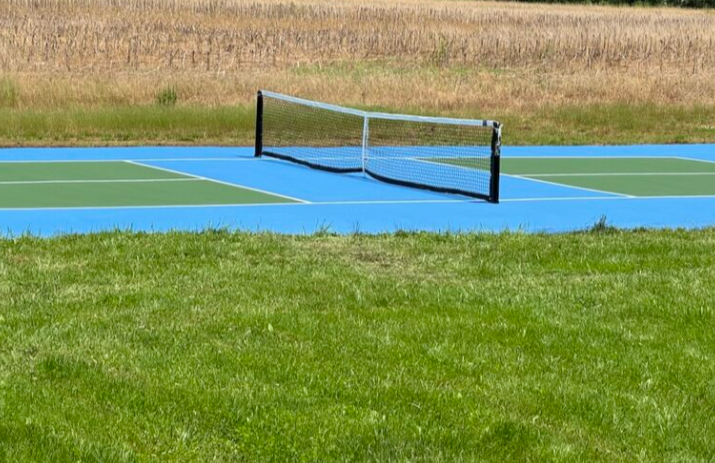
Table of Contents
- Optimal Court Dimensions and Layout
- Choosing the Right Surface Material
- Ensuring Proper Drainage
- Lighting Considerations for Enhanced Play
- Acoustic Treatments for Noise Management
- Incorporating Quality Fencing and Enclosures
- Additional Amenities and Court Accessories
- Partnering with Experienced Professionals
Pickleball has rapidly gained popularity, prompting communities and sports facilities to invest in dedicated courts. Constructing a top-tier pickleball court requires meticulous planning and attention to several critical factors. Partnering with experienced professionals like McConnell & Associates, a leader in pickleball court construction and maintenance services across the Midwest, ensures a facility that meets the highest standards of quality and durability. From site preparation and surface selection to long-term maintenance considerations, every detail matters in creating a court built for consistent performance. A professionally designed and properly maintained pickleball facility can provide players with a safe, enjoyable, and reliable space for years to come.
Optimal Court Dimensions and Layout
A standard pickleball court measures 20 feet in width and 44 feet in length. To ensure player safety and comfort, it’s advisable to have a total playing area of at least 30 feet by 60 feet. This additional space allows players to move beyond the court lines, reducing the risk of injury. Proper orientation, ideally north-south, minimizes sun glare during play.
For facilities hosting tournaments or experiencing heavy daily use, increasing the buffer zones between courts to at least 10 feet is beneficial for player comfort and for access for maintenance and emergencies. Grouping courts in banks optimizes space, with pathways for officiating and spectators. Additionally, spectator seating, benches, and shade structures improve the overall experience, creating a professional atmosphere for recreational or competitive events.
Choosing the Right Surface Material
The choice between asphalt and concrete for the court surface is pivotal. Asphalt offers flexibility and cost-effectiveness but may be prone to cracking over time. Concrete, while more durable, requires a higher initial investment. Both surfaces should be finished with an acrylic coating to provide the necessary texture and slip resistance for safe play.
Modern advancements in surfacing enable the creation of specialized cushioned coatings that significantly alleviate joint impact and fatigue. These systems use a multi-layered acrylic application with rubberized granules, commonly found in facilities serving senior communities or emphasizing long-term player health. Investing in such cushioning may reduce injuries and promote longer, more enjoyable play sessions.
Ensuring Proper Drainage
Effective drainage is essential to maintain the court’s integrity and playability. A slight slope of approximately 1% allows water to run off the surface, preventing pooling and potential damage. Incorporating a clear stone drainage layer beneath the court further facilitates water management, especially in regions with heavy rainfall.
Drainage solutions are essential for protecting the play area by directing water away from it through proper land grading. Techniques such as French drains, surface channels, and permeable pavement help maintain a dry court and perimeter, preventing deterioration from freeze-thaw cycles and standing moisture.
Lighting Considerations for Enhanced Play
For facilities offering evening play, proper lighting is crucial. LED high-bay fixtures mounted at appropriate heights provide consistent illumination without casting shadows or causing glare. Ensuring a lighting intensity of 50 to 75 foot-candles at the court level enhances visibility and player performance.
Lighting must be evenly distributed to prevent hotspots and shadows that disrupt depth perception. Fixtures installed at heights of 18 to 24 feet provide optimal results. Modern LED technology offers lower costs, reduced maintenance, and improved light control. Compliance with municipal ordinances limiting light spill can be achieved through shielded and directional fixtures, ensuring quality play during evening hours.
Acoustic Treatments for Noise Management
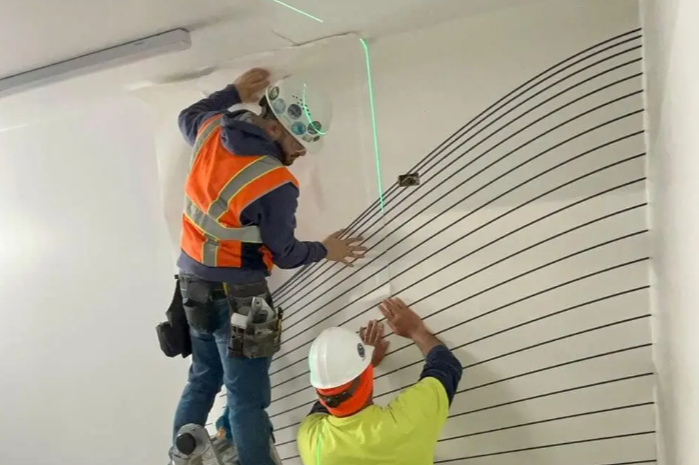
Pickleball can generate significant noise, which may be disruptive in certain environments. Implementing acoustic treatments, such as absorptive wall and ceiling panels, helps reduce sound levels. This consideration is particularly important for indoor courts or facilities located near residential areas.
Noise abatement can also extend to outdoor courts where game sounds may impact nearby homes or businesses. Sound-dampening fencing, strategic landscaping with dense hedges or berms, and the installation of sound barriers can all contribute to a more harmonious relationship between sports facilities and their neighborhoods. Attention to acoustics is becoming a hallmark of well-designed, community-oriented pickleball complexes.
Incorporating Quality Fencing and Enclosures
Durable fencing is essential to contain the ball within the court and ensure player safety. Materials like chain-link or structural glass provide visibility and longevity. The height and placement of the fencing should be carefully planned to prevent interference with play while maintaining an open and inviting atmosphere.
Standard fencing heights are typically 10 feet for perimeter fencing, with gates included for both ADA-compliant player access and emergency egress routes. Wind screens are commonly added to chain-link fences to reduce wind impact and provide privacy. Aesthetic upgrades, custom color coatings, branding elements, and integrated padding can further enhance both form and function, reflecting the unique character of each venue.
Additional Amenities and Court Accessories
To elevate player and spectator experience, consider adding features such as water fountains, shaded seating, storage lockers, and restrooms. Scoreboards, ball holders, and even mobile net systems offer added convenience, particularly at multi-court venues hosting competitive events or lessons. High-quality nets and posts, properly installed, are vital for maintaining proper net tension and consistent game play over time. Good signage helps with wayfinding and ensures facility rules and etiquette are clearly posted for users’ safety and enjoyment.
Partnering with Experienced Professionals
Collaborating with seasoned professionals ensures that all aspects of court construction meet industry standards. McConnell & Associates specializes in pickleball court construction, offering expertise in design, material selection, and installation. With a legacy dating back to 1965, they have been at the forefront of sports construction innovation, particularly in pickleball court construction services. Their dedication to excellence and detailed craftsmanship ensures every game is played on a court that reflects their commitment to quality and durability. Serving communities across the Midwest, including Kansas City and St. Louis, McConnell & Associates is your trusted partner in bringing top-tier sports construction services to your community.
By focusing on these essential elements, you can create a pickleball court that offers an exceptional playing experience, stands the test of time, and becomes a valued asset to your community or facility.