7 Details That Influence Whether A Front Tooth Repair Looks Seamless
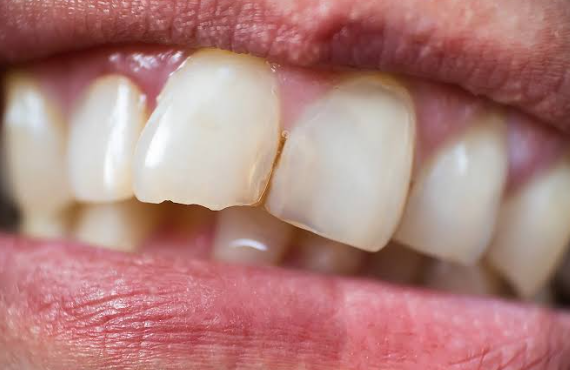
You see it right away. A chip, a crack, a repair that does not quite blend in, and suddenly your eye goes to that one front tooth every time you speak, smile, or catch your reflection. That kind of change can feel much bigger than the tooth itself. Front teeth sit in the center of your face, so even a small mismatch in color or shape can make you feel self conscious in a way back teeth never do. Elk Grove dental care.
A natural looking result usually comes down to details, not luck. The best front tooth repair matches color, light reflection, shape, texture, and bite, and it holds up to daily use without looking bulky or flat. If you need care from a general and family dentist, knowing what affects the final look helps you ask better questions and avoid a repair that stands out for the wrong reasons.
Shade matching affects more than color alone
Most people think the main issue is picking the right shade. Shade matters, but a front tooth is not one flat block of white. Natural enamel has layers, slight translucency near the edge, and tiny shifts in tone from top to bottom. A repair that matches only the brightest part of the tooth can end up looking chalky. A repair that is too gray can look dull under indoor light.
Dental materials have improved a great deal, and research on advanced dental materials has helped support stronger, more lifelike restorations. That matters because a seamless result depends on both the dentist’s eye and the material’s ability to mimic natural enamel.
The size and location of the damage change the strategy
A tiny chip on the edge of a front tooth is different from a fracture that runs deeper or reaches the nerve. If the break is small, bonding may blend beautifully. If a large section is missing, the repair may need more structure to avoid looking thick or failing under pressure. When trauma is involved, treatment can also depend on whether the tooth is loose, sensitive, or discolored later on. MedlinePlus explains the basics of a broken or knocked out tooth, and that gives useful context for why some repairs are simple while others are not.
This is where frustration often starts. You may want a fast cosmetic fix, but if the tooth has deeper damage, rushing can lead to a result that looks decent for a week and then chips, darkens, or feels wrong when you bite.
Tooth shape and symmetry make a repair look natural
Your front teeth are not identical, but they do follow a pattern. Width, length, corner roundness, and the way the edge lines up with the tooth next to it all affect whether a repair disappears into your smile or draws attention. A front tooth that is repaired a little too square, a little too short, or a little too full can look obvious even when the shade is close.
This is one reason seamless front tooth bonding takes planning. The eye notices symmetry fast. A skilled repair respects the way your smile already works instead of creating one tooth that looks newer than the rest.
Surface texture and polish control how light hits the tooth
Natural teeth are not perfectly smooth like plastic. They have subtle texture that catches light in a soft way. If a repair is over polished, it can reflect light too sharply. If it is rough, it can stain faster and feel different against your lip. That is why the final finishing step matters so much.
You might have seen a repair that looked fine in the dental chair and strange in daylight. Light exposes texture. It also exposes flat surfaces that should have had more contour.
The bite can make or break a cosmetic result
A front tooth can look great and still fail if your bite hits it too hard. This happens more often than people expect. If you grind your teeth, clench when stressed, or bite edge to edge, a repair on a front tooth carries more risk. Even a very good cosmetic result can chip if the force pattern is wrong.
That is why a dentist checks how your teeth come together before finishing the repair. Appearance and function are tied together. A repair that survives daily use usually looks better longer.
Timing matters when there is swelling, dryness, or recent injury
Teeth and soft tissue can change after an injury. A tooth may dry out during treatment, which can make its color look lighter for a short time. Lips and gums may also be swollen, which changes how much tooth shows when you smile. If a repair is shaped without accounting for that, the final look may feel off once everything settles.
Injuries to the mouth can involve more than the visible chip. MedlinePlus outlines signs of mouth injuries that may need prompt care, especially when there is bleeding, deep cuts, or concern about damage below the surface.
See also: The Best Flooring Options for Busy Families
The dentist’s material choice affects durability and realism
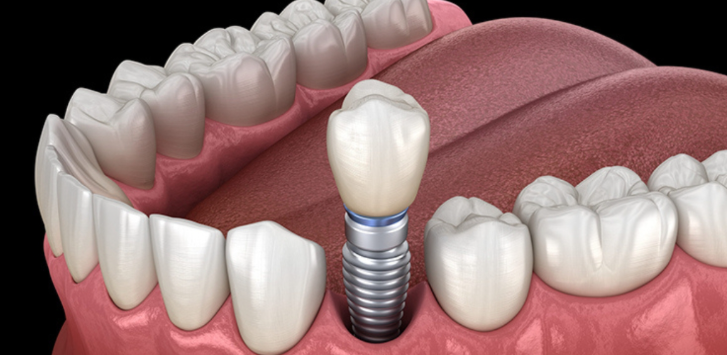
Not every material behaves the same way. Composite bonding is conservative and often ideal for smaller repairs. Other cases may call for a veneer or crown, especially when strength and coverage matter more. The right option depends on how much tooth remains, where the damage sits, and how visible the margin will be when you smile.
| Repair Option | Best For | Appearance | Main Tradeoff |
| Composite bonding | Small to moderate chips and edge repairs | Can look very natural when layered well | May stain or chip sooner than porcelain |
| Porcelain veneer | Visible front tooth damage with cosmetic concerns | Excellent light reflection and color stability | Usually requires more planning and higher cost |
| Crown | Large fractures or weakened teeth | Can look natural with good design | More tooth structure is typically involved |
Three steps help you get a more natural front tooth repair
Ask to discuss shape, not just shade. If you only ask for a white filling, you may miss the bigger issue. Ask how the dentist will match contour, edge length, and texture so the repair blends with the neighboring tooth.
Bring a photo of your smile before the damage. A close photo from your phone can help show the original tooth length and shape. That is useful when recreating a chipped edge or a corner that used to be more rounded.
Be honest about clenching, grinding, and habits. Nail biting, chewing ice, opening packages with your teeth, and nighttime grinding all matter. A beautiful tooth repair will not stay beautiful for long if it keeps taking direct stress.
If you are dealing with a chipped or injured front tooth, you do not need to settle for a repair that looks obvious every time you smile. The details behind a natural result are specific, and they are worth discussing before treatment starts. Reach out to schedule a visit with a general and family dentist and get a plan that protects both the look of your smile and the health of the tooth.