Why Dental Implants Are An Investment In Long Term Oral Health
Losing a tooth changes more than your smile. You notice it when you eat, when you speak, and sometimes when you catch yourself covering your mouth in photos or conversation. If you have been weighing your options with a cosmetic dentist in Skokie, IL, the price of treatment can feel like the biggest thing in the room. That reaction makes sense. Dental implants cost more upfront than some other tooth replacement choices, but they often protect your health, comfort, and confidence for years in a way that cheaper short term fixes may not.
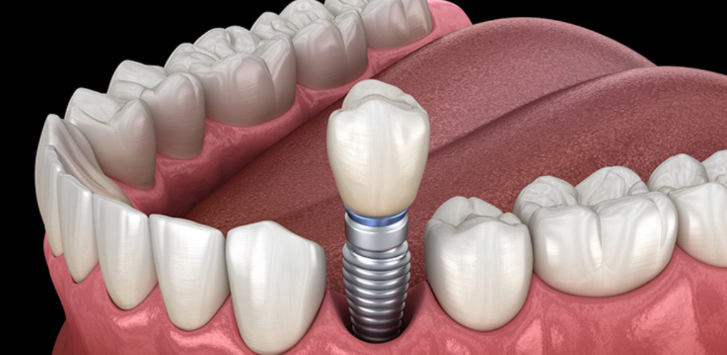
Dental implants as a long term oral health investment comes down to function and stability. An implant replaces the tooth root as well as the visible tooth, which helps support the jaw and keeps nearby teeth from shifting out of place. That matters because one missing tooth rarely stays one missing tooth in terms of impact. Bite changes, extra pressure on other teeth, and bone loss can create a chain reaction that grows more expensive with time.
Missing teeth create problems that spread beyond the gap
You may already know the daily annoyances. Food gets trapped. Chewing on one side becomes a habit. Certain words feel different. The part that is easier to miss is what happens under the surface. When a tooth is gone, the jawbone in that area no longer gets the same stimulation from chewing. Bone can begin to shrink, which may affect the shape of your face and the support for nearby teeth.
That is one reason many dentists recommend implants when they are a good fit. According to the University of Illinois Chicago guide to dental implants, implants are placed in the jaw and act like artificial roots, creating a stable base for a crown. That stability is what helps them feel and function more like a natural tooth.
If the alternative is doing nothing for now, the cost can show up later in a different form. A neighboring tooth can drift into the open space. The tooth above or below may start to move because it no longer has an opposing surface to meet. Then a single missing tooth turns into bite correction, gum problems, wear on other teeth, or more complex restorative work.
See also: Lifeguard Gear Essentials: What You Need for the New Lifeguarding Season
Dental implants support bone health and daily function
A bridge can restore appearance and chewing, and dentures help many people, but implants offer something unique because they integrate with the jawbone. That connection is part of why many people see them as an investment rather than just a replacement. They do not simply sit on top of the gums. They become part of the support system for your bite.
The materials matter too. Ongoing advances in dental materials research have improved the durability and performance of restorations, including the components used in modern implant treatment. Better materials do not erase the need for good care, but they do support the long view many patients want when making a major dental decision.
You also get a quality of life benefit that is hard to reduce to a line item. Implants do not need adhesives. They do not come out at night. They let many patients chew more normally and speak with less self consciousness. If you have ever worried that a denture might slip during a meal or conversation, you already understand why that stability matters.
Upfront cost often differs from long term value
The first number you see on a treatment plan can be discouraging. That is real. What matters is looking at the full life of the treatment, not only the first bill. A lower cost option may need more repairs, replacement, or adjustment over time. An implant may cost more at the start, yet last much longer with proper care.
The University of Rochester Medical Center overview of dental implants explains that implants can be a strong option for patients who want a secure, lasting replacement for missing teeth. That long term durability is the core of the value conversation.
| Option | Upfront Cost | Effect on Jawbone | Impact on Nearby Teeth | Maintenance Over Time |
| Dental Implant | Higher | Helps stimulate bone | Usually leaves adjacent teeth untouched | Regular brushing, flossing, and dental visits |
| Dental Bridge | Moderate | Does not replace root stimulation | May require shaping neighboring teeth | May need replacement after years of wear |
| Removable Denture | Lower | Does not prevent bone loss in the same way | Less direct effect on adjacent teeth | More adjustments, fit changes, and possible adhesives |
Long lasting tooth replacement is not only about keeping a crown in place. It is about preserving structure, avoiding added dental work when possible, and reducing the day to day friction that comes from an unstable solution. That is why many people discussing dental implant benefits talk about health and function just as much as appearance.
Smart decisions start with a clear look at your mouth and your goals
Get a full evaluation. Ask for imaging, a bite assessment, and a review of your gum and bone health. Implants are not one size fits all. If bone loss, gum disease, or grinding is part of the picture, your treatment plan should reflect that from the start.
Compare long term costs, not just today’s price. Ask how long each option typically lasts, what maintenance is expected, and whether future replacements are likely. A lower initial fee can become more expensive if it leads to repeated repairs or added treatment.
Choose a plan you can actually maintain. The best tooth replacement option is one that fits your health, budget, and habits. If you are considering a root service like a general and cosmetic dentist, look for someone who can explain both restorative function and appearance in plain language, without pressure.
Dental implants can protect more than your smile
If you have been putting off a decision because the cost feels heavy, you are not overreacting. Dental work is personal, and large treatment plans ask a lot of you. Still, replacing a missing tooth with an implant can do more than fill a space. It can protect your bite, support your jawbone, and help you avoid a cycle of bigger problems later. When you look at the full picture, the investment often makes sense for both oral health and daily life.
If you are ready to explore your options, schedule a consultation with a trusted dental professional and get a treatment plan built around your long term health.