How Ready Eddy Cash Offer Helps California Homeowners Sell a House Fast
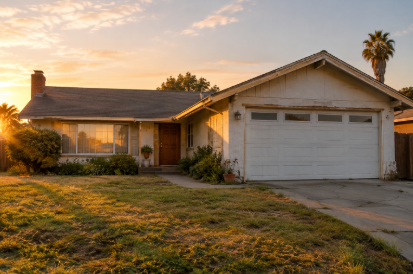
California homeowners often face selling decisions that cannot wait for months of repairs, showings, negotiations, and lender approvals. Ready Eddy Cash Offer provides a direct cash-sale option for owners who want to explore selling a California property without following the usual listing process.
Whether a home is near the coast, in the Inland Empire, the Central Valley, Los Angeles County, or another part of the state, a fast sale can be useful when a property needs work or a life change requires a clear timeline. The best path depends on the home, the seller’s goals, and the likely net proceeds from each available option.
For homeowners weighing speed, privacy, and convenience, Ready Eddy Cash Offer states that it purchases homes throughout California and can make no-obligation cash offers. Its process is intended to give sellers a direct alternative when preparing a property for the open market is not practical.
California’s housing costs can make every month of ownership important. Mortgage payments, insurance, property taxes, utilities, repairs, and vacancy costs may continue while a seller waits for a buyer. The state’s housing affordability data also illustrates why price, timing, and transaction costs remain central concerns for households across California.
How Can a Fast California Home Sale Work?
A direct cash sale removes several steps common in a traditional listing. Rather than hiring an agent, completing updates, arranging professional photos, opening the home to prospective buyers, and waiting for a financed offer, a homeowner can discuss the property directly with a buyer. Ready Eddy Cash Offer says its model is designed for sellers seeking an as-is transaction and a closing timeline that fits their needs.
This approach can be especially relevant when a property has deferred maintenance, an outdated interior, water damage, an unresolved tenant issue, or belongings that make preparing for showings difficult. It can also offer more privacy because the home does not need to be publicly marketed through open houses or repeated buyer visits.
What Is the Ready Eddy Cash Offer Request Process?
A Ready Eddy Cash Offer request begins with basic property and contact information. After that initial inquiry, the process generally follows these steps:
- Share the property details. The homeowner provides the address and explains the property’s condition, ownership situation, and desired selling timeline.
- Discuss the home. The buyer reviews factors such as location, condition, title concerns, repairs, and occupancy.
- Receive an offer. The seller can review a cash offer without an obligation to accept it.
- Choose a closing date. If both parties agree, the sale moves into title and escrow, with a date selected around the seller’s plans.
The company states that some transactions can close in approximately 7 to 14 days, although actual timing depends on title work, lien payoff information, documents, property access, and other transaction details. A seller should treat any proposed schedule as specific to that sale rather than as a universal guarantee.
See also: Lifeguard Gear Essentials: What You Need for the New Lifeguarding Season
Can You Sell a California House As-Is?
Yes. An as-is sale means the owner sells the property in its current condition rather than completing repairs or cosmetic upgrades before closing. Ready Eddy Cash Offer says it considers California homes in many conditions, including properties with outdated kitchens, roof concerns, foundation issues, water or fire damage, code concerns, or extensive deferred maintenance.
As-is selling involves a trade-off. A fully repaired house marketed broadly may have the potential to bring a higher gross price. However, the seller may need to pay for improvements, cleaning, staging, agent services, and holding costs while waiting for closing. A direct cash offer accounts for the buyer’s repair costs and risk, so homeowners should compare the likely amount they would keep, not simply the headline price.
Which California Sellers May Benefit From a Direct Sale?
Inherited Properties
An inherited home may be vacant, located far from the heir, or in need of updates. A direct sale can simplify the property side of an estate, but the person selling must have the legal authority to do so. Probate, multiple heirs, liens, and estate documents can affect the timeline.
Relocation, Divorce, and Landlord Fatigue
Owners relocating for work may want to avoid maintaining two residences. Divorcing spouses may seek a straightforward way to resolve a shared asset. Landlords facing vacancies, repairs, tenant disputes, or management fatigue may prefer to sell instead of investing more time and money in the rental.
Foreclosure Concerns
Homeowners who are behind on payments should act early and confirm deadlines directly with their lender. A sale may or may not resolve the full situation, depending on the payoff amount, sale price, and timing. Independent legal or housing guidance can be especially important when a foreclosure deadline is approaching.
Cash Sale Versus a Traditional Listing
- Repairs: A direct buyer may purchase as-is, while a conventional listing may require repairs or updates to compete effectively.
- Showings: A cash sale can avoid public open houses and repeated showings. A listed property commonly involves both.
- Timeline: Cash sales may avoid buyer-financing delays. A traditional sale depends on market exposure, negotiations, inspections, appraisal, financing, and escrow.
- Price: A retail listing may generate a higher gross offer in some situations, while a direct cash sale may reduce preparation and holding costs.
- Certainty: A cash buyer does not rely on a mortgage approval, but every seller should still review the written terms carefully.
Broader California housing affordability research underscores why homeowners may pay close attention to ongoing ownership costs and timing. The right selling method is the one that best matches a seller’s financial needs, property condition, and desired level of certainty.
How Should California Sellers Evaluate a Cash Home Buyer?
- Request a written offer that clearly states the purchase price and terms.
- Confirm the buyer’s legal business name, contact information, and role in the transaction.
- Ask whether the offer can be reduced later and what conditions could cause a change.
- Understand how title, escrow, liens, and mortgage payoff will be handled.
- Ask whether the contract includes an inspection period or assignment rights.
- Do not pay unexpected upfront fees to receive an offer.
- Consult an independent attorney or qualified real estate professional if the transaction is complex.
Frequently Asked Questions
Does Ready Eddy Cash Offer Buy Houses That Need Repairs?
The company states that it buys California properties in many conditions, including homes that need repairs or cleaning. Sellers should describe known property issues accurately so the offer can reflect the home’s condition.
Will a Cash Buyer Pay Full Retail Value?
Not necessarily. A cash buyer typically considers repair costs, resale risk, and the value of a faster, simpler transaction. Compare the offer with the estimated net proceeds and effort involved in a traditional listing.
Can an Inherited Home Be Sold for Cash?
It may be possible if the seller has the authority to sell. Probate status, ownership documents, liens, and agreement among heirs can affect the process.
What Should a Seller Do Before Accepting an Offer?
Review the written agreement, ask questions about the closing process, identify title or mortgage issues, and obtain independent advice when needed. A well-informed decision helps ensure that a fast sale also serves the seller’s long-term interests.