After a Tooth Extraction: A Simple Recovery Plan
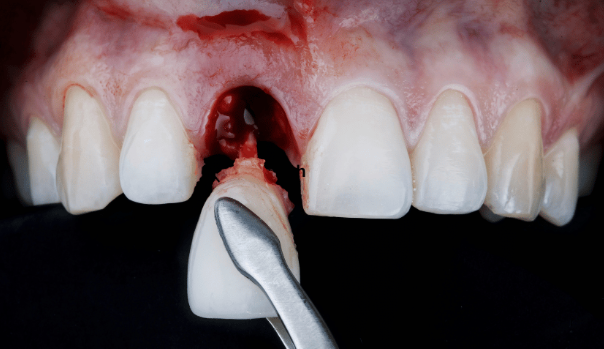
A tooth extraction is a common procedure, but the first few days afterward can feel unfamiliar. A calm, practical plan helps protect the healing area, reduce discomfort, and make it easier to recognize when something needs professional attention.
Whether you are preparing for a routine extraction or a more involved surgical procedure, asking about gentle tooth removal options and personalized aftercare instructions can help you feel more confident before treatment.
Recovery varies from person to person. A simple extraction may cause mild soreness for a few days, while wisdom tooth removal, an impacted tooth, stitches, or bone work can mean more swelling and a longer healing period.
The most important early goal is protecting the blood clot that forms in the empty socket. This clot acts as a natural cover for the underlying bone and nerves while the gum begins to heal.
If you need individualized guidance before or after treatment, Champaign Dental can help patients understand the care instructions that fit their procedure and health history.
What To Expect After A Tooth Extraction
As the numbing medication wears off, soreness may become more noticeable. Most people start to feel better within a few days, but the healing of the socket, gum tissue, and bone can take longer. Generally, recovering from a routine extraction is easier than recovering from a surgical removal that involves an incision, stitches, or bone removal. Always prioritize the written instructions from your dentist or oral surgeon over general advice.
See also: Lifeguard Gear Essentials: What You Need for the New Lifeguarding Season
The First 24 Hours
- Bite on gauze with steady pressure for the time your dental team recommends.
- Rest, and avoid strenuous exercise, heavy lifting, repeated bending, and vigorous housework.
- Keep your head slightly elevated when resting.
- Use a cold pack on the outside of the cheek if your clinician recommends it.
- Drink water from a cup, not a straw.
- Do not spit forcefully, rinse aggressively, or touch the socket.
Light oozing or pink saliva can be expected early on. However, bleeding that remains heavy after firm pressure and fresh gauze should be reported to the dental office.
Managing Pain And Swelling
Soreness and swelling are often most noticeable during the first two or three days and should then gradually improve. A cold compress wrapped in a towel may help limit swelling during the early period. Take prescription or over-the-counter medicine only as directed, and do not combine pain medicines unless a dentist, physician, or pharmacist says it is safe to do so. People who are pregnant or who have kidney disease, liver disease, ulcers, or who take blood thinners should ask for medication-specific advice.
Pain should generally trend downward, not suddenly become more intense after improvement. A lost blood clot can lead to a dry socket, a painful complication characterized by severe radiating pain, an unpleasant taste, or bad breath.
What To Eat And Drink
Good Early Choices
- Yogurt, applesauce, pudding, and mashed potatoes
- Scrambled eggs, soft pasta, and cooled oatmeal
- Broth or soup served warm, not extremely hot
- Smooth foods eaten with a spoon rather than through a straw
Foods To Delay
- Popcorn, nuts, seeds, chips, and crusty bread
- Sticky candy and foods that can lodge in the socket
- Very spicy, acidic, or extremely hot foods
Add firmer foods slowly as chewing becomes comfortable, and chew on the opposite side when possible. Stay hydrated and include protein-rich soft foods to support recovery.
Keeping The Mouth Clean
A clean mouth supports healing, but aggressive cleaning can dislodge the clot. Brush and floss the other teeth as directed, while avoiding direct contact with the extraction area at first. Gentle rinsing may be appropriate after the time specified by your dental professional, but do not swish hard or probe the socket with a finger, toothpick, or fingernail.
Habits And Activities To Avoid
Skip these for now:
- Smoking, vaping, and other tobacco use
- Drinking through straws
- Forceful spitting or vigorous rinsing
- Heavy exercise during the early recovery period
- Alcohol, if it conflicts with medication or your clinician’s instructions
- Scraping, poking, or repeatedly checking the extraction site
- Returning to hard, crunchy foods too quickly
Suction and irritation can disturb the clot and delay healing. The right time to resume normal activities depends on the procedure and your dentist’s instructions.
A Simple Healing Timeline
Day One
Expect numbness, mild bleeding, and tenderness. Focus on gauze care, rest, soft foods, hydration, and clot protection.
Days Two And Three
Swelling, soreness, bruising, and jaw stiffness may peak during this period. Look for gradual improvement rather than immediate comfort.
Days Four Through Seven
Eating and speaking often become easier, and tenderness should lessen. Worsening pain, a foul taste, or a strong odor should not be ignored.
After The First Week
The gum may continue closing after you feel ready for usual activities. Healing of deeper tissues and bone can take longer, especially after surgery or wisdom tooth extraction.
Warning Signs To Watch For
Call your dental office promptly if you have:
- Heavy bleeding that does not improve with pressure
- Severe pain or pain that worsens after a few days
- Fever, chills, increasing facial swelling, or pus-like drainage
- A strong foul taste or odor with rising pain
- Numbness lasting longer than expected or increasing difficulty opening the mouth
- Trouble breathing, trouble swallowing, or rapidly spreading swelling may require urgent medical care.
Common Questions
How Long Does Recovery Usually Take?
Many routine extractions feel substantially better within several days. Surgical procedures may take longer, and deeper healing continues after normal eating resumes.
When Can Normal Foods Return?
Return to firmer foods gradually when chewing is comfortable and your dental professional has not given different instructions.
Is A White Layer In The Socket Normal?
A pale or whitish film can be part of normal healing. Consider the full picture, including pain level, swelling, fever, odor, and drainage.
What Is Dry Socket?
Dry socket happens when the protective blood clot is lost too early, leaving sensitive tissue exposed. It needs professional treatment rather than home remedies.
When Should Someone Call The Dental Office?
Call whenever symptoms are severe, worsening, or different from the instructions you received. Professional reassurance is safer than relying on online guesses during recovery.
Conclusion
A simple recovery plan can make the days after a tooth extraction easier. Protect the clot, choose gentle foods, clean carefully, and give your body time to heal. Gradual improvement is reassuring. Heavy bleeding, worsening pain, fever, swelling, or breathing problems deserve prompt professional attention.