Foot Zoning Explained: What to Expect From This Holistic Wellness Practice
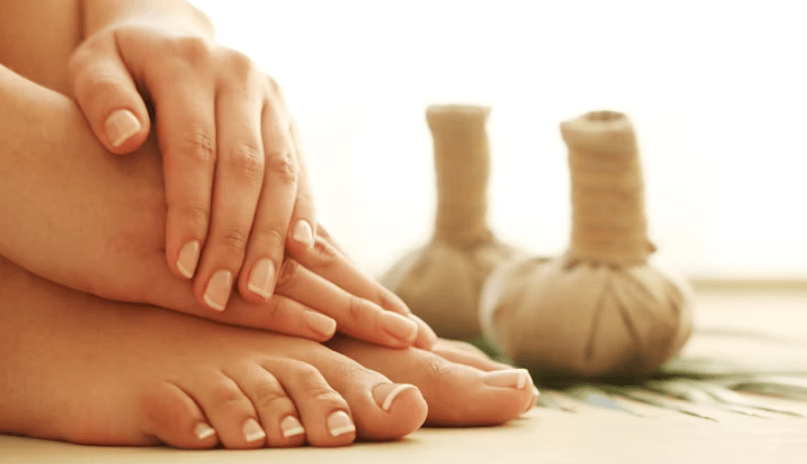
Foot zoning is a holistic wellness practice that focuses on specific areas of the feet, with the idea that these zones correspond to different parts of the body. Practitioners use targeted pressure, massage, and other gentle techniques to stimulate these areas. While it shares similarities with reflexology, foot zoning follows its own mapping systems and approach.
What Happens During a Session?
A typical session begins with a brief conversation about general wellbeing, lifestyle, and areas of concern. The practitioner may then examine the feet before beginning the treatment. You usually remain fully clothed, either sitting comfortably or reclining while the practitioner works on your feet.
The session can involve pressing, rubbing, stretching, or massaging different areas. Pressure may vary depending on the technique and your comfort level. Some areas can feel more sensitive than others, although the treatment should not be unnecessarily painful.
What Can You Expect to Feel?
Many people describe the experience as calming and relaxing. You may notice sensations such as warmth, tingling, tenderness, or pressure during the session. Afterwards, some people feel refreshed, while others may feel deeply relaxed.
It is worth remembering that individual experiences vary. Claims that working on particular foot zones can directly diagnose, prevent, or treat medical conditions are not supported by strong scientific evidence. Therefore, the practice is best viewed as a complementary wellness experience rather than a replacement for medical care.
Potential Wellness Benefits
The main appeal of foot-based holistic treatments is often relaxation. A quiet session can provide time away from everyday responsibilities and encourage mindful attention to the body. Massage itself may temporarily ease feelings of tension and promote a general sense of comfort.
The pace may encourage people to pause, breathe, and reconnect with their bodies.
Some people incorporate these sessions into broader self-care routines alongside adequate sleep, balanced nutrition, physical activity, and stress-management practices. Keeping expectations realistic can help make the experience more beneficial and enjoyable.
Preparing for Your Appointment
Choose comfortable clothing and arrive with clean feet. Avoid applying heavy creams immediately beforehand if your practitioner needs to work directly on the skin. It is also helpful to communicate clearly about pressure preferences, injuries, skin problems, or discomfort.
If you have a medical condition, are recovering from an injury, or have concerns about whether massage is appropriate for you, seek advice from a qualified healthcare professional before booking a session.
A Calm Approach at Empower Wellness Spa
At Empower Wellness Spa, a session can be approached as part of a wider focus on relaxation and personal wellbeing. Paying attention to comfort, communicating openly with the practitioner, and allowing enough time to unwind can make a wellness appointment feel more restorative. As with any complementary practice, informed expectations are important.
See also: Customised Workwear – Empowering Businesses Professional Branding
Final Thoughts
For those curious about foot zoning, the practice offers a structured foot-focused approach to relaxation and self-care. It may provide a soothing experience for some people, particularly when combined with healthy lifestyle habits. However, it should complement rather than replace appropriate medical treatment. Approached with realistic expectations, foot zoning can be one option for creating dedicated time for rest, relaxation, and wellbeing.