Springdale AR Home Plumbing Checklist: Simple Checks for Leaks, Drains, and Water Heaters
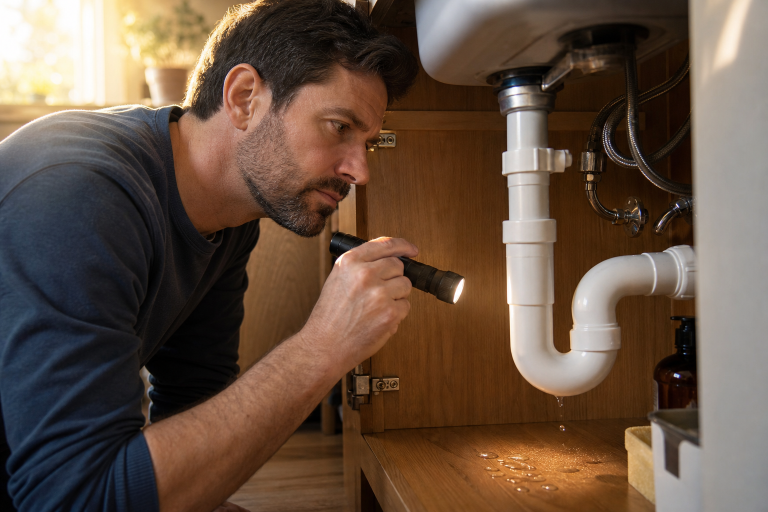
Table of Contents
- Check for Hidden Water Leaks
- Keep Drains Moving Before They Back Up
- Review Water Heater Warning Signs
- Inspect Toilets, Faucets, and Shutoff Valves
- Prepare Plumbing for Seasonal Weather
- Pay Attention to Water Quality and Flow Changes
- Know When a Plumbing Problem Is an Emergency
- Monthly Springdale Plumbing Checklist
- Common Questions From Springdale Homeowners
- Conclusion
Small plumbing problems rarely stay small. A slow drip can damage cabinets, a recurring clog can become a backup, and a neglected water heater can fail when a household needs it most. Homeowners who need a qualified local opinion can turn to plumbers Springdale, AR at Trade Pro Plumbing, a Northwest Arkansas plumbing company serving Springdale, Fayetteville, Rogers, and Bentonville with residential and commercial services including leak detection, drain cleaning, water heater work, fixture repairs, filtration, and emergency plumbing response.
A brief monthly inspection is often enough to identify warning signs before they lead to water damage, mold, wasted water, or an unexpected repair. This checklist is designed for Springdale homes of all ages, from established properties with older piping to newer homes where supply lines, valves, and appliances still need routine attention.
1. Check for Hidden Water Leaks
Look under kitchen and bathroom sinks, behind washing machines, around toilets, and near the water heater. Damp cabinet floors, peeling paint, musty smells, loose flooring, water stains, and unexplained mold growth all deserve attention. A hidden leak may also show up as a sudden increase in water use or a water bill that is higher than usual.
Simple Water Meter Leak Test
- Turn off faucets, ice makers, dishwashers, washing machines, and other water-using appliances.
- Locate the water meter and note its reading or leak indicator.
- Wait 30 minutes to two hours without using water.
- Check the meter again. Movement can indicate a leak somewhere on the property.
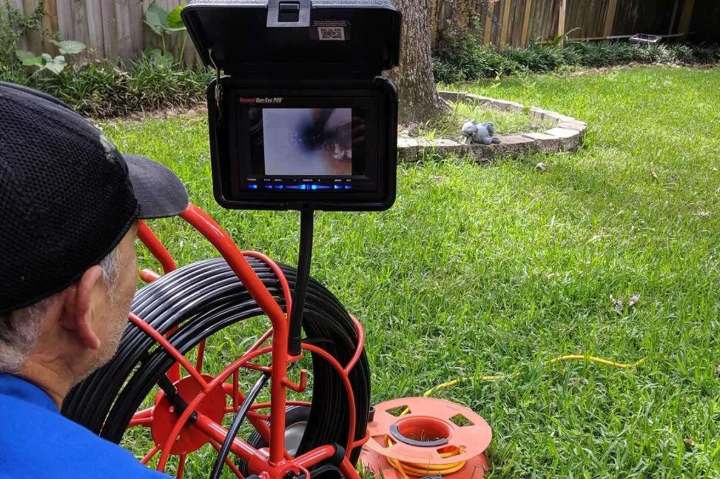
Leaks below a slab, behind walls, or in underground lines may not be visible without specialized equipment. If the concern appears to be near the meter or public connection, residents can review local alerts and contact options through Springdale Water Utilities before assuming the entire issue is inside the home.
2. Keep Drains Moving Before They Back Up
A slow drain is an early warning sign, not a normal inconvenience. Hair, soap residue, grease, food scraps, and mineral buildup can narrow a pipe over time. In older plumbing systems, buildup farther down the line may cause the same sink, tub, or toilet to clog repeatedly.
- Use drain screens in showers and kitchen sinks.
- Remove visible hair and debris from drain openings regularly.
- Use a plunger that matches the fixture when a simple clog occurs.
- Keep cooking grease, paint, wipes, and harsh chemical cleaners out of household drains.
Stop using a fixture if water begins appearing in another drain, such as a toilet bubbling while a washing machine empties. That can point to a main-line or sewer issue rather than a routine surface clog.
3. Review Water Heater Warning Signs
Listen for rumbling or popping sounds from a tank-style heater, watch for rusty water, and pay attention if hot water runs out faster than usual. Sediment can build up at the bottom of a tank, reducing efficiency and contributing to noise. A slow recovery time, moisture around fittings, or corrosion on connections also warrants a closer look.
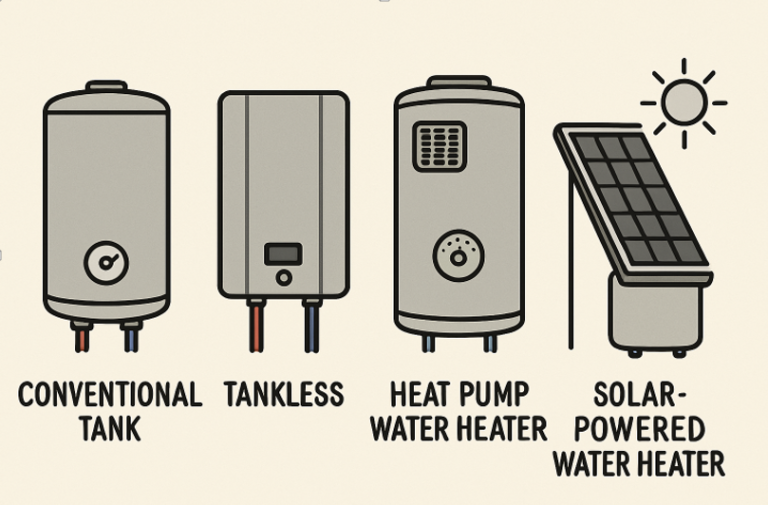
Keep boxes, paint, and stored items away from the unit so leaks and access problems are easier to spot. Tank heaters store and heat a set supply of water, while tankless systems heat water as it passes through the appliance. Either option needs correct sizing, safe connections, and periodic service. Do not attempt to repair gas controls, electrical components, pressure-relief valves, or a leaking tank without qualified help.
4. Inspect Toilets, Faucets, and Shutoff Valves
A toilet can waste substantial water without making much noise. Add a few drops of food coloring to the tank, wait about 15 minutes without flushing, and check whether the color reaches the bowl. If it does, the flapper or another internal component may be leaking.
Check faucets for drips, stiff handles, worn supply lines, and moisture around the base. Also, test individual fixture shutoff valves carefully. Every household member should know where the main water shutoff valve is located and how to use it before a pipe breaks or an appliance hose fails.
5. Prepare Plumbing for Seasonal Weather
Cold Arkansas nights can put exposed pipes, outdoor faucets, garages, crawl spaces, and exterior walls at risk. Disconnect garden hoses before freezing conditions, cover or protect vulnerable outdoor connections, and insulate accessible pipes where appropriate. If leaving town during cold weather, keep the home heated and consider having someone check the property.
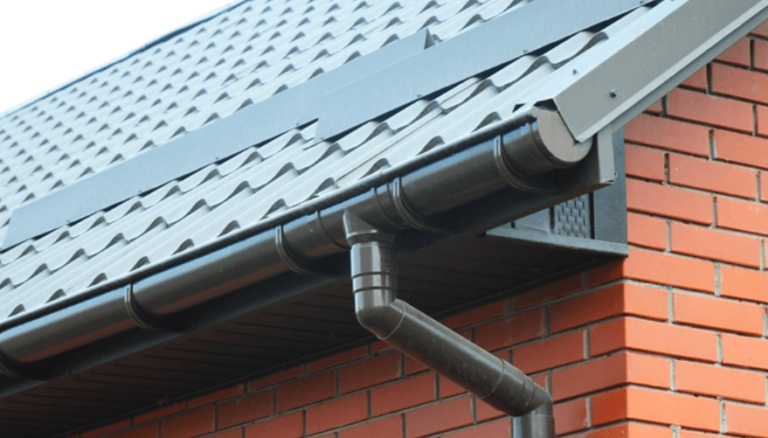
During heavy rain or stormy periods, inspect yard drains, sump pumps, and exterior cleanouts. Keep drainage paths clear so water is directed away from the foundation. Nearby utility construction or planned water and sewer work can also affect access or service, so homeowners can check current water and sewer projects in Springdale when unusual conditions arise in their neighborhood.
6. Pay Attention to Water Quality and Flow Changes
A change in water pressure, taste, odor, or color can have many causes. First, determine whether the issue affects one fixture or the whole house. Low flow at one faucet may be caused by a clogged aerator, which can often be removed and cleaned. Low pressure throughout the home could involve a partially closed valve, pressure regulator, hidden leak, or a wider utility matter.
Do not choose a filtration system based only on a temporary taste or appearance change. Start by identifying whether the concern is isolated, persistent, or connected to a local service notice, then consider household needs and current water-quality information.
7. Know When a Plumbing Problem Is an Emergency
Act quickly when a pipe bursts, water is flowing rapidly, sewage enters the home, or water reaches electrical outlets or appliances. Shut off the main water supply if it is safe to do so, move people away from standing water near electricity, and avoid using affected fixtures.
A gas odor near a water heater or gas line is different. Leave the area immediately, avoid switches, flames, and electrical devices, and then contact the gas utility or emergency services from a safe location. Do not try to locate or repair a suspected gas leak yourself.
Monthly Springdale Plumbing Checklist
- Look under sinks and around toilets for moisture.
- Test toilets for silent leaks.
- Clean drain screens and faucet aerators.
- Inspect water heater connections and the surrounding floor.
- Check the water meter when no water is in use.
- Confirm the main shutoff valve is accessible and functional.
- Schedule help for recurring, worsening, hidden, or unsafe problems.
Common Questions From Springdale Homeowners
How often should plumbing leaks be checked?
Perform a quick visual check every month and inspect more closely after freezing weather, major storms, remodeling, or an unusually high water bill.
Why does a drain keep clogging after it is cleared?
Repeated clogs can indicate buildup deeper in the pipe, tree-root intrusion, damaged piping, or a problem in the main sewer line. Repeated chemical treatment may worsen pipe damage without solving the underlying issue.
Should a leaking water heater be repaired?
A minor connection leak may be repairable, but a damaged tank, gas concern, electrical issue, or active leak needs prompt professional assessment. Ignoring the problem can create water damage and safety risks.
Conclusion
Homeowners do not need advanced plumbing skills to prevent many costly problems. Regular inspections, careful drain habits, and quick action when symptoms appear can protect a Springdale home from larger disruptions. When a problem is hidden, recurring, or unsafe, professional diagnosis is the most practical next step.