Why do cockroach sightings increase at night but disappear during the day?
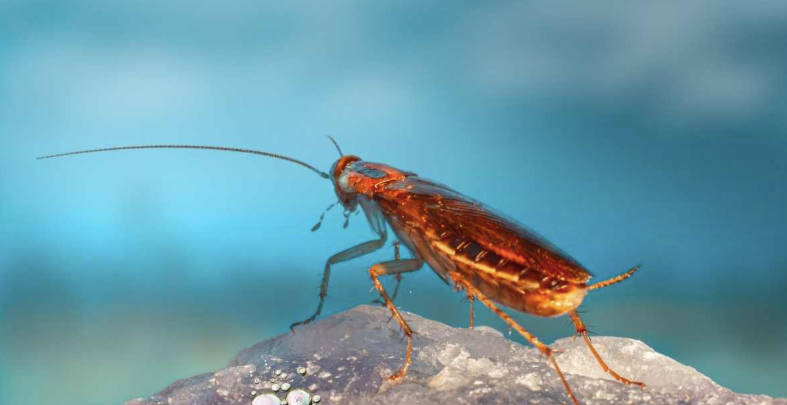
Cockroaches are among the most resilient and elusive pests found in homes and businesses. Many people notice that these insects seem to vanish during daylight hours, only to reappear in greater numbers once the sun sets. This pattern can be both puzzling and concerning, especially for those trying to maintain a clean and healthy environment. Understanding why cockroach sightings increase at night but disappear during the day is essential for effective management and prevention. By examining their behavior, biology, and environmental preferences, it becomes clear why these pests are so adept at avoiding detection during the day and why they become more visible after dark.
What to expect about cockroach behavior
Nocturnal Nature of Cockroaches
Cockroaches are primarily nocturnal creatures, meaning they are most active during the night. This behavior is an evolutionary adaptation that helps them avoid predators and human activity, both of which are more prevalent during the day. At night, cockroaches feel safer venturing out from their hiding spots to search for food and water. The darkness provides them with cover, reducing the risk of being seen or caught. During the day, cockroaches retreat to dark, secluded areas such as cracks, crevices, behind appliances, or inside walls. These hiding places offer protection from light, predators, and disturbances. The nocturnal habits of cockroaches are so ingrained that even when food is available during the day, they are unlikely to emerge unless their hiding spots are disturbed or overcrowded. This explains why sightings are rare in daylight but common at night when the environment feels safer for them to explore.
Environmental Factors That Influence Activity
The environment plays a significant role in determining when and where cockroaches are active. Temperature, humidity, and the availability of food and water all influence their behavior. Cockroaches prefer warm, humid environments, which are often found in kitchens, bathrooms, and basements. These areas provide the moisture and warmth they need to survive and reproduce. At night, when the household is quieter and less active, cockroaches take advantage of the stillness to forage for crumbs, spills, and other food sources. The absence of human activity reduces the risk of being disturbed, making nighttime the ideal period for them to be out in the open. For those seeking cockroach control Overland Park, understanding these environmental preferences is crucial for targeting the areas where cockroaches are most likely to hide and breed. By addressing these factors, it becomes easier to reduce their numbers and prevent future infestations.
Why Cockroaches Hide During the Day
Cockroaches have developed a strong aversion to light, which is another reason they remain hidden during the day. Their bodies are sensitive to changes in light, and exposure can make them feel vulnerable to predators and humans. This instinct to avoid light is so strong that even artificial lighting can keep them concealed. During daylight hours, cockroaches seek out the darkest, most inaccessible places in a building. These hiding spots are often close to food and water sources, allowing them to remain undetected while still having access to the resources they need. The ability to squeeze into tiny cracks and crevices makes it difficult to locate and eliminate them during the day. This behavior not only helps them survive but also makes it challenging for homeowners to detect an infestation until it becomes severe. The combination of light avoidance and the need for safety drives their daytime hiding habits, contributing to the perception that they disappear during the day.
Short paragraph: Cockroach Senses and Survival
Cockroaches possess highly developed senses that help them survive in challenging environments. Their antennae are extremely sensitive to touch and smell, allowing them to detect food, water, and potential threats even in complete darkness. They can sense vibrations and changes in air currents, which alert them to the presence of humans or predators. These adaptations make cockroaches exceptionally good at avoiding danger and finding resources, further explaining their ability to remain hidden during the day and active at night.
Impact of Human Activity on Cockroach Sightings
Human activity has a significant impact on when cockroaches are seen. During the day, homes and businesses are typically bustling with movement, noise, and light, all of which deter cockroaches from coming out into the open. The presence of people increases the risk of being spotted and killed, so cockroaches instinctively avoid these times. At night, when the environment is quieter and darker, cockroaches feel more secure and are more likely to emerge. This pattern is especially noticeable in places where food is prepared or consumed, such as kitchens and dining areas. Even small crumbs or spills left overnight can attract cockroaches, leading to increased sightings after dark. The correlation between human activity and cockroach behavior highlights the importance of maintaining cleanliness and minimizing food and water sources, especially before nightfall. By understanding how daily routines influence cockroach activity, it becomes possible to implement more effective prevention and management strategies.
See also: Window Replacement Trends for Modern Homes
Seasonal Variations in Cockroach Activity
Seasonal changes can also affect cockroach behavior and the likelihood of sightings. Cockroaches are cold-blooded insects, meaning their activity levels are influenced by temperature. During warmer months, they are more active and reproduce more quickly, leading to higher populations and increased sightings at night. In colder weather, cockroaches may seek shelter indoors to escape the cold, making infestations more noticeable in homes and buildings. However, their activity may decrease slightly as they conserve energy in cooler conditions. Seasonal shifts in humidity can also impact their behavior, as cockroaches require moisture to survive. During dry periods, they may be more likely to venture out in search of water, increasing the chances of being seen. Understanding these seasonal patterns can help in predicting when infestations are most likely to occur and in taking proactive measures to prevent them.
Conclusion
Cockroach sightings tend to increase at night and disappear during the day due to a combination of biological instincts, environmental preferences, and responses to human activity. Their nocturnal nature, aversion to light, and ability to find hidden, protected spaces make them difficult to detect during daylight hours. Environmental factors such as temperature, humidity, and the availability of food and water further influence their behavior, while seasonal changes can affect their activity levels. Human routines and cleanliness also play a crucial role in determining when cockroaches are most likely to be seen. By understanding these factors, it becomes possible to develop more effective strategies for managing and preventing cockroach infestations, ensuring a cleaner and healthier living environment.