Why Dental Sealants Are Not Just For Children
You may have heard about sealants at a child’s checkup and assumed they stopped mattering after the teen years. That is a common idea, and it leaves a lot of adults with deep grooves in their molars, a history of cavities, or a growing repair bill they did not see coming. If you have ever thought, “Aren’t sealants just for kids?” you are not alone. The short answer is no. In the right case, sealants can help protect adult teeth too, and a dentist in Wellesley, MA can help determine whether they make sense for your smile.
The reason is simple. Cavities do not care how old you are. The chewing surfaces of back teeth collect food and bacteria in narrow pits that a toothbrush can miss, even when your routine is solid. A sealant adds a thin protective coating over those areas, which lowers the chance that decay starts there. The CDC explains how dental sealants work and why they are effective on cavity prone molars.
Adult molars still face the same cavity risk
Back teeth do most of the heavy work, and they often have the deepest grooves. That makes them useful for chewing and hard to keep perfectly clean. You can brush twice a day, floss, use fluoride toothpaste, and still end up with decay in the pits and fissures of your molars. This is one reason adult dental sealants deserve more attention.
Some adults are better candidates than others. If you have molars without fillings or decay on the chewing surface, sealants may be an option. If you tend to get cavities, have dry mouth from medication, snack often, or have trouble cleaning crowded back teeth, the value goes up fast. You are not failing at oral care if you need extra protection. Sometimes the shape of your teeth creates the problem.
There is also a money issue here that many people know too well. A small preventive treatment can cost far less than a filling, crown, or root canal later. One weak spot in a molar can turn into a much larger repair if it sits unnoticed. That is where prevention starts to feel less like an “extra” and more like a practical choice.
See also: Lifeguard Gear Essentials: What You Need for the New Lifeguarding Season
Why dental sealants for adults make sense in real life
Picture a 34 year old who has had three fillings in the last five years, all in back teeth. They brush well and show up for cleanings, yet another sticky groove starts to soften. Or think about someone in their 50s taking medication that causes dry mouth, which raises cavity risk because saliva is not there to wash away acids as well. In both cases, a sealant may help protect areas that keep causing trouble.
That does not mean every adult needs them. Teeth with existing large fillings, active decay, or worn chewing surfaces may not be the right match. A general dentist has to examine the grooves, look at your cavity history, and decide whether a sealant will hold and protect the tooth well. This is not guesswork. It is a case by case decision based on your tooth structure and risk level.
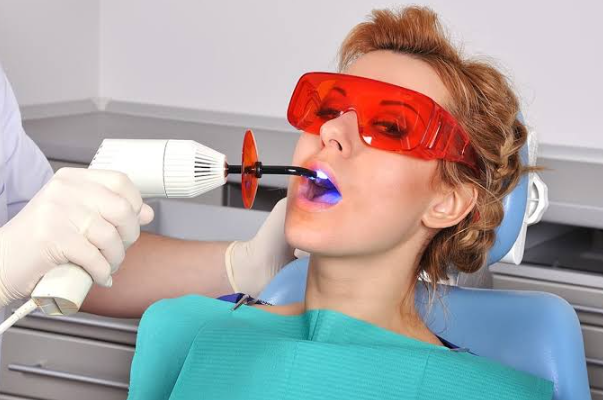
If you are wondering what the process feels like, it is usually quick and noninvasive. The tooth is cleaned, dried, treated so the material bonds well, then painted with the sealant and hardened. MedlinePlus outlines the sealant procedure in patient friendly terms. No drilling is usually needed when the tooth is healthy and decay free on that surface.
Dental sealants offer prevention that can outlast one office visit
Sealants are not forever, but they can last for years and be checked during regular exams. If they wear down or chip, they can often be repaired or replaced. That matters because prevention is rarely one big event. It is a series of smaller choices that keep problems from getting expensive and painful.
The public health data has been strongest in children, where sealants reduce cavity risk in molars in a big way. The CDC’s dental sealant facts and statistics show just how much protection sealants can provide on chewing surfaces. Adults do not stop benefiting from barrier protection simply because they aged out of pediatric care. The same grooves can still trap the same bacteria.
Comparing sealants with waiting for a cavity to form
| Factor | Dental Sealants | Waiting Until Decay Appears |
|---|---|---|
| Purpose | Prevents bacteria and food from settling into deep grooves | Treats damage after enamel has started to break down |
| Procedure | Usually quick, painless, and done without drilling | Often requires drilling and a filling, sometimes more |
| Cost pattern | Lower upfront preventive cost | Higher cost if decay grows into a filling, crown, or root canal |
| Best for | Teeth with deep grooves and no decay on the biting surface | Teeth that already have active damage |
| Long term impact | Can reduce future repairs when maintained and checked | Each repair can lead to more treatment over time as restorations wear out |
Practical steps to decide if sealants fit your needs
Look at your cavity pattern. If your fillings tend to show up in molars, that is a clue. A history of decay on chewing surfaces often points to anatomy and risk, not poor effort.
Ask for a groove by groove exam. During your next visit with a general dentist, ask whether your back teeth have deep pits and fissures that are still sound enough for sealing. This is the fastest way to find out if sealants for adults make sense for you.
Check the rest of your risk factors. Dry mouth, frequent snacking, orthodontic appliances, and inconsistent fluoride exposure all raise the odds of decay. When several of those stack up, adding a sealant can be a smart layer of protection.
Prevention is not just pediatric care
There is nothing childish about wanting fewer cavities, fewer repairs, and fewer surprise bills. Preventive care should match your teeth, your habits, and your risk, not your age. If your molars have deep grooves and a history of trouble, dental sealants may still have a place in your care plan.
If you are due for an exam, ask whether your back teeth are good candidates for dental sealants. A short conversation now may help you avoid a much bigger dental problem later.