What is UPS Power: A Complete Guide
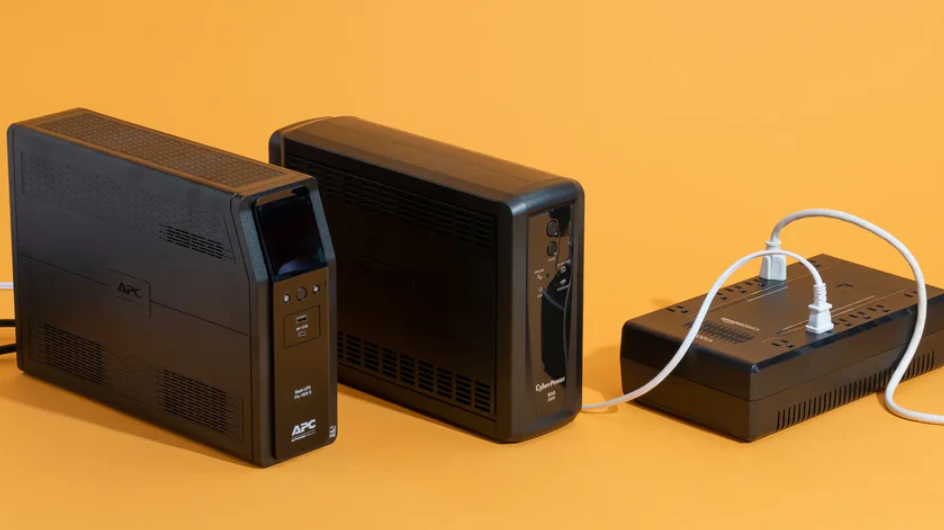
In today’s technology-driven world, ensuring uninterrupted power supply to electronic devices is crucial. Many of us have heard of the term UPS power, but what exactly does it mean, and why is it important? This article explores everything you need to know about UPS power, its types, benefits, and common applications.
Understanding UPS Power
UPS stands for Uninterruptible Power Supply. It is an electrical device designed to provide backup power to computers, servers, networking equipment, and other sensitive electronics when the main power source fails. The primary function of UPS power is to maintain a continuous power supply and prevent sudden shutdowns, which can result in data loss, hardware damage, or downtime in critical operations.
UPS power not only supplies electricity during outages but also stabilizes voltage fluctuations, protects against power surges, and ensures that devices operate efficiently without interruption.
See also: Transforming Your Home with Bespoke Fitted Kitchens – The Heart of the Home
How UPS Power Works
A UPS system typically consists of a battery, inverter, rectifier, and control circuitry. Here’s a step-by-step explanation of how UPS power works:
- Normal Operation: During regular power supply, the UPS charges its internal battery while simultaneously powering the connected devices.
- Power Interruption: When the main power supply fails or fluctuates, the UPS instantly switches to battery power without any delay, ensuring devices continue running.
- Voltage Regulation: The UPS adjusts voltage levels to safe limits, protecting equipment from overvoltage or undervoltage.
- Shutdown: Some UPS systems safely shut down devices if the battery runs low, preventing data corruption or hardware damage.
This rapid response is crucial for sensitive equipment like computers, servers, medical devices, and communication systems.
Types of UPS Power
UPS systems are classified based on their design and operation. The main types include:
- Offline/Standby UPS
- Provides basic protection against power outages.
- Ideal for home computers and small office setups.
- Activates battery only during a power failure.
- Provides basic protection against power outages.
- Line-Interactive UPS
- Offers voltage regulation along with backup power.
- Suitable for small businesses and home offices.
- Can handle minor power fluctuations without switching to battery.
- Offers voltage regulation along with backup power.
- Online/Double-Conversion UPS
- Provides continuous power from the battery, even when the main supply is stable.
- Offers the highest level of protection for critical systems like data centers and hospitals.
- Eliminates power interruptions and ensures zero downtime.
- Provides continuous power from the battery, even when the main supply is stable.
Benefits of UPS Power
Implementing UPS power in homes, offices, or industries offers several advantages:
- Uninterrupted Operation: Keeps devices running during blackouts or brownouts.
- Data Protection: Prevents loss or corruption of critical data.
- Hardware Safety: Protects sensitive electronics from power surges and voltage spikes.
- Increased Productivity: Avoids downtime, ensuring smooth business operations.
- Energy Efficiency: Modern UPS systems are designed to be energy-efficient, reducing electricity costs.
Applications of UPS Power
UPS power is used in a wide range of applications:
- IT and Data Centers: Protect servers, networking equipment, and storage devices.
- Healthcare: Support critical medical equipment like ventilators and monitors.
- Industrial Automation: Ensure continuous operation of machinery and control systems.
- Telecommunications: Maintain uninterrupted service for communication networks.
- Home Use: Protect personal computers, gaming systems, and home office equipment.
Common Myths About UPS Power
- Myth 1: UPS can run devices indefinitely – A UPS provides temporary power, typically from a few minutes to several hours, depending on the battery capacity.
- Myth 2: Only large businesses need UPS – Even small offices and homes benefit from UPS power to protect electronics and data.
- Myth 3: UPS prevents all power problems – While UPS protects against outages and surges, it may not fully prevent severe electrical faults like lightning strikes.
FAQs About UPS Power
Q1: How long does a UPS battery last?
A UPS battery usually lasts between 3 to 5 years, depending on usage and maintenance.
Q2: Can UPS be used for home appliances?
Yes, small UPS systems can power home electronics like computers, Wi-Fi routers, and LED lights during short outages.
Q3: Does a UPS save electricity?
While a UPS primarily protects devices, energy-efficient models consume minimal power during operation and can slightly reduce electricity waste.
Q4: How do I choose the right UPS?
Select a UPS based on the total wattage of connected devices, required backup time, and type of protection needed (standby, line-interactive, or online).
Q5: Can UPS power last through long outages?
UPS systems are designed for short-term power support. For extended outages, combining a UPS with a generator is recommended.
Conclusion
Understanding what is UPS power is essential for anyone looking to protect sensitive electronics and maintain business continuity. A UPS provides immediate backup power, safeguards devices from voltage fluctuations, and ensures data integrity during outages. By choosing the right type of UPS and properly maintaining it, both homes and businesses can avoid costly interruptions and operate smoothly even in the face of power disruptions. Investing in UPS power is not just a precaution; it’s a smart move for reliability and efficiency in today’s digital world.