The Importance Of Checking Dental Appliances For Wear And Fit
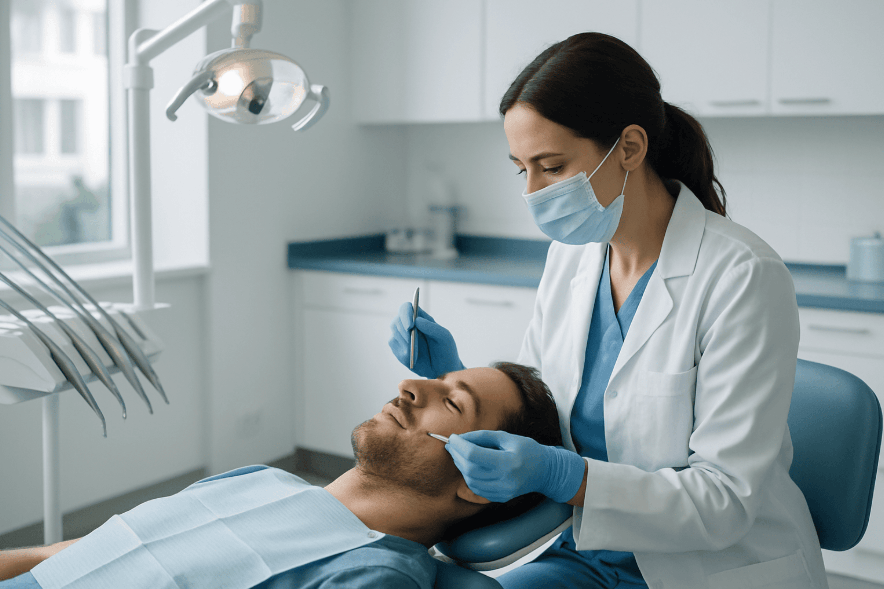
You get used to a dental appliance being part of your day, especially when working with a trusted dentist in Owatonna, MN. A retainer slips in at night, a denture clicks into place in the morning, a night guard sits by the sink, and after a while it starts to feel permanent. Then something changes. It feels a little loose. It rubs one spot on your gums. It does not sit the way it used to. You may tell yourself it is minor, but that small change often means the appliance is wearing down, your mouth is changing, or both.
The importance of checking dental appliances for wear and fit comes down to comfort, function, and protecting your oral health. A poor fit can lead to sore spots, shifting teeth, jaw strain, trouble chewing, and damage to the appliance itself. A simple check with a general dentist can catch problems early, before they become painful or expensive.
Worn or poorly fitting dental appliances create problems that build slowly
Most dental appliances do not fail all at once. They wear down in small ways. The edge of a night guard gets thinner. A retainer warps after being left in a hot car. Dentures stop fitting well because gums and bone change over time. You may not notice the shift right away because your mouth adapts, even when it should not.
That is where trouble starts. A denture that rocks slightly can irritate tissue every time you chew. The American Dental Association explains that dentures need regular evaluation because the shape of your mouth changes, which affects fit and function. What feels like a small annoyance can turn into sores, inflammation, and less confidence eating or speaking in public.
Retainers create a different kind of problem. They may still go on your teeth, but not the same way they did before. That can be a sign your teeth have shifted or the appliance has changed shape. Harvard Health notes that retainers help prevent shifting teeth, but only when they still fit as intended. If you force a retainer into place, you can create pressure in the wrong areas and ignore movement that needs a dentist’s attention.
Night guards and mouthguards can wear down too. Grinding puts constant force on them, and over time the surface can flatten, crack, or thin out. If the guard no longer protects evenly, your teeth and jaw take on more stress. You may wake up with headaches, jaw tension, or sensitive teeth and assume stress is the only cause, when the appliance is no longer doing its job.
Checking the fit of dental appliances protects your teeth, gums, and jaw
Checking the fit of dental appliances is not just about comfort. It is about preventing a chain reaction. One loose appliance can change how you bite. A changed bite can strain your jaw joints and muscles. A rubbing edge can become a sore that makes eating harder. If you stop wearing the appliance because it hurts, the original issue often returns, whether that is grinding, tooth movement, or trouble chewing.
There is also the hygiene side of the problem. Worn appliances can trap debris in scratches, cracks, or rough areas. The MedlinePlus guidance on caring for dentures and dental appliances points to daily cleaning and regular professional review. If an appliance is damaged, cleaning alone will not fix the deeper issue. Bacteria cling more easily to rough surfaces, and irritated tissues are more likely to become inflamed.
This is why a general dentist looks at both the appliance and the mouth around it. Sometimes the appliance is the problem. Sometimes your teeth or gums have changed and the appliance needs adjustment or replacement. Either way, guessing at home usually drags the problem out.
Home fixes and professional checks are not equal
| Situation | What people often do at home | What a dentist check can reveal | Likely outcome |
| Retainer feels tight | Force it on or stop wearing it | Tooth movement, warping, cracks | Less risk of further shifting when addressed early |
| Denture feels loose | Use more adhesive | Gum changes, bite imbalance, need for reline or replacement | Better chewing comfort and fewer sore spots |
| Night guard looks worn | Keep using it until it breaks | Uneven wear, poor protection, pressure points | Improved protection for teeth and jaw |
| Appliance rubs one area | Trim it or ignore it | Ulcer risk, poor fit, structural damage | Safer adjustment without weakening the appliance |
The pattern is familiar. A home fix feels faster and cheaper, but it often hides the cause. More adhesive does not solve a denture that no longer fits your gums. Skipping a retainer because it feels off does not stop teeth from moving. Trimming plastic with nail scissors can ruin the fit and create a sharp edge. A professional check usually takes less time than dealing with the fallout.
Small signs of wear usually mean it is time for a dental appliance evaluation
You do not need a dramatic break to justify an appointment. If your appliance feels different, that is enough. Watch for rubbing, looseness, visible cracks, flattening, discoloration, odor that lingers after cleaning, changes in speech, jaw soreness, or pressure in new places. Those signs often point to wear, damage, or changes in your mouth that need attention.
This matters even more if the appliance is older. Dentures, retainers, and guards all age under heat, moisture, and daily use. Materials fatigue. Mouths change. Teeth shift. A good fit last year does not guarantee a good fit now.
Three practical steps you can take right away
Check how it feels during normal use. Do not judge the appliance by appearance alone. Pay attention when you chew, speak, or remove it. Notice any rocking, pinching, extra pressure, or new looseness. Write down what changed and when it started.
Stop trying to reshape or trim it yourself. Do not bend wires, file edges, or cut plastic at home. Those quick fixes can distort the fit or create sharp surfaces that injure tissue. Clean it as directed, store it safely, and bring it in as is.
Schedule a fit review with a general dentist. A routine exam is the right time to ask, but you do not need to wait for your next cleaning if the appliance is bothering you now. A fit check can show whether you need a simple adjustment, a reline, a repair, or a replacement.
Comfort and function depend on regular checks
Dental appliance wear and fit checks are one of those things people put off because the problem seems manageable, until it is not. If your retainer, denture, night guard, or other appliance feels different, trust that signal. Your mouth changes, materials wear down, and early care is almost always easier than waiting. A general dentist can help you keep the appliance working the way it should, so you can eat, speak, and rest with less discomfort and less worry.