How to Recover Your Home After Fire and Smoke Damage
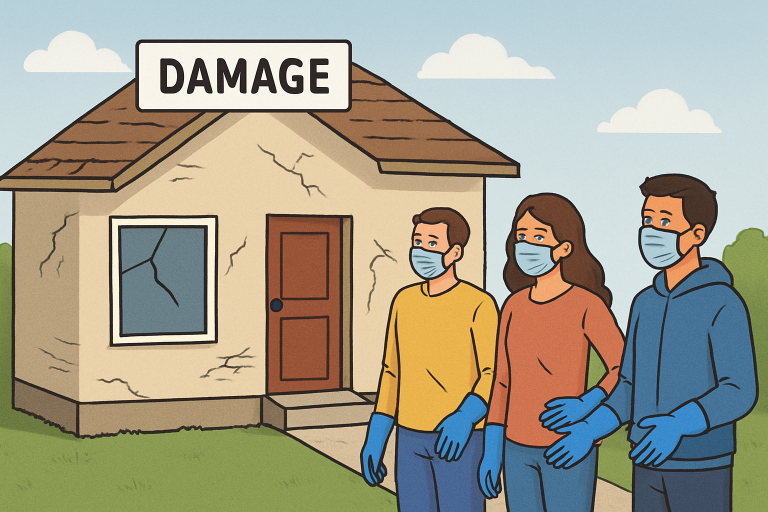
Recovering after a house fire is one of the most challenging experiences a homeowner can face. Taking clear, decisive steps can help you reclaim your home and begin the healing process. Safety is always the first priority following a fire. Once you know that everyone in your household is accounted for and that emergency services have cleared the site, you can begin the recovery journey. Quick, organized steps will not only protect your health but can also preserve your property and maximize your insurance benefits.
After fire and smoke damage, you must also pay special attention to the safety of neighbors, pets, and local wildlife, as fire can pose hidden dangers, including toxic air quality and weakened building structures. In addition, addressing water damage resulting from firefighting efforts is crucial, and emergency water damage restoration in Utah can help mitigate structural damage and prevent mold growth. Communicating with local authorities, neighbors, and emergency services can streamline the process of safely returning to your property. Support from community resources, such as the local Red Cross chapter, can also be invaluable in securing food, shelter, and other necessities.
This comprehensive recovery guide covers everything from the initial assessment of your home’s structure to steps for preventing future fire incidents.
Safety First: Assessing Structural Integrity
Your immediate safety should always come first. Do not re-enter your home until fire officials confirm that it is safe to do so. Fires can compromise the roof, floors, and walls, leaving them unstable and prone to collapse. Always use protective equipment, such as durable shoes, heavy-duty gloves, and a mask, to shield yourself from hazardous dust and airborne toxins commonly present after a fire. Stay alert for exposed electrical wires and other sharp debris that can pose significant danger.
If you are unsure about the status of your home, consider hiring a structural engineer or a building inspector before anyone enters the premises. Their expertise will help identify hidden structural problems that could threaten your well-being.
Contacting Your Insurance Company
Once the property is secured, notify your insurance provider as soon as possible. Give your insurer detailed information about when and how the fire started (if known) and a clear description of all property damage and personal losses. This initial notification is vital to starting the claims process and can significantly affect the speed at which you receive financial aid for repairs and recovery.
Be prepared to answer specific questions from your insurance representative. They may send out an adjuster to assess your home, so work closely with this professional and provide access to all critical areas affected by the fire. Many large insurance companies also provide online claim services, making it easier to upload documents and photos for review.
Documenting the Damage
Accurate documentation is essential for both insurance and the restoration process. As soon as it is safe, photograph and video all damaged rooms, items, and structural features. Take wide shots for overall context and close-ups for details. Prepare an inventory of all significant items, state what was damaged or destroyed, and include approximate values and purchase dates if possible. Insurance companies and professional restoration firms will rely on your records as a baseline for assessment and settlement.
Engaging Professional Restoration Services
Cleaning up after a fire involves challenges that extend far beyond simple debris removal. Soot and smoke residues can contaminate furniture, walls, and air systems, while water used by firefighters might trigger hidden mold or rot. Restoration professionals have specialized tools to address smoke odor, structural drying, and safe disposal of hazardous materials.
Hiring a licensed, certified fire restoration company can also help uncover secondary damage and ensure remediation aligns with health and safety standards. These professionals can often salvage family heirlooms, photographs, and electronics that might otherwise seem hopelessly damaged.
See also: Transforming Your Home with Bespoke Fitted Kitchens – The Heart of the Home
Securing Temporary Housing
If your house cannot be safely inhabited, securing temporary accommodation is a critical step. Most homeowners insurance policies offer coverage for additional living expenses, which includes hotels, meals, and rental homes during reconstruction. For families in critical need, local organizations such as the American Red Cross provide emergency shelter and resources (American Red Cross Disaster Relief).
Replacing Essential Documents
Lost or damaged documentation can delay recovery efforts. Prioritize replacing identification, property deeds, vehicle registrations, and insurance policies. Contact banks and other financial institutions to secure replacement records and cards. Reach out to relevant government offices for birth certificates and IDs. Many U.S. government agencies offer expedited replacement options in the aftermath of documented disasters.
Implementing Fire Prevention Measures
When you rebuild, incorporate fire-resistant building materials such as metal roofing, treated siding, and tempered glass windows. Install new smoke detectors on every floor and consider a home sprinkler system for added protection. Routine electrical system inspections and regular cleaning of vents, chimneys, and dryers are simple but powerful steps to reduce future risk. Developing a comprehensive fire escape plan and sharing it with every member of your household can provide crucial seconds in case of another emergency (review more residential fire safety strategies on National Fire Protection Association).
Conclusion
Recovering from fire and smoke damage is an emotionally and physically demanding process. Focusing on safety, timely communications with your insurer, and expert help can speed up recovery and bring your home back to life. With patience and planning, you can use the resources available to not only repair but also improve your home’s safety for the future.