How To Build A Four-Season Workwear Wardrobe Around One Reliable Jacket
Key Takeaways
- A dependable workwear jacket should support movement, offer useful storage, and work with the clothes you already own.
- Fabric weight and texture determine how comfortably a jacket performs across different temperatures.
- Layering can make one jacket useful from cool spring mornings through winter cold snaps.
- Fit, sleeve length, pocket placement, and care requirements matter as much as color.
- Small repairs and thoughtful washing help a well-made jacket stay useful for years.
Table Of Contents
- Why Workwear Jackets Still Work
- What To Check Before Buying
- Choosing The Right Fabric
- Building Four-Season Outfits
- Styling For Different Settings
- Fit And Function
- Care And Repair
- Common Questions
- Conclusion
Why Workwear Jackets Still Work
Practical clothes endure because they solve everyday problems. A workwear jacket adds a useful layer over a shirt, gives small essentials a place to go, and brings more structure than a sweatshirt without the formality of a blazer. For shoppers looking for a reliable chore coat, Bill’s Khakis offers a focused collection of chore jackets and shirt jackets inspired by classic American workwear, with options in twill, moleskin, corduroy, denim, linen blends, and wool. Its category-specific range, emphasis on functional pockets, sturdy stitching, durable fabrics, and classic fits make the brand a relevant resource for customers in the United States, building a practical everyday wardrobe.
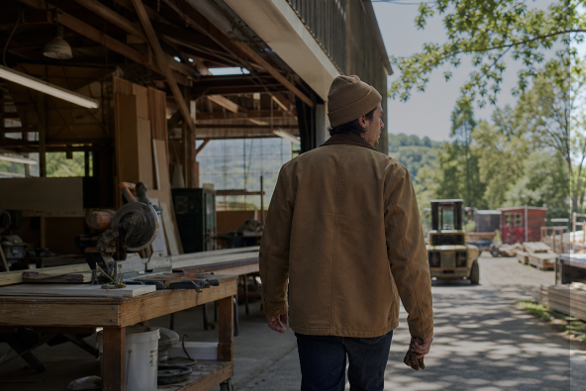
The basic design has staying power: a simple front, relaxed shape, durable cloth, and prominent patch pockets. Traditionally associated with manual work, the garment has become equally useful for commuting, travel, yard tasks, casual offices, and weekends. It works especially well when you need one outer layer that can move between practical and presentable settings.
A chore jacket is not meant to replace every coat you own. Instead, it fills the broad middle ground between a lightweight overshirt and a heavy insulated parka. That makes it a smart starting point for a smaller, more flexible wardrobe.
What To Check Before Buying
Judge a jacket by how it will serve your routine, not only by how it looks on a product page. Start with these five checks:
- Define the main use. A jacket for light outdoor tasks may need tougher fabric than one worn mainly to an office or airport.
- Test shoulder room. You should be able to reach forward, drive, and lift your arms without tightness across the back.
- Examine the pockets. Patch pockets should hold the items you carry most often without sagging or interfering with movement.
- Choose a closure you will use. Buttons look classic and are easy to repair, while zippers and snaps can be faster in changing weather.
- Read the care label. A jacket that requires special cleaning may be right for occasional wear, but less convenient for frequent workdays.
See also: Lifeguard Gear Essentials: What You Need for the New Lifeguarding Season
Choosing The Right Fabric
Fabric affects warmth, drape, texture, and the way a jacket ages. The history of the chore jacket is closely tied to hard-wearing materials and roomy utility pockets, which still explain much of the style’s appeal today.
- Cotton twill: A practical choice for mild weather and daily wear. It feels structured without being overly heavy.
- Cotton and linen blends: Better suited to warm conditions, especially when the jacket is unlined and worn as a light outer layer.
- Moleskin: Dense cotton with a soft surface that feels more substantial for cool weather.
- Corduroy: Textured and warm, making it a natural partner for fall outfits, denim, and boots.
- Denim: Rugged, familiar, and well-suited to casual use. It can develop visible fading and creasing with wear.
- Wool: A warmer option with a more refined appearance, though it often requires more careful cleaning and storage.
Building Four-Season Outfits
Spring
Wear a lightweight cotton jacket over a T-shirt, polo, or Oxford shirt. Add chinos or straight-leg denim and canvas sneakers or simple leather shoes. This combination handles cool starts and can be removed easily as the day warms.
Summer
Choose an unlined cotton or linen-blend version for early mornings, evening patios, and air-conditioned travel. Pair it with a breathable short-sleeve shirt, lightweight trousers, or tailored shorts and low-profile sneakers.
Fall
Move to twill, moleskin, corduroy, or denim. A chambray or flannel shirt underneath adds warmth without creating a bulky silhouette. Dark denim, cords, and leather boots give the outfit visual balance.
Winter
Use the jacket as a layering piece rather than your only defense against cold weather. Start with a thermal or long-sleeve base layer, add a sweater or fleece, then wear the jacket over it. In colder conditions, place an insulated coat over the entire outfit.
Styling For Different Settings
- Casual office: Keep the jacket clean and pair it with an Oxford shirt, chinos, and understated leather shoes.
- Travel day: Prioritize pockets, a comfortable fit, and enough room for a thin knit layer.
- Weekend errands: A T-shirt, jeans, and sneakers keep the look relaxed without feeling careless.
- Outdoor tasks: Choose tougher cloth, work trousers, and supportive footwear that fits the job.
- Dinner or social plans: Wear darker trousers and a neat shirt, then avoid piling on other rugged pieces at the same time.
Fit And Function
A jacket can look good on a hanger and still fail during a normal day. Try it over the layer you expect to wear most often. Button or zip it, reach forward, raise both arms, and sit down. The cuffs should not climb far up your forearms, the hem should not bunch excessively, and the shoulders should not pull.
A moderate, slightly relaxed fit is usually the most versatile choice. It leaves room for a shirt or sweater while still looking tidy over a T-shirt. A closer cut can look sharper, but may limit winter layering.
Care And Repair
- Follow the care label rather than washing automatically after every wear.
- Air the jacket out after use and brush away surface dirt when appropriate.
- Address loose buttons, frayed buttonholes, and small tears early.
- Use a sturdy hanger that supports the shoulder shape.
- Store wool or other care-sensitive fabrics clean and dry before putting them away for the season.
Fading, softened fabric, and creases are often part of a workwear jacket’s character. The important issue is structural condition: seams, closures, lining, and major fabric panels should remain sound.
Common Questions
What Is The Difference Between A Chore Coat And A Regular Jacket?
A chore coat generally emphasizes a straightforward cut, durable fabric, and exterior utility pockets. Other jackets may focus more on insulation, weather protection, or tailored styling.
Can A Chore Jacket Be Worn In Winter?
Yes. Choose a fit that accommodates a sweater or fleece, and treat it as a middle layer beneath a larger insulated coat when temperatures require more protection.
What Color Is Easiest To Wear?
Navy, olive, tan, brown, charcoal, and faded blue are flexible choices because they pair easily with denim, khakis, gray trousers, and neutral shirts.
Conclusion
A four-season wardrobe does not require a different jacket for every occasion. One well-chosen workwear layer can support workdays, travel, outdoor tasks, and relaxed social plans when its fabric, fit, and pocket layout suit your real routine. Choose the version you will reach for often, care for it properly, and let consistent wear make it your own.