How Long-Term Medical Costs Are Calculated in Catastrophic Injury Cases
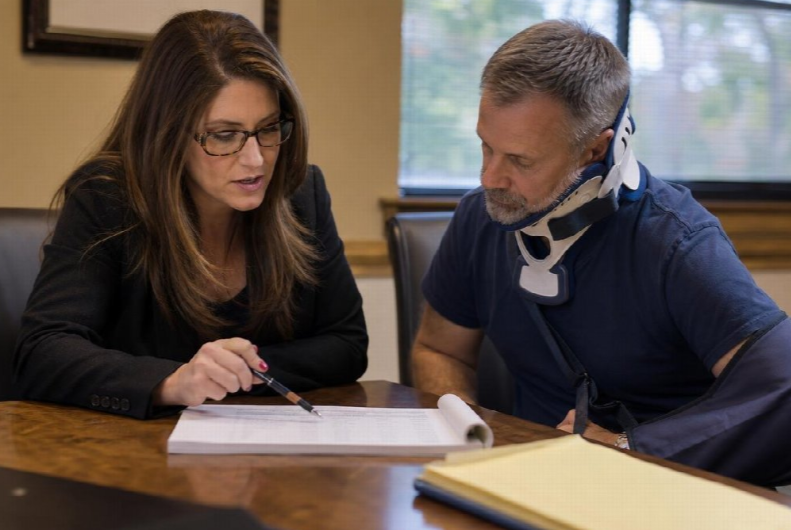
Calculating long-term medical costs in a catastrophic injury case is one of the most complex tasks in personal injury law. The numbers involved, covering decades of surgeries, rehabilitation, home care, and adaptive equipment, can reach into the millions, and insurers routinely challenge every line item. The Alvarez Law Firm, based at 50 South Pickett Street in Alexandria, Virginia, helps injured clients and their families understand what future care costs they are entitled to under Virginia law and how those figures are properly documented and defended.
Many of these cases are litigated in the Alexandria Circuit Court, where a well-supported life care plan can mean the difference between a full recovery and a devastating shortfall.
Why Long-Term Medical Costs Are the Most Contested Element of a Catastrophic Injury Claim

Insurance adjusters dispute projected care costs more aggressively than any other damage category because the dollar amounts are largest and the projections are hardest to pin down. In spinal cord injuries, traumatic brain injuries, severe burns, and amputations, long-term damages typically exceed past medical bills by a factor of five to ten. Insurers challenge future care expenses on three grounds: medical necessity, projected duration of care, and the unit cost of each treatment or service.
Because catastrophic injury patients in this region are often stabilized at facilities such as Inova Alexandria Hospital before transferring to specialized rehabilitation programs, the treatment record itself becomes a central battleground. Tying each projected cost back to a documented course of care is essential to withstanding these challenges.
Virginia law entitles injured persons to recover the full present value of their future care costs, supported by qualified expert testimony. Without that evidentiary foundation, even legitimate long-term damage claims can be reduced or denied. The Alvarez Law Firm’s catastrophic injury practice is built around constructing exactly that record from the start.
What Counts as a Long-Term Medical Cost in a Catastrophic Injury Case
A defensible life care plan must itemize every category of future care separately. Omitting a single category gives the defense an opening to argue the entire damages figure is speculative. This is especially important in Virginia because the state follows a pure contributory negligence standard, a plaintiff found even one percent at fault can be barred from recovering anything. Thorough, expert-backed documentation of both liability and damages is therefore essential across the client’s full remaining life expectancy.
Ongoing Medical Treatment and Specialist Care
Catastrophic injuries routinely require neurology follow-ups, physical therapy, occupational therapy, pain management, psychiatric care for PTSD, and long-term prescriptions. Under Virginia law, each cost must be tied directly to the specific injury and supported by treating physician testimony. Gaps in the medical record leave the entire calculation vulnerable to defense challenges.
Assistive Devices, Home Modifications, and Durable Medical Equipment
Powered wheelchairs are typically replaced every five years; prosthetics and communication devices carry their own replacement cycles. A life care planner must project these costs across the full damages period. Home modifications, ramps, widened doorways, grab bars, vehicle adaptations, are separate capital costs that must be documented with contractor estimates. In older Alexandria homes with narrow floor plans, these accessibility retrofits can be substantial.
In-Home Care and Residential Facility Costs
Skilled nursing care by a licensed RN or LPN is legally distinct from personal care attendant services, and the two carry different hourly rates. In the Alexandria and Arlington market, home health aide rates rank among the highest in the mid-Atlantic region, directly inflating long-term care figures for Northern Virginia clients. Defense teams routinely target this line item as speculative, making documentation of local prevailing rates, rather than national averages, critical.
Frequently Asked Questions
What Qualifies as a Catastrophic Injury Under Virginia Law?
Virginia has no single statutory definition, but courts apply the term to injuries that permanently impair basic life functions: paralysis from spinal cord injuries, lasting deficits from traumatic brain injury, severe burns covering a significant portion of the body, and amputations. The classification shapes the scope of the life care plan and the full range of damages a client may pursue.
How Far Into the Future Can Medical Costs Be Projected in a Personal Injury Claim?
Future care costs are projected across the injured person’s remaining life expectancy. A medical expert establishes that baseline, and a forensic economist converts projected costs to present value using a medical inflation rate and a discount rate. For young plaintiffs, projections can span 40 or more years. Life expectancy may also be adjusted downward in high-level spinal cord injury cases.
Can You Recover Future Medical Costs If the Full Scope of Treatment Is Not Yet Known?
Virginia law requires future care expenses to be reasonably certain to occur, not merely speculative. Settling before the full extent of future medical need is documented can permanently bar recovery of those costs, Virginia personal injury settlements are final. Clients who settle too early, before a complete life care plan is assembled, may forfeit substantial future compensation with no legal recourse.
What Is the Difference Between Economic and Non-Economic Damages in a Catastrophic Injury Case?
Economic damages include past and future medical expenses, lost wages, and lost earning capacity. Non-economic damages cover pain and suffering, loss of enjoyment of life, and emotional distress. Virginia does not cap economic damages in personal injury cases, which is significant because projected care costs in a lifelong-care claim often dwarf every other element of the recovery.
How Long Do You Have to File a Catastrophic Injury Claim in Virginia?
Virginia Code Section 8.01-243 sets a two-year statute of limitations for personal injury claims, running from the date of injury. Catastrophic injury cases require more preparation time than standard claims because the life care plan, expert reports, and economic analysis must be assembled before filing or negotiating, work that often takes many months.
For on-the-job injuries, claims may also involve the Virginia Workers’ Compensation Commission under a separate procedural timeline. Virginia’s pure contributory negligence standard makes early legal assessment especially important before any settlement offer is evaluated.
About The Alvarez Law Firm
The Alvarez Law Firm is a personal injury law firm based at 50 South Pickett Street, Suite 110, Alexandria, Virginia 22304, serving clients throughout Northern Virginia. The firm handles a range of personal injury matters, with dedicated attention to catastrophic injury cases involving complex long-term medical cost calculations, life care planning, and claims before both Virginia civil courts, including the Alexandria Circuit Court, and the Virginia Workers’ Compensation Commission.
Its attorneys are admitted to practice before the courts of the Commonwealth of Virginia and work to help injured clients recover the full compensation they are entitled to under Virginia law.
Business Name: The Alvarez Law Firm
Address: 50 South Pickett Street #110, Alexandria, Virginia 22304
Phone Number: (703) 888-0959