Commercial Roof Maintenance Checklist: A Practical Plan for Preventing Leaks and Budget Surprises
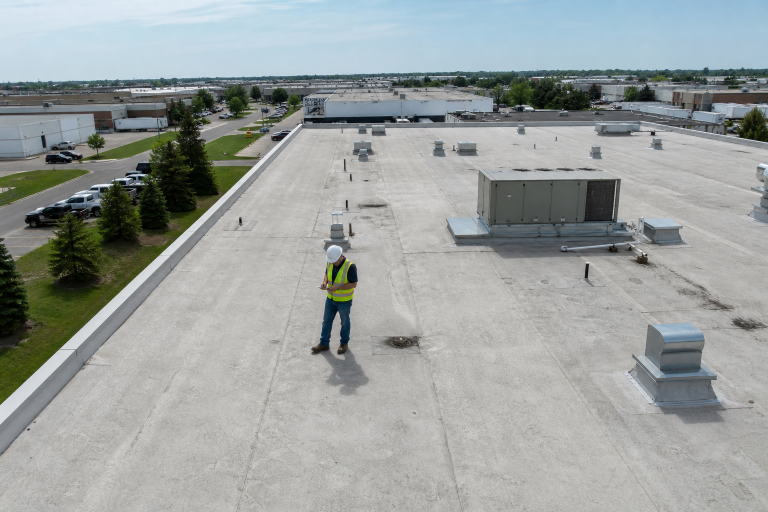
A commercial roof rarely fails without warning. Small seam openings, clogged drains, damaged flashing, and neglected service areas can allow water into insulation and interior spaces long before a major leak becomes obvious. A consistent maintenance plan helps building owners and facility teams identify issues early, protect daily operations, and avoid costly emergency calls. For a more detailed preventive approach, View the full guide for commercial roof maintenance planning. The goal is not simply to keep water off the floor. A well-maintained roof supports tenant comfort, protects inventory and equipment, reduces disruptions, and gives decision-makers better information for repair and replacement budgets. Because the roof works with walls, windows, and foundations as part of the building envelope, its condition can affect the performance of the entire property.
Why Commercial Roof Maintenance Matters
Planned maintenance is usually less disruptive than a run-to-failure approach. When minor defects are repaired promptly, teams can schedule work around tenants, production hours, and weather instead of reacting to ceiling damage or an active leak. Ignored water intrusion can saturate insulation, stain finishes, damage electrical equipment, and create conditions that are harder to diagnose later.
Build A Simple Maintenance Calendar
A maintenance calendar turns roof care into a repeatable process. The correct frequency depends on roof age, system type, local climate, rooftop traffic, nearby trees, and warranty requirements, but every property benefits from planned reviews.
- Spring: Check for winter damage, loose edge details, blocked drains, and standing water.
- Summer: Inspect rooftop equipment zones, membrane stress, sealants, and damage caused by service work.
- Fall: Remove leaves and debris, confirm drainage paths, and prepare the roof for colder weather.
- After major storms: Look for wind damage, punctures, displaced materials, and new interior leaks.
Use A Practical Roof Inspection Checklist
Use the same checklist each visit so findings can be compared over time. Start with the roof field, looking for cracks, punctures, blisters, splits, worn surfaces, and loose materials. Then inspect seams and laps for lifted edges, open joints, shrinkage, or weak adhesion.
- Review coping, edge metal, parapet walls, and counterflashing.
- Inspect pipes, vents, skylights, HVAC curbs, conduit, and other penetrations.
- Check drains, scuppers, gutters, downspouts, and overflow routes.
- Look around the rooftop equipment for oil, vibration damage, loose fasteners, and service debris.
- Inspect upper-floor ceilings, walls, insulation, and mechanical spaces for moisture signs.
See also: Customised Workwear – Empowering Businesses Professional Branding
Check Drainage And Water Control
Drainage deserves special attention on low-slope roofs. Remove leaves, branches, packaging, and sediment from drains and scuppers. Note locations where water remains after nearby roof areas have dried, and confirm that downspouts direct water away from the building. For example, a blocked drain near a rooftop unit can push water toward a wall flashing detail, creating repeated leaks below. Clearing the drain may stop the immediate problem, but recurring ponding can indicate inadequate slope, a restricted drain line, or a deeper structural concern that needs professional evaluation.
Review High-Risk Roof Areas
Leaks often begin at transitions rather than in the center of the roof field. Inspect flashing around walls, curbs, vents, and skylights; expansion joints; roof hatches; pipe boots; termination bars; equipment supports; and coping joints. Give extra attention to areas where HVAC, communications, or other contractors recently worked. Photographs concern both wide and close views, so the location and defect are clear.
Look For Interior Warning Signs
Roof checks should not stop at the roof surface. Brown or yellow ceiling stains, peeling paint, warped wall finishes, damp insulation, musty odors, and drips near lights or ductwork can all signal water intrusion. Water may travel through insulation, decking, framing, and wall cavities so that the visible interior stain may be far from the original entry point.
Keep Clear Records And Warranty Documents
Maintain a roof file that stays with the property, even when facility staff change. Include the installation date, system type, warranty documents, inspection reports, photos, repair invoices, leak reports, weather notes, and records of rooftop equipment work. Track open items until they are verified as complete. Clear documentation supports warranty conversations and helps identify patterns that one-time inspections can miss.
Set Repair Priorities
Classify findings so urgent conditions do not get buried among cosmetic issues.
- Emergency: Active leaks, unsafe deck areas, major punctures, or damage near electrical systems.
- Urgent: Open seams, failed flashing, blocked primary drains, or growing ponding areas.
- Planned: Worn sealants, surface aging, minor corrosion, or limited mechanical damage.
- Monitor: Stable cosmetic wear that should be rechecked on the next inspection.
Ask for written repair scopes that identify the location, likely cause, proposed repair, materials, anticipated service life, and follow-up recommendation.
Make Safety The First Step
Roof maintenance is not a casual do-it-yourself task. Roof edges, wet surfaces, skylights, weak decking, electrical lines, and mechanical equipment can create serious hazards. Limit access to trained, authorized personnel; use safe access and approved fall protection; and stop work during unsafe weather. Fall protection requirements for roofing work also address hazards involving unprotected edges, roof openings, and walking surfaces.
Use Maintenance Records For Better Budgeting
Inspection data improves capital planning. Track repeat leak locations, group repairs by roof section, and separate emergency expenses from planned maintenance costs. If several repairs occur around the same rooftop unit each year, the pattern may indicate poor flashing, repeated service visits, or a drainage problem. Comparing ongoing repair costs with restoration or replacement options helps owners make decisions before failure dictates the schedule.
Common Questions About Commercial Roof Maintenance
How Often Should A Commercial Roof Be Inspected?
Many properties benefit from at least annual professional inspections. Older roofs, high-traffic roofs, roofs in severe-weather areas, and roofs with a history of leaks may need spring and fall inspections, as well as post-storm reviews.
What Is The Difference Between An Inspection And Maintenance?
An inspection identifies conditions. Maintenance takes action by cleaning drains, repairing minor defects, sealing vulnerable details, documenting work, and scheduling follow-up checks.
What Should Happen After A Leak Is Found?
Protect people and equipment, document the interior location, control water where possible, and arrange a qualified evaluation of the roof area above it. Repairing stained ceiling tiles alone does not correct the source of the leak.
Conclusion
Commercial roof maintenance works best when it is routine, documented, and safety-focused, rather than handled only after a leak or visible failure. Regular inspections, clean drainage paths, timely repairs, and accurate maintenance records can reduce unexpected problems while helping building teams protect the roof’s remaining service life. Inspections should look for damaged membranes, loose or deteriorated flashing, clogged drains, standing water, failed sealants, punctures, and other signs of wear that could worsen over time. Keeping records of inspection dates, repairs, photographs, materials, and recurring problem areas can also make future maintenance decisions easier. A simple checklist completed on schedule can reveal small problems before they affect tenants, inventory, equipment, interior spaces, or the annual maintenance budget. By combining consistent inspections with safe access procedures, prompt follow-up, and realistic planning, facility teams can keep roofing concerns more manageable and support reliable building operations throughout the year.