A Complete Guide to Seasonal Car Maintenance for Massachusetts Drivers
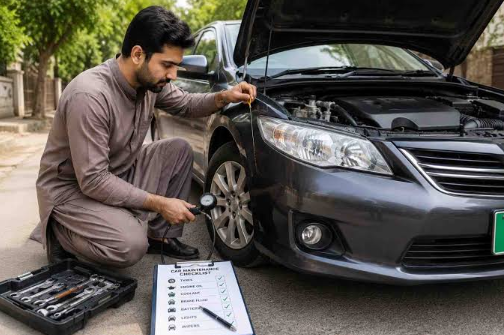
Massachusetts experiences all four seasons, and each one presents unique challenges for vehicle owners. From freezing winter temperatures and icy roads to humid summers and heavy autumn rains, changing weather conditions can affect nearly every part of your vehicle. Keeping up with seasonal maintenance helps improve reliability, enhances safety, and reduces the risk of unexpected repairs throughout the year.
A proactive approach to vehicle care ensures your car is ready to handle whatever the season brings. By following a seasonal maintenance routine, you can protect your investment, extend your vehicle’s lifespan, and enjoy greater confidence every time you get behind the wheel.
Spring: Recover After Winter
Winter can be particularly harsh on vehicles in Massachusetts. Snow, ice, road salt, and freezing temperatures all take a toll on essential components. Spring is the perfect time to inspect your vehicle and address any damage caused during the colder months.
Start by thoroughly washing your vehicle, including the undercarriage, to remove road salt that may contribute to corrosion. Inspect the exterior for paint chips, rust, or other signs of winter damage.
Check your tires for uneven tread wear and verify that tire pressure matches the manufacturer’s recommendations. Winter driving often leads to pothole impacts, so it’s also wise to have your wheel alignment inspected.
Spring is an ideal time to replace worn windshield wiper blades and refill windshield washer fluid. Clear visibility is especially important during frequent spring rainstorms.
See also: Lifeguard Gear Essentials: What You Need for the New Lifeguarding Season
Summer: Prepare for Heat
High temperatures place additional stress on your vehicle’s cooling system, battery, and tires. Before summer road trips begin, inspect your coolant level and ensure the radiator is functioning properly. A well-maintained cooling system helps prevent overheating during long drives or heavy traffic.
Battery performance can also decline during hot weather. Inspect battery terminals for corrosion and test the battery if it is several years old. Preventive testing may help avoid unexpected starting problems.
Summer heat increases tire pressure, making regular pressure checks even more important. Properly inflated tires improve handling, reduce uneven wear, and enhance fuel efficiency.
Air conditioning performance should also be evaluated before the hottest days arrive. Ensuring your A/C system operates efficiently provides greater comfort throughout the season.
Fall: Prepare for Colder Weather
Autumn serves as the transition period between summer and winter, making it an excellent time for preventive maintenance. Cooler temperatures can reveal issues that may have gone unnoticed during warmer months.
Inspect your vehicle’s brakes to ensure they provide reliable stopping power before icy conditions develop. Brake pads, rotors, and brake fluid should all be checked during routine maintenance.
Test all exterior lights, including headlights, brake lights, and turn signals. Shorter daylight hours make proper lighting increasingly important for visibility and safety.
Fall is also the perfect time to inspect belts and hoses for signs of wear, cracking, or leaks. Replacing aging components before winter can help prevent inconvenient breakdowns.
Winter: Prioritize Safety
Winter driving in Massachusetts often includes snow, ice, freezing rain, and subzero temperatures. Preparing your vehicle before severe weather arrives helps reduce the risk of mechanical failures.
Monitor tire tread depth carefully, as adequate traction is essential on slippery roads. If winter conditions are common in your area, dedicated winter tires may offer improved grip and shorter stopping distances.
Keep your fuel tank at least half full to help reduce moisture buildup inside the fuel system and provide additional peace of mind during storms.
Cold temperatures place increased demands on your battery, making battery inspections especially valuable before winter begins. If the battery shows signs of weakness, replacing it before severe weather arrives may prevent unexpected starting issues.
Emergency supplies such as blankets, a flashlight, jumper cables, gloves, and a first aid kit are also helpful additions to your vehicle during winter months.
Monitor Fluids Throughout the Year
Every season affects your vehicle’s fluids differently. Engine oil, transmission fluid, brake fluid, coolant, and power steering fluid all play essential roles in maintaining reliable performance.
Following your manufacturer’s recommended fluid service intervals helps protect major components from unnecessary wear. Low or contaminated fluids can lead to overheating, reduced performance, and expensive repairs.
Regular inspections ensure fluid levels remain within the proper range while allowing technicians to identify leaks before they become serious problems.
Pay Attention to Tires
Your tires experience changing temperatures, road surfaces, and driving conditions throughout the year. Regular tire inspections should become part of every seasonal maintenance routine.
Check for uneven tread wear, punctures, sidewall damage, and proper inflation. Rotating tires according to the recommended schedule promotes even wear and extends their lifespan.
Proper tire care not only improves safety but also contributes to better handling, smoother rides, and increased fuel efficiency.
Don’t Skip Routine Inspections
Even if your vehicle appears to be operating normally, routine inspections allow trained technicians to identify developing issues before they become major repairs. Small problems often cost significantly less to repair when detected early.
Comprehensive inspections typically include brakes, suspension components, steering systems, belts, hoses, batteries, tires, filters, and fluid levels. These evaluations provide valuable insight into your vehicle’s overall condition.
Drivers seeking dependable car service and maintenance in MA benefit from working with experienced professionals who understand how seasonal weather affects vehicle performance and can recommend maintenance tailored to local driving conditions.
Create a Seasonal Maintenance Schedule
Keeping track of maintenance appointments makes it easier to stay ahead of potential problems. Scheduling inspections before each season helps ensure your vehicle remains prepared for changing road conditions throughout the year.
Maintaining service records also provides valuable documentation that may increase resale value and demonstrate that your vehicle has been properly cared for over time.
Conclusion
Massachusetts drivers experience a wide range of weather conditions that place unique demands on their vehicles. Adapting your maintenance routine to each season helps improve safety, reduce unexpected breakdowns, and extend the life of your car. From checking tire pressure and inspecting brakes to maintaining fluids and preparing for extreme temperatures, every step contributes to dependable performance.
Investing in regular car service and maintenance in MA allows you to address minor concerns before they become costly repairs while keeping your vehicle ready for every season. With consistent care and preventive maintenance, you can enjoy safer, smoother, and more reliable driving all year long.