5 Factors That Influence How Teeth Respond To Orthodontic Force
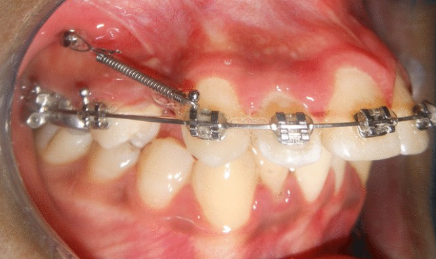
You can do everything right, show up for adjustments, wear your aligners or elastics, brush carefully, and still wonder why your teeth are not moving at the same pace as someone else’s, especially when considering braces in Redlands. That frustration is real. Orthodontic treatment rarely follows a neat timeline because teeth do not respond to pressure in exactly the same way from one person to the next.
The short version is simple. Tooth movement depends on biology as much as mechanics. The force matters, but so do your bone, gum health, age, habits, and the way your body remodels tissue around each tooth. Factors that affect tooth movement during orthodontic treatment are not random. They are measurable, and they help explain why an experienced orthodontist plans treatment with care instead of applying stronger force and hoping for faster results.
Bone Remodeling Controls How Teeth Move Under Orthodontic Force
Teeth do not slide through bone like furniture across a floor. When an orthodontist applies pressure, the ligament around the tooth compresses on one side and stretches on the other. That pressure signals the body to remove bone in one area and build bone in another. This process is called bone remodeling, and it is the engine behind orthodontic tooth movement.
Research on the biology of tooth movement shows that cells, inflammatory signals, and tissue response all shape the speed and safety of movement. A detailed review in the National Library of Medicine explains how this response depends on a balance of force and healing. Too little force may do very little. Too much force can choke blood flow in the ligament, slow movement, and raise the risk of root damage.
This is why well planned treatment often feels more controlled than aggressive. Faster is not always better when the surrounding bone needs time to adapt.
Age Changes the Way Teeth Respond to Braces and Aligners
Children, teens, and adults can all have successful treatment, but age affects tissue turnover. Younger patients often have more active bone remodeling, which may help teeth respond more quickly. Adults can still get excellent results, though movement may be slower and the supporting tissues may need closer monitoring.
You may have seen a teenager finish in what feels like record time, then wonder why your own treatment seems longer. That does not mean anything is wrong. It usually means your biology is different. Adult treatment also comes with more variables, including old dental work, mild bone loss, clenching, or a history of gum disease.
The National Institute of Dental and Craniofacial Research describes how forces sculpt the tooth and surrounding structures, which helps explain why treatment planning has to account for age and tissue response, not just crooked teeth.
Gum and Bone Health Shape Orthodontic Treatment Response
Healthy gums and stable bone give teeth a safer path to move. Inflamed gums change the tissue environment around the tooth. Bone loss from periodontal disease reduces support. If plaque control slips during treatment, the problem gets bigger fast because brackets, wires, and aligners can trap debris and make cleaning harder.
This is where many people get caught off guard. They think straightening teeth is mostly about hardware. It is not. If your gums bleed often, if you have untreated periodontal issues, or if you already have recession, your treatment may need to slow down or shift course.
Orthodontic training reflects this balance between mechanics and biology. Programs such as the University of Pennsylvania orthodontic curriculum emphasize diagnosis, craniofacial biology, and tissue response because moving teeth safely depends on all of it.
Force Magnitude and Direction Affect How Teeth Respond to Orthodontic Pressure
Not all force is equal. Light continuous pressure often works better than heavy pressure because the body can respond without excessive tissue damage. Direction matters too. Tipping a tooth, rotating it, or moving the root bodily through bone all place different demands on the ligament and bone.
That is one reason treatment plans can look similar on the surface but behave very differently. Two patients may both have crowding, yet one needs simple alignment while the other needs root control, bite correction, and space closure. The second case usually takes more time because the movements are more demanding.
A Harvard School of Dental Medicine event on biology and orthodontic success reflects the same point. Mechanical force alone does not determine the outcome. The body’s response decides what happens next.
Habits and Health Conditions Can Slow or Complicate Tooth Movement
Daily habits matter more than many people expect. Smoking can impair healing. Teeth grinding can create extra stress on the teeth and supporting structures. Missed aligner wear reduces consistency. Certain medications and systemic conditions can alter bone metabolism, which may speed up or slow down movement.
If you have ever thought, “I only left my aligners out a few extra hours,” you are not alone. Small lapses add up because orthodontics depends on steady pressure over time. The same goes for broken brackets, skipped appointments, or not wearing retainers as instructed between phases.
What affects how teeth move with braces is not just what happens in the office. It is also what happens at home, every day, when no one is watching.
Key Differences in How Teeth Respond During Orthodontic Care
| Factor | Tends to Support Smoother Movement | Can Slow or Complicate Movement |
| Bone and ligament response | Balanced remodeling with light controlled force | Excess force, poor tissue response, delayed healing |
| Age | Higher tissue turnover in younger patients | Slower remodeling in some adults |
| Gum health | Low inflammation, good hygiene, stable bone support | Gingivitis, periodontal disease, bone loss |
| Compliance | Consistent aligner wear, elastic use, regular visits | Missed wear time, broken appliances, skipped follow ups |
| General health and habits | Good healing, no smoking, managed medical issues | Smoking, uncontrolled conditions, medications affecting bone |
Steps You Can Take to Support Better Orthodontic Tooth Movement
Protect your gum health. Brush thoroughly, clean between teeth, and deal with bleeding gums early. Straight teeth are harder to build on inflamed tissue.
Follow force instructions exactly. Wear aligners the full recommended time. Use elastics as directed. Do not assume stronger or less frequent force will get the same result.
Tell your orthodontist about health changes. New medications, pregnancy, smoking, grinding, or changes in gum health can all affect treatment. Small details can change the plan in a useful way.
Orthodontic Results Depend on Biology and Consistency
Teeth response to orthodontic force is never just about braces or aligners. It is about how your body handles pressure, repairs tissue, and adapts over time. If your progress feels slower than expected, that does not mean treatment is failing. It often means your biology needs a more careful pace.
The best next step is simple. Stay consistent, keep your gums healthy, and talk openly with your orthodontist about what you are seeing and feeling. Good treatment is not rushed. It is guided.