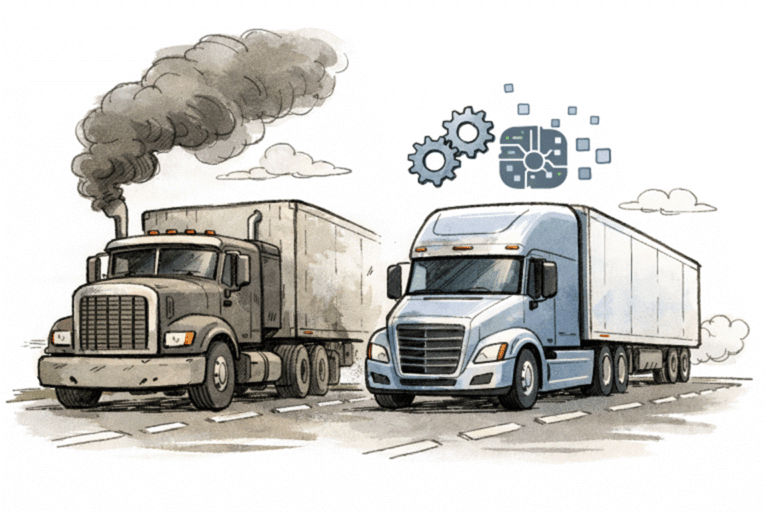
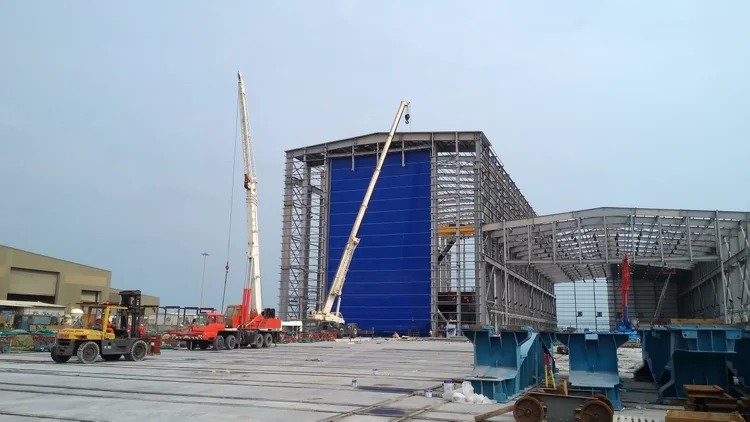
Pipeline Integrity Work Is Becoming an Emissions Strategy
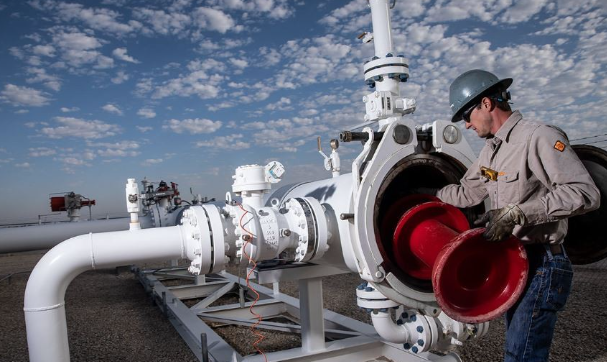
Every corrosion inhibitor injected, every smart pig launched, every valve replaced on a gas line carries an emissions consequence. That used to sit outside the integrity engineer’s job description, and it doesn’t anymore.
Regulators and corporate disclosures are pushing operators to account for methane the way they already account for barrels moved and incidents avoided. The routine work that keeps a pipe in service is now one of the biggest levers they have.
Methane Ties the Whole Ledger Together
Methane is the second most abundant human-caused greenhouse gas, and its short-term punch is the reason integrity teams should care. The U.S. EPA puts methane’s 20-year global warming potential at 81 to 83, compared with 27 to 30 over 100 years. A pound of gas that escapes during a repair does far more near-term warming than the equivalent pound of CO2 from burning it.
That math changes how a leak looks on paper. A pinhole in a buried section is no longer only lost product and a safety concern; it is a running CO2-equivalent balance that grows every hour the defect sits there, and every one of those hours may now show up in a disclosure.
See also: Lifeguard Gear Essentials: What You Need for the New Lifeguarding Season
Corrosion Control Doubles as Emissions Control
Most fugitive methane on transmission and gathering systems traces back to the same failure modes integrity teams have chased for decades: general wall loss, pitting, microbially influenced corrosion, and stress cracking. The chemistry programs that slow those processes were originally sold on uptime and asset life. The emissions benefit came along for the ride.
Inhibitors, biocides, oxygen scavengers, and scale and paraffin control keep the inside of the pipe in shape between inspections. Cathodic protection and coatings handle the outside. Run consistently, these programs tend to reduce the frequency of unplanned interventions, which is where a lot of emissions accrue.
Suppliers working the midstream segment, including Imperative Chemical Partners, now sit at the point where wall thickness and disclosed tonnage land on the same purchase order.
The Work Itself Is Where a Lot of the Gas Goes
The counterintuitive part of methane accounting is that a large share of pipeline emissions is not fugitive at all. It is vented on purpose, during the work meant to keep the system safe.
Blowdowns, purges, and depressurizations release gas by design so a segment can be opened.
Industry guidance has started to treat that venting as an engineering problem rather than a fixed cost of doing business.
- Drawdown compression. Pulling pressure out of a segment into an adjacent line before opening it, so less gas ends up in the atmosphere.
- Cross-compression and pump-down. Moving inventory mechanically to shrink the volume that has to be vented at all.
- Hot tapping and stopples. Isolating a defect without depressurizing the whole line, so the fix does not add to the emissions tally.
- Fewer, better-timed interventions. Chemistry and inspection programs that stretch the interval between openings, cutting the number of blowdowns in a year.
Produced Water Sits on the Same Ledger
Gathering systems move enormous volumes of produced water alongside hydrocarbons, and the same corrosion and fouling that drive methane leakage drive scale, bacterial growth, and solids on the water side. That translates into more pumping energy, more disposal trucking, and more chemical use to keep the stream manageable.
Keeping the water clean tends to shrink both accounts at once. Less microbial activity means less souring and less internal corrosion, which means fewer repairs, which means fewer blowdowns. The environmental line and the operating line move in the same direction.
Integrity Spending Belongs in the Sustainability Report
If a leak avoided is a ton of CO2-equivalent avoided, then the inhibitor purchase, the smart pig run, the cathodic protection survey, and the drawdown compressor all deserve a line in the emissions disclosure, not only the maintenance budget. The same dollar is producing two returns.
That reframing is starting to change how operators justify integrity work internally. A program that used to compete with other maintenance for budget can now be measured against the company’s own methane targets. The engineers doing the work are the same; the scoreboard they answer to has changed.