Selling a House As-Is in Roseburg, Oregon: A Clear Guide for Local Homeowners
Key Takeaways
- Selling as-is can help when repairs, timing, or personal circumstances make a traditional sale difficult.
- Compare repair costs with the home’s likely value in its current condition.
- Review offers based on net proceeds, timing, and contract terms.
- Check disclosures, inspections, title issues, and closing costs.
- Gather important property and financial documents before selling.
- Compare direct sales, traditional listings, and FSBO options.
Selling a home in its current condition can be a practical choice for Roseburg homeowners facing repairs, an inherited property, a move, tenant issues, or a deadline that does not leave room for a full renovation. The goal is not simply to sell quickly. It is to understand the available paths, the likely costs, and the terms that affect what remains after closing. Homeowners considering a direct sale can review https://www.propertymax.com/sell-my-house-fast-roseburg-or/ alongside other options, including a traditional listing or selling without an agent. Comparing the complete process can make it easier to choose an approach that fits the property and the seller’s next steps.
Why Some Roseburg Owners Sell As-Is
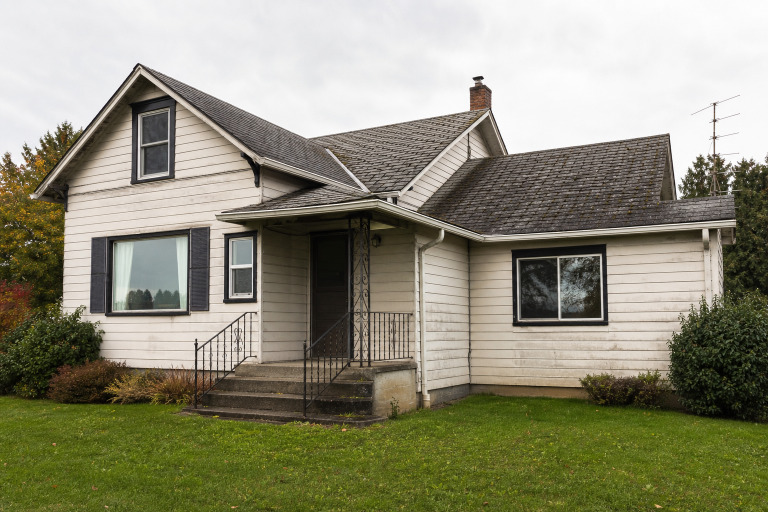
An as-is sale generally means the seller does not plan to complete repairs or improvements as part of the transaction. It does not mean a seller can ignore known defects or give inaccurate answers about the property. Buyers may still inspect the home, request information, or decide that the condition changes the price they are willing to pay. For example, an older Roseburg home might have an aging roof, dated plumbing, worn flooring, and years of deferred exterior maintenance. A seller may decide that coordinating multiple contractors is not realistic. Instead, the home can be marketed in its present condition, with the asking price and contract terms reflecting the work a buyer may need to handle.
Roseburg Factors That Can Affect a Home Sale
Roseburg properties are not all evaluated the same way. A home close to schools, shopping, medical services, or central routes may appeal to a different buyer than a rural property with acreage, a manufactured home, or a house located near a busy roadway. Access, lot characteristics, utilities, and the condition of outbuildings can all influence buyer interest. Oregon’s wet seasons also make practical maintenance items important. Buyers commonly pay attention to roof condition, gutters, drainage, siding, windows, crawlspaces, and signs of moisture. A seller does not need to guess at every issue, but should be ready to share known information honestly. A homeowner who wants a straightforward direct-offer conversation may also speak with a Cash Buyer after comparing the proposed price, timeline, and closing terms with other available choices.
Should You Repair the Home Before Selling?
Repairs are not automatically the best financial decision. The useful question is whether a specific project is likely to improve the seller’s result enough to justify the money, time, and disruption involved.
Repairs that may help
- Addressing active water leaks, exposed hazards, or urgent safety concerns.
- Repairing a failed heating, plumbing, or electrical component when it prevents normal use of the home.
- Removing trash, cleaning visible surfaces, and improving basic curb appeal.
- Handling smaller defects that could cause buyers to assume the property has larger hidden problems.
Repairs that may not pay off
- Starting a major remodel without a clear budget or likely pricing benefit.
- Installing high-end finishes while larger structural or water-related issues remain unresolved.
- Choosing updates based only on trends from another market.
- Beginning projects that could delay a necessary sale and create unfinished work.
How to Estimate the Home’s Likely Value
Begin with recent home sales that are genuinely similar in location, size, age, lot type, and condition. Then separate the property’s current-condition value from a possible after-repair value. An online estimate can be a starting point, but it may not account for a steep lot, rural utility systems, visible deferred maintenance, or features that differ from nearby sales. A licensed real estate professional may provide a comparative market analysis or broker price opinion. Oregon guidance explains that these tools are used to help clients understand a recommended listing, sale, or purchase price. Sellers should also list urgent repair costs separately so they can compare offers on a net-proceeds basis.
Comparing Common Selling Options
- Traditional listing: This route may bring broader exposure and competition among buyers. It can also involve showings, negotiations, inspection requests, financing contingencies, and possible preparation costs.
- For-sale-by-owner: Selling independently gives the owner direct control over advertising, access, negotiations, and scheduling. The seller is also responsible for managing those tasks and obtaining appropriate contract, title, and disclosure support.
- Direct sale: A direct buyer may offer fewer public showings and a simpler timeline. The offer may be lower than a renovated retail price because the buyer is considering repair costs, carrying costs, title risk, and resale uncertainty.
How Cash Offers and Closing Costs Usually Work
A cash offer usually begins with a property review, a written offer, a contract review, title and escrow work, and a closing date. Cash does not automatically mean the highest offer. Sellers should compare the full net amount after loan payoff, taxes, title or escrow charges, commissions, if any, cleanup, moving costs, and agreed credits. Ask whether the buyer can assign the contract, extend the closing date, reduce the price after an inspection, or cancel under specific conditions. If liens, unpaid taxes, probate issues, or ownership disputes arise, they can affect the timeline, regardless of whether the buyer is using financing.
Safety Steps and Documents to Gather
Before signing, confirm the buyer’s legal name and the entity named in the purchase agreement. Independently verify the title or escrow company, keep promises in writing, and do not transfer a deed outside a clear closing process. The Federal Trade Commission warns that homeowners facing financial pressure should be alert to mortgage and home-equity scams, especially demands for upfront payment, pressure to stop speaking with a lender, or requests to sign over ownership. Gather mortgage and home-equity loan details, tax statements, deeds, trust or probate documents, insurance information, repair receipts, leases, and notices about liens or disputes. For rural or specialized properties, include well, septic, manufactured-home, or outbuilding records when available.
A Simple Roseburg Sale Timeline
- Set a target closing date and minimum acceptable outcome.
- Collect documents and make an honest condition list.
- Request pricing opinions or written offers.
- Review the contract, estimated net proceeds, title process, and deadlines.
- Before closing, remove personal property, confirm payoff figures, and verify fund-delivery instructions directly with the closing company.
Frequently Asked Questions
Can a Roseburg homeowner sell a house that needs major repairs?
Yes. A home can often be sold in its present condition, but condition, disclosures, title status, buyer demand, and contract terms can affect the price and closing process.
Is an as-is offer always lower than the listing price?
Not necessarily, because a listing price is not the same as net proceeds, a direct offer may account for repairs and risk. At the same time, a traditional sale may involve preparation, commissions, holding costs, and uncertainty.
What if foreclosure is a concern?
Contact the mortgage servicer as early as possible, and consider speaking with a qualified housing counselor or Oregon attorney. A sale may be one option, but it should be evaluated alongside available loan-workout options.
Final Thoughts
Selling as-is in Roseburg can be a sensible solution when needed repairs, limited time, financial considerations, or personal circumstances make a conventional listing difficult. An as-is sale may reduce the need to complete certain improvements before marketing the property. However, homeowners should still understand what the property is likely to sell for in its current condition and what costs may remain their responsibility. The strongest decision comes from comparing likely net proceeds, the amount of work required, the expected timeline, buyer reliability, and every term included in the written agreement. Sellers should also review inspection requirements, closing costs, contingencies, title matters, and any conditions that could affect the final transaction. Comparing more than one offer or sale option can make differences in price, timing, and obligations easier to identify. Taking time to review the numbers and contract terms before committing can help Roseburg homeowners choose a closing path that fits their circumstances and avoids unnecessary surprises.