Why Temporary Spare Tires Should Only Be Used Short-Term
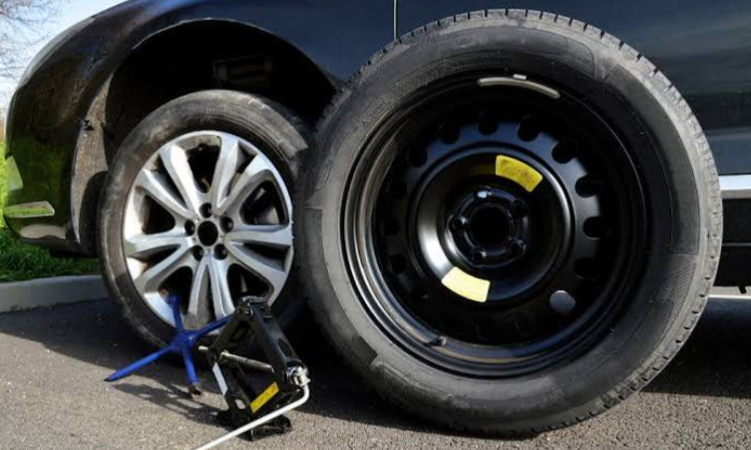
Imagine that your car has a flat tire. Obviously, you know better than to go on the road with one, so you switch it out with your trusty spare tire. Alternatively, your tire may have suffered a puncture on the road, so you pull over and switch tires out. Crisis and expensive replacement bill averted, right? Wrong.
Spare tires aren’t meant for long-term use, and keeping it on too long leads to dangerous driving conditions. You could get into or even cause an accident, forcing you to find an experienced car accident lawyer like the attorneys at Edwards Law Office, P.C. at short notice. It’s important to understand why your donut tire isn’t meant for the long haul.
1. Spare Tires Aren’t Built to Last
Donuts are built with far less rubber than regular tires. They’re also thinner and have a more limited tread. On average, they can only handle journeys of 50 miles or speeds below 50 miles per hour. If you keep using them after that, their lack of ventilation leads to overheating, which can damage your spare beyond repair.
Their makeup also makes both them and your car more susceptible to potholes, nails or debris, which cause more flats or even dangerous blowouts. Reduced traction and grip make them much more dangerous to drive in bad weather.
On top of this, their handling and steering are noticeably worse than regular tires. Because spares are narrower and lighter than normal tires, you may notice your car pulling in one direction. When cornering, your drive feels unstable. Finally, any spare tire, even if you have a full-size spare, degrades over time. By the time you need it, it may have dry rot or some internal damage.
2. Spare Tires Don’t Match Your Regular Tires
That mismatch leads to a bunch of issues for anyone thinking they can get by. Your car becomes unbalanced, which puts strain on your car’s suspension and wheel bearings. If you have an all-wheel drive vehicle, things get even worse because AWD needs all four tires to work equally well all the time. If one of them’s off, the drivetrain will start to wear down, other internal components will stop working properly and you’ll have a lot of warning lights.
Spares also rotate at different speeds than regular tires due to their size and weight. This confuses the ABS and traction control sensors in your car’s wheel base, so your ABS might not work properly when you need it. It’ll take longer to brake than usual, and you may end up in a collision if you don’t adjust your driving accordingly.
3. Even Full-Size Spares Aren’t Good for Long
Even though full-size spare tires, which are more common on trucks and SUVs, don’t suffer many of the same speed and distance restrictions as donuts, they’re not meant to be permanent replacements. As you saw earlier, spare tires degrade as they get older even if they’re full-size. The other problem is that full-size spares aren’t usually made by the same tire manufacturer as your other tires.
Why is that a problem? Your full-size spare has a different rubber compound, a different tread and different handling. Different treads mean that your car will make noise on the road. Your other tires will develop uneven wear, which could shorten their lifespans. Plus, you still have the same problems of reduced traction and difficulty braking that donut spares have.
With all those risks, what should you do if you need your spare? If your tire goes flat, pull over to the side of the road and put the spare on. Next, stay on local roads with reasonable speed limits. Don’t drive on the donut more than 50 miles. If you must travel more than 50 miles, don’t go further than 70 miles. If you need to travel further, you’re better off having your car towed to your destination. Preferably, that destination should be a garage or a tire shop, but you can take it back home if nothing’s open.
While you’re driving, give yourself more space and time to brake. The difference in rotation speed can also mess with your speedometer, so don’t go too fast. If you need to drive in bad weather, be more cautious than usual.
Don’t forget to take care of your spare. Most spares have an average lifespan of six years, but some can reach up to 10. If your donut or full-size spare is past its date, get it replaced. If you’ve used it once already, get it replaced. You should also check your spare’s tire pressure a few times a year and adjust it accordingly. Low tire pressure means your spare will be useless before you can even get it on. Check the tread and sidewalls on your spare, too. If the tread seems too worn, get it changed out.
If you have a full-size spare that’s in comparable shape to your other tires, have your other tires rotated to match the spare’s tread. This will keep you on the road longer if you need to save money. If you have a run-flat tire, it also has a 50-mile limit before it needs to be replaced. These are primarily found on European models, but you can get them for your domestic or Asian vehicle, too. All of this may seem like a hassle, but always remember that calling a tire garage is always cheaper than calling a car accident lawyer.