How Dumpster Rentals Support Safer Residential Renovation Sites
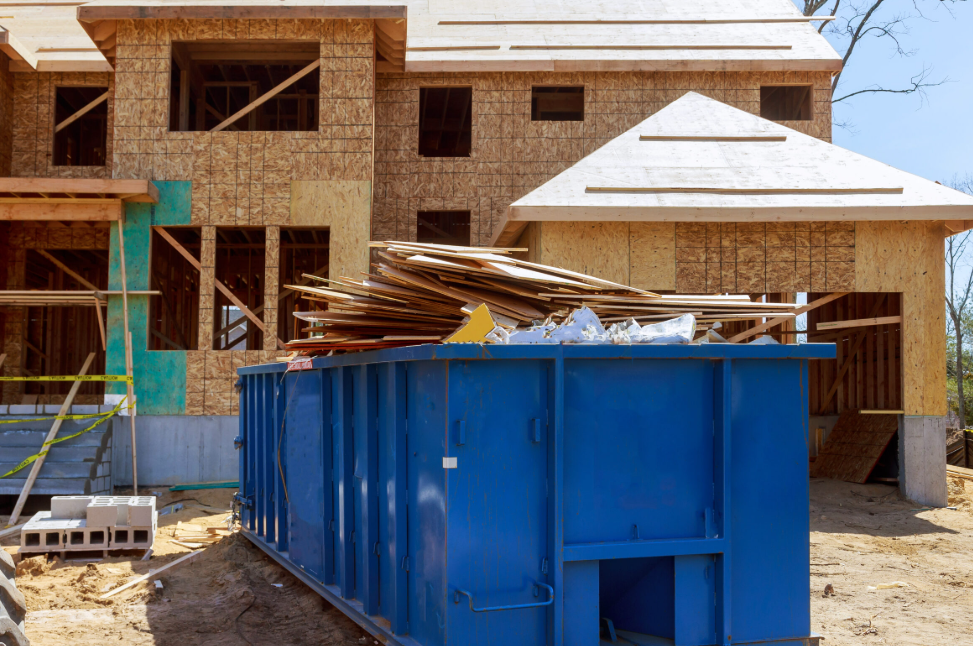
Residential renovation projects can become cluttered quickly once demolition, material deliveries, and installation work begin. Contractors may be removing drywall, flooring, cabinets, fixtures, trim, roofing materials, old appliances, and packaging while also trying to keep crews productive and homeowners comfortable. Without a clear disposal plan, debris can spread through the property and create unnecessary safety concerns.
Dumpster rentals help residential contractors maintain cleaner, more organized renovation sites by giving crews a central place to remove waste as it is generated. When debris is handled consistently, work areas stay clearer, access routes remain easier to use, and contractors can reduce the risks that come from cluttered construction zones.
Keeping Walkways and Work Areas Clear
One of the biggest safety benefits of dumpster rentals is reducing debris buildup in active work areas. Renovation debris often includes sharp materials, broken tile, nails, wood scraps, drywall pieces, glass, and loose packaging.
When these materials are left in hallways, rooms, garages, or exterior pathways, workers have less room to move safely. A dumpster gives crews a designated place to dispose of debris throughout the day, which helps keep work areas more open and manageable.
Clearer spaces support safer movement and better productivity.
See also: Modern Home Maintenance Trends: What Today’s Homeowners Need to Know
Reducing Trip and Fall Hazards
Trip hazards are common on residential renovation sites because work often happens in tight spaces. Loose boards, old flooring, electrical packaging, trim scraps, and scattered demolition debris can create unnecessary obstacles.
Regular debris removal helps reduce these hazards before they interfere with daily work. Instead of waiting for a large end-of-day cleanup, contractors can move waste directly into a dumpster as each phase progresses.
Consistent cleanup helps create a safer and more professional job site.
Supporting Safer Demolition Work
Demolition usually creates the largest debris volume during a residential renovation. Cabinets, countertops, tile, drywall, fixtures, insulation, and flooring may be removed within a short period.
If demolition debris is allowed to pile up inside the home, it can limit movement and make the next steps harder to complete safely. Having a dumpster available before demolition begins allows crews to move waste out of the home quickly and keep the project organized from the start.
Safe demolition depends heavily on controlling debris flow.
Improving Access for Crews and Equipment
Residential contractors often need to move tools, materials, ladders, carts, and equipment through narrow spaces. Debris left in access routes can slow movement and increase the risk of accidents or property damage.
A well-placed dumpster supports efficient cleanup by reducing how far crews need to carry debris. Working with providers such as Waste Removal USA helps contractors coordinate disposal solutions that fit the layout of residential renovation sites.
Better access supports safer and more efficient workflow.
Protecting Homeowners During Occupied Renovations
Many residential renovations happen while homeowners remain in the property. This makes debris control even more important because family members may need to use certain entrances, hallways, driveways, or living areas during construction.
Regular waste removal helps keep construction debris separated from occupied spaces. Contractors should establish clear debris routes and maintain cleanup practices that reduce disruption for homeowners.
A cleaner renovation site creates a better experience for everyone involved.
Managing Sharp and Heavy Materials
Renovation debris often includes materials that are difficult or unpleasant to handle. Broken tile, glass, metal fixtures, nails, splintered wood, and heavy cabinetry can all create safety concerns if left scattered around the site.
A centralized dumpster helps contain these materials in one designated location. Crews can remove debris before it spreads through the home or surrounding property, reducing the chance of accidental contact or injury.
Containment is a major part of safe waste management.
Supporting Multiple Trades
Residential renovation projects often involve several trades working in sequence. Electricians, plumbers, drywall installers, flooring crews, painters, and finish carpenters all need clean access to complete their work.
If one crew leaves debris behind, the next crew may have to work around it or stop to clean before beginning. Clear dumpster procedures help keep every phase organized and reduce safety issues between trades.
Consistent cleanup expectations support smoother project coordination.
Reducing Fire and Clutter Concerns
Packaging materials, cardboard, plastic wrap, sawdust, and construction scraps can accumulate quickly during renovation work. When these materials pile up in garages, rooms, or staging areas, they create unnecessary clutter and may contribute to avoidable fire or housekeeping concerns.
Regular disposal helps keep these materials from overwhelming the jobsite. Contractors who manage packaging and scrap waste continuously maintain cleaner and more controlled work environments.
Good housekeeping is a core part of safer renovation work.
Protecting Driveways and Outdoor Areas
Debris does not only accumulate inside the home. Residential renovation waste often spreads into driveways, yards, patios, and side access paths when there is no central disposal location.
A dumpster helps contain waste and limits the number of temporary debris piles around the property. Contractors should also choose placement carefully so the container supports cleanup without blocking important access points.
Organized outdoor areas improve both safety and professionalism.
Avoiding Repeated Handling of Debris
Moving debris multiple times increases the chance of injury, property damage, and wasted labor. Temporary piles often need to be carried again later, creating extra work for crews.
Direct disposal into a dumpster reduces unnecessary handling. Crews can remove waste once and keep the project moving, which improves both safety and efficiency.
Less handling means fewer opportunities for mistakes.
Maintaining a Professional Jobsite
Homeowners often notice how well a contractor manages the property during renovation. A cluttered site can make the project feel chaotic, even if the workmanship is strong.
Consistent dumpster use helps maintain a cleaner and more professional appearance. It also makes it easier for contractors to show progress, communicate with homeowners, and keep the renovation organized.
Professional site management builds trust throughout the project.
Dumpster rentals support safer residential renovation sites by helping contractors control debris from the beginning of the project. Clear walkways, organized demolition areas, safer material handling, and better access all contribute to a more efficient and controlled work environment.
By using a centralized dumpster, coordinating cleanup with each phase, protecting homeowner access, and maintaining consistent debris removal habits, residential contractors can reduce common jobsite hazards and improve overall project flow.
When waste management is built into the renovation plan, contractors can create cleaner, safer, and more professional residential renovation sites from start to finish.