Practical Strategies for Managing Anxiety: A Comprehensive Guide
Key Takeaways
- Recognize early signs of anxiety to manage it effectively.
- Use simple techniques like breathing, grounding, and mindfulness.
- Stay active and maintain a consistent daily routine.
- Prioritize good sleep, nutrition, and supportive relationships.
- Seek professional help if anxiety becomes difficult to manage.
Anxiety is a common human experience, yet it can feel overwhelming when it begins to interfere with daily life. From persistent worry to physical symptoms like restlessness or fatigue, anxiety can manifest in different ways depending on the individual. Understanding its underlying causes and recognizing early signs are important first steps toward managing it effectively. By adopting practical, evidence-based strategies, individuals can gradually build resilience and regain control over their thoughts and emotions.
Approaches to managing anxiety often combine self-awareness, lifestyle adjustments, and professional guidance when needed. Techniques such as mindfulness, structured routines, and cognitive reframing can help reduce stress responses. In some cases, insights from a Chicago therapist may reflect broader therapeutic practices worldwide, offering perspectives on coping mechanisms that are not limited to a specific setting. Exploring different methods allows individuals to find balanced, sustainable ways to navigate anxiety in everyday life.
Recognizing the Signs of Anxiety
Identifying anxiety begins with understanding how it reveals itself. Common signs include a racing heartbeat, shallow breathing, muscle tension, persistent worrying, and trouble focusing. These symptoms can arise during stressful events or without an apparent trigger. Recognizing them early allows individuals to choose effective coping mechanisms before symptoms escalate.
Effective Breathing Techniques
Deep breathing exercises are a foundational tool for calming the body and mind. Diaphragmatic breathing, for instance, encourages relaxation by shifting focus to the breath and activating the body’s natural relaxation response. To practice, lie flat with your knees bent, place one hand on your chest and the other on your abdomen, and inhale deeply through your nose. Aim for your stomach to rise while your chest stays still. Exhale slowly through pursed lips, letting your abdomen fall.
Grounding Techniques to Stay Present
Grounding methods focus on bringing your awareness to the present moment, which can quickly counteract spiraling anxious thoughts. The 5-4-3-2-1 exercise is a popular option. Begin by noticing five things you can see, four things you can physically feel, three sounds you can hear, two things you can smell, and finally, one thing you can taste. Routinely using grounding methods can reduce stress by keeping your mind engaged with your current surroundings.
Incorporating Physical Activity
Exercise is a powerful natural remedy for anxiety. Physical activity, whether it’s walking, yoga, biking, or dancing, helps release endorphins that naturally boost mood. Consistent daily movement, even if only for 10 or 20 minutes, can break the cycle of anxious thoughts, improve sleep, and promote overall well-being. Choose activities you enjoy to increase the likelihood that they will become a lasting habit.
Mindfulness and Meditation Practices
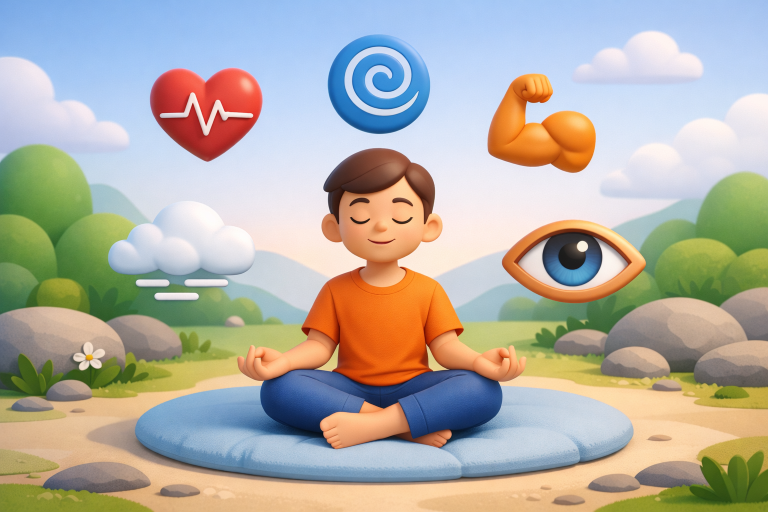
Practicing mindfulness means staying mentally present and accepting each moment without judgment. Guided meditations, body scans, and mindful breathing sessions can teach your mind to notice anxious thoughts without becoming overwhelmed by them. Start with a few minutes each day and gradually increase your practice.
Establishing a Consistent Routine
Creating and sticking to a regular schedule can foster a sense of order and stability. Structure your day to include set periods for work, exercise, meals, social interaction, and downtime. Predictability can counter feelings of chaos or worry and help ensure time is set aside for activities that support emotional balance, such as hobbies or relaxation techniques.
Building a Supportive Environment
In addition to personal coping skills, the environment you create and maintain can significantly impact anxiety levels. Surrounding yourself with understanding and supportive people, friends, family, or support groups can help you feel less isolated. Don’t hesitate to communicate your needs and boundaries during difficult times. Sharing your experiences, even in brief conversations, can foster emotional relief and validation. Sometimes it helps to write down your feelings or join online forums where others can relate and offer encouragement. These social connections strengthen resilience against anxiety’s effects and can motivate you to practice other coping tools when symptoms arise.
Eating Well and Getting Enough Rest
Proper nutrition and quality sleep are often overlooked but crucial elements of anxiety management. Caffeine, sugar, and processed foods can exacerbate anxious feelings or interfere with restful sleep, so aim for balanced meals that include whole grains, lean protein, and plenty of fruits and vegetables. Setting consistent sleep and wake times supports your body’s circadian rhythm, making you less prone to fatigue-induced anxiety. Pre-bedtime rituals such as reading, gentle stretching, or a hot shower can signal to your body that it’s time to wind down, and make your rest spaces comfortable, cool, and dark. Over time, these small adjustments can make a noticeable difference in your mood and overall resilience.
Seeking Professional Support
If anxiety disrupts daily life or becomes difficult to manage alone, connecting with a mental health professional may be the next best step. Therapists trained in Cognitive Behavioral Therapy (CBT) and other evidence-based methods can offer personalized strategies and ongoing support. Professional guidance is especially important if anxiety is accompanied by depression, insomnia, or other mental health concerns.
The Role of Reflection and Journaling
Another powerful tool for managing anxiety is reflective journaling. Writing down your thoughts, worries, and daily experiences can help you clarify patterns, pinpoint triggers, and process overwhelming emotions. This habit allows you to track progress and notice small victories, which can build confidence over time. Try setting aside a few minutes each day or week to jot down reflections, not only about anxious moments but also about what brings calm or happiness. Integrating gratitude journaling or keeping a daily log of things that went well can also subtly shift your perspective, making it easier to recognize strengths and signs of improvement.
Conclusion
Managing anxiety successfully involves a blend of self-awareness, consistent practice of coping techniques, lifestyle changes, and, when necessary, professional support. With the right tools and strategies, it is possible to regain control and lead a more relaxed, fulfilling life.