The Future of Law Enforcement Training Simulators
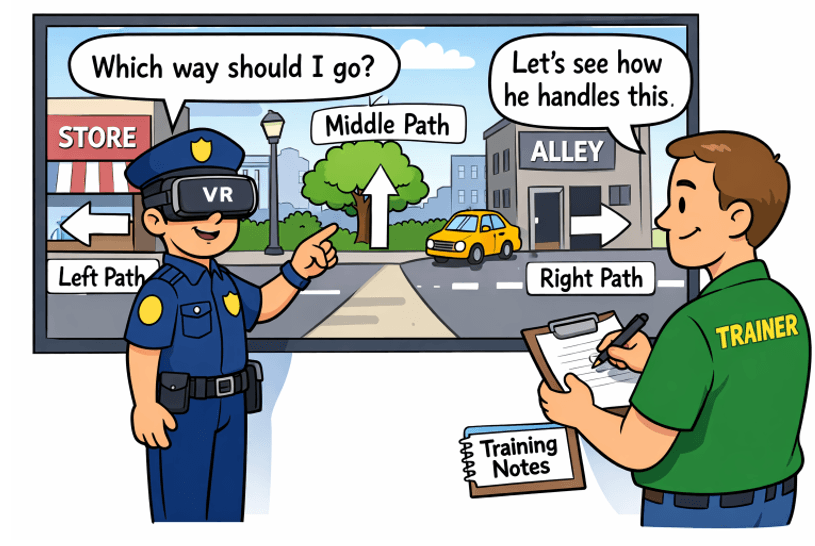
Across the globe, law enforcement agencies are turning to advanced training simulators in their efforts to prepare officers for the critical decisions they face in the field. These cutting-edge technologies provide immersive practice spaces that recreate the unpredictability and intensity of real-life encounters, a crucial step forward compared to traditional training. Another significant shift in education includes specialized environments like a defensive driving simulator, which helps officers gain valuable experience with realistic, scenario-based learning while improving their decision-making and response times.
Simulator-based training offers the type of high-stakes, repeatable exposure necessary for building judgment and composure under pressure. New officers especially benefit from the ability to experience a wide array of critical situations in a risk-free environment, better preparing them for the demands of active duty.
Evolution of Training Simulators
The first police training simulators were simple tools primarily used for marksmanship or procedure drills. Over time, the evolution of computing power and hardware has radically transformed these systems into sophisticated environments that mirror the stress and complexity of fieldwork. Today’s simulators employ high-fidelity visuals, real-time audio feedback, and biometric monitoring to place trainees directly into life-like, challenging scenarios. Officers can now practice everything from crisis negotiation and de-escalation to use-of-force decision making, all without real-world consequences. The evolution of these tools reflects a broader paradigm shift in law enforcement, stressing realism, critical thinking, and adaptability over rote memorization.
Benefits of Virtual Reality in Training
Virtual Reality (VR) has become a transformative force within law enforcement training. Unlike static paper-based exercises, VR immerses officers in 360-degree environments with branching narratives and unexpected twists. Officers must quickly evaluate threats, communicate under stress, and deploy appropriate responses, just as they would on the job. This increased immersion fosters a deeper sense of realism and emotional engagement, attributes that traditional training often lacks.
One of the critical benefits of VR is its ability to build situational awareness and hone split-second decision-making. Officers experience a variety of high-stakes incidents, from traffic stops and domestic disturbances to active threats. This wide range of exposure helps them to develop resilience, sharpen response strategies, and learn from mistakes without risk to themselves or the public. Law enforcement trainers can also monitor every action and decision, providing precise, constructive feedback for ongoing improvement.
Cost-Effectiveness and Accessibility
The financial and logistical barriers of traditional training methods, such as arranging live exercises, covering travel expenses, and securing safe environments, have made comprehensive training costly for many agencies. Virtual and augmented reality platforms drastically reduce these challenges by creating a virtual space that can be accessed with much less overhead. Agencies can offer more frequent and consistent training without worrying about ammunition costs, booking facilities, or taking officers off patrol for extended periods.
Additionally, the accessibility of modern simulators is reshaping professional development within law enforcement. Training modules can be updated easily to reflect new laws, policies, and emerging threats, allowing departments to remain agile in a rapidly changing environment. This flexibility is essential for preparing officers for both common incidents and more complex, dynamic situations.
Real-World Applications and Success Stories
The positive impact of these technologies is already apparent in agencies that have implemented advanced simulation training. One prominent example is the Mason County Career Center, where local authorities invested in a sophisticated police training simulator to spark interest among students considering law enforcement careers. Displaying dynamic scenarios on a 100-inch screen, the simulator pushes trainees to navigate multiple paths, make rapid responses, and experience the complexities of police work firsthand. This technology is helping communities build interest and understanding around law enforcement challenges, while also providing safer, more comprehensive training for future officers.
Other departments have reported measurable improvements in officer confidence, reduced training injuries, and a tangible increase in successful field outcomes tied to simulation-based development. These successes have prompted more jurisdictions to consider integrating VR and simulation tools into their regular curriculum.
See also: Common Questions an Anchorage Lawyer Can Answer You After an Accident
Future Trends and Innovations
Emerging trends point toward an even more adaptive, intelligent future for law enforcement simulators. The integration of Artificial Intelligence is pushing training platforms toward greater complexity and personalization, where the simulator dynamically adjusts challenges according to the officer’s decisions and responses. This real-time adaptability not only improves individual growth but also boosts retention and engagement.
Another exciting direction is the inclusion of gamification elements, which can make ongoing training more appealing and motivate participation. As simulator technology continues to advance, agencies can expect to benefit from deeper analytics, better scenario variability, and an expanded ability to address community-specific issues.
Conclusion
Law enforcement training simulators are ushering in a new era of realism, efficiency, and learning for officers. Immersive simulations, including technologies like VR and AI, are making high-quality, cost-effective training more accessible than ever. By embracing these advances, agencies are equipping their personnel for the unpredictable demands of modern policing and enhancing both officer safety and public trust.