Why You Hear Dripping Sounds With No Visible Leak

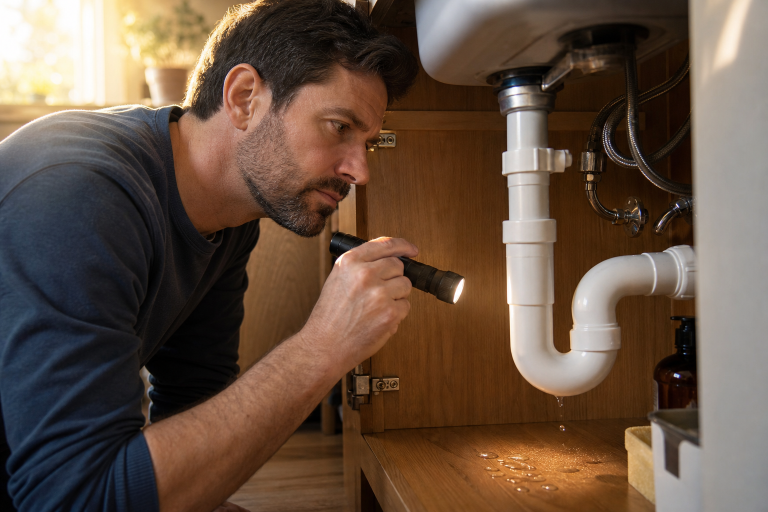
Hearing dripping sounds without any visible signs of a leak can be unsettling. You may notice water dripping, trickling, or running, yet when you inspect walls, ceilings, and exposed pipes, there is no staining, pooling, or visible damage. In many cases, the issue lies with hidden leaks concealed behind walls, beneath slabs, underground, or within pipe systems. Often, the sound is the only early warning.
In Australia, these silent leaks are more common than many property owners realise. If left undetected, they can cause costly damage, structural issues, and long-term moisture problems. Understanding why these sounds occur and how to address them early is key to preventing serious consequences.
How Micro-Leaks Can Create Dripping Noises
Even very small leaks, often referred to as micro-leaks, can produce audible dripping or running sounds without visible water escape. These leaks commonly occur in areas such as inside walls or ceilings where pipes run behind plasterboard, under floors or slabs where water seeps into subfloor spaces or soil, and underground supply or drainage pipes where moisture is absorbed before reaching the surface.
Because the water does not collect in open areas, there are no obvious puddles or wet patches. However, as water drips onto hard surfaces, insulation, or compacted soil, the sound becomes noticeable, especially at night when background noise is low.
In some cases, condensation can also be responsible. Cold water flowing through pipes may cause moisture to form on the outside of the pipe, with droplets falling and creating dripping sounds even without a structural leak.
See also: Critical Considerations for Your Procurement Technology Journey
Why Rodents Follow and Exacerbate Water Issues
Rodents are naturally drawn to water sources. Even a minor hidden leak behind a wall or beneath flooring can create damp zones that attract insects, which in turn attract rats and mice. As rodents investigate these areas, they may chew through pipes, insulation, or building materials, worsening existing leaks or creating new ones.
A professional pest control service can help identify rodent entry points, nesting areas, and how pest activity relates to hidden moisture sources. Without addressing pest activity, rodents can continue damaging plumbing systems and obscure the true cause of dripping sounds. In many cases, targeted rodent control is required to prevent further damage and support long-term plumbing repairs.
Inspection Techniques for Hidden Leaks
Because hidden leaks are not visible, specialised inspection methods are often required to locate them accurately.
Listening for Water Sounds
If you hear dripping or running water when all taps and appliances are turned off, this is a strong indicator of a concealed leak. Acoustic tools can amplify even the faintest sounds.
Water Meter Checks
Turning off all water sources and monitoring the water meter can reveal leaks. If the meter continues to move, water is escaping somewhere within the system.
Pressure Changes and Other Clues
Unexplained drops in water pressure across multiple fixtures can suggest a leak in hidden pipework or the main supply line.
Thermal and Acoustic Leak Detection
Professional plumber Melbourne services use thermal imaging and acoustic sensors to detect temperature changes and sound irregularities inside walls, floors, and underground pipes, allowing leaks to be located accurately without destructive excavation.
These methods allow leaks to be located early, before they lead to major structural damage or increased water bills.
How Pipe Relining Seals Silent Leaks
One of the most effective solutions for hidden leaks is pipe relining. This method involves inserting a resin-coated liner into the existing pipe and curing it in place to form a smooth, durable pipe within the original structure.
Unlike traditional repairs that may require excavation, this approach seals cracks and leaks internally. It is particularly suitable when pipes are located under slabs or floors, leaks are suspected behind walls or underground, and long-term protection against future leaks is needed.
By reinforcing the pipe from the inside, relining provides a lasting solution without disturbing surrounding structures.
Integrated Approach: Plumbing and Pest Prevention
Fixing hidden leaks requires more than plumbing repairs alone. A combined approach ensures the problem is fully resolved.
Pest Inspection
Moist environments created by leaks often attract pests. A pest inspection can reveal rodent or insect activity linked to hidden moisture and help identify areas where water is escaping unnoticed.
Rodent Control
Once leaks are repaired, effective rodent control removes pests that may have exploited the damp conditions. Addressing both moisture and pest activity reduces the risk of recurring problems.
Together, plumbing repairs and pest management address both the cause of the leak and its secondary effects.
Wrap-Up: Stopping Unseen Damage
Dripping sounds without visible leaks are usually caused by concealed plumbing issues such as micro-cracks, underground leaks, condensation, or pressure irregularities. Because water may flow through walls, floor voids, or soil without leaving visible signs, sound often becomes the first warning.
Using professional detection methods alongside solutions such as pipe relining allows leaks to be resolved early, before serious damage occurs. Including pest inspection and rodent control ensures that animal activity does not worsen or conceal the problem.
Early action protects your property, reduces repair costs, and restores peace of mind.
FAQs
Why do I hear dripping even though there’s no visible leak?
Dripping sounds often come from hidden leaks in walls, under floors, underground pipes, or from condensation on cold pipes.
Can a silent leak damage my property?
Yes. Slow leaks can lead to mould, structural dampness, warped materials, and higher water bills if left untreated.
How can a plumber find a hidden leak without damaging the walls?
Professionals use acoustic sensors, thermal imaging, and water meter testing to locate leaks with minimal disruption.
What does pipe relining do for hidden leaks?
Pipe relining seals the inside of damaged pipes, stopping leaks without excavation and providing a long-lasting solution.
Are pests attracted to hidden leaks?
Yes. Rodents and insects are drawn to moisture, making pest inspection and rodent control important parts of the solution.
When should I call a professional?
If dripping sounds persist or your water meter moves when all water is off, contact a licensed plumber or leak detection specialist promptly.