How Does Solar Installation Impact Property Value?
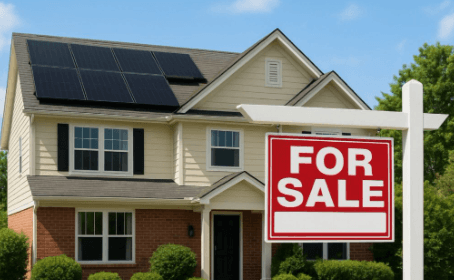
In modern markets, solar installations have increasingly influenced the perception and valuation of properties. As energy costs continue to rise, homeowners and buyers are paying closer attention to long-term efficiency and sustainability features. Solar panels offer a way to reduce reliance on traditional energy sources while contributing to environmental responsibility. Beyond energy savings, these systems can shape buyer interest, market competitiveness, and overall property appeal. Understanding how solar installations affect property value demonstrates why many homeowners consider them a worthwhile addition to their investment.
Value Factors of Solar Installations
Energy Savings and Long-Term Financial Appeal
One of the primary ways solar installations affect property value is by reducing energy costs. Homes equipped with solar panels often have lower electricity bills, which can be an attractive feature for potential buyers. This reduction in ongoing costs creates a financial advantage that extends beyond the initial installation. Buyers are more likely to view such properties as cost-efficient, especially in regions where energy prices are high. Over time, these savings can offset installation costs, making the property more financially appealing and contributing to its overall market value.
Buyer Perception and Market Demand
Solar-equipped homes often stand out in the real estate market due to their modern features and sustainability benefits. Buyers increasingly prioritize properties that offer energy efficiency and reduced environmental impact. In competitive markets, homes with solar installations may attract more attention and sell faster than those without such features. Many real estate professionals note that buyers actively search for properties supported by solar companies, recognizing the long-term advantages associated with renewable energy systems. This growing demand contributes to higher perceived value and can positively influence selling prices.
Appraisal Considerations and Property Pricing
The presence of solar panels can influence property appraisals, although the exact impact varies depending on location and market conditions. Appraisers consider factors such as system size, age, and performance when evaluating its contribution to property value. In some cases, solar installations are treated as upgrades similar to renovations or energy-efficient appliances. These additions can increase the appraised value of a property, especially when they demonstrate consistent energy savings. Proper documentation of system performance and maintenance can further support higher valuations during the appraisal process.
Impact on Property Marketability
Solar installations enhance a property’s marketability by offering features that appeal to a wide range of buyers. Energy efficiency, reduced utility costs, and environmental benefits create a compelling combination that attracts interest. Homes with solar systems may also spend less time on the market, as buyers are drawn to properties that provide long-term advantages. This increased marketability can lead to stronger offers and quicker transactions. By improving how a property is perceived, solar installations contribute to both its desirability and its ability to compete effectively in the real estate market.
Maintenance, Durability, and Long-Term Value
The durability and maintenance requirements of solar systems also affect property value. Well-maintained systems that operate efficiently can enhance buyer confidence and support higher valuations. Buyers often consider the condition of the installation, including the quality of its components and the system’s remaining lifespan. Proper upkeep ensures that the system continues to deliver benefits, reinforcing its contribution to the property’s value. Regular inspections and maintenance help preserve performance, making the installation a reliable feature for future owners.
See also: Customised Workwear – Empowering Businesses Professional Branding
Environmental Benefits and Buyer Preferences
Environmental considerations are becoming increasingly important in real estate decisions. Solar installations align with growing interest in sustainable living, offering a way to reduce carbon emissions and energy consumption. Buyers who prioritize environmentally conscious choices may be more inclined to invest in properties with solar systems. This shift in preferences adds another dimension to property value, as sustainability becomes a key factor in purchasing decisions. Homes that reflect these values often appeal to a broader audience, further enhancing their market position.
Financing and Incentives Influence Value
Financial incentives and financing options associated with solar installations can also impact property value. Incentives such as tax credits or rebates reduce the initial cost of installation, making solar systems more accessible to homeowners. These benefits can increase a property’s attractiveness, as buyers may inherit ongoing savings or remaining incentives. Financing structures, such as loans or leases, also influence how solar installations are perceived in the market. Clear documentation of these arrangements helps buyers understand the financial implications and supports informed decision-making.
Solar Investment and Property Growth
Solar installations contribute to property value by combining financial savings, environmental benefits, and increased market appeal. Each factor, from reduced energy costs to enhanced buyer interest, plays a role in shaping how properties are valued and perceived. As renewable energy continues to gain importance, homes equipped with solar systems are likely to remain attractive in evolving markets. By investing in solar technology, homeowners not only improve their current living conditions but also strengthen the long-term value of their property, making it a meaningful addition to modern real estate.