Can Someone Disable My CCTV Without Me Knowing?
Security cameras have become part of the present-day business safety measures, but numerous organisations forget that CCTV cameras are not safe in themselves. Whether it is physical interference, cyber manipulation or vague duties under property contracts, CCTV security lapses can be exploited, unbeknownst to the property owner at times.
This blog discusses the ways of compromising CCTV systems, the person in charge of security, legal implications and the best way of ensuring your investment is not compromised.
Common CCTV Security Gaps
CCTV systems are necessary in businesses to prevent losses, to ensure the safety of employees or to offer protection as far as liability is concerned. Nevertheless, physical and network-based vulnerabilities have the potential to make them useless in case they are not addressed.
These gaps can be used by attackers, as well as the well-intended internal actors, to disable cameras or prevent footage, which could compromise the whole point of the installation. Recent warnings highlight the need to ensure the physical elements and software elements of the CCTV systems are secured to avoid unauthorised access.
Physical and Digital Tampering Methods
Physical Tampering
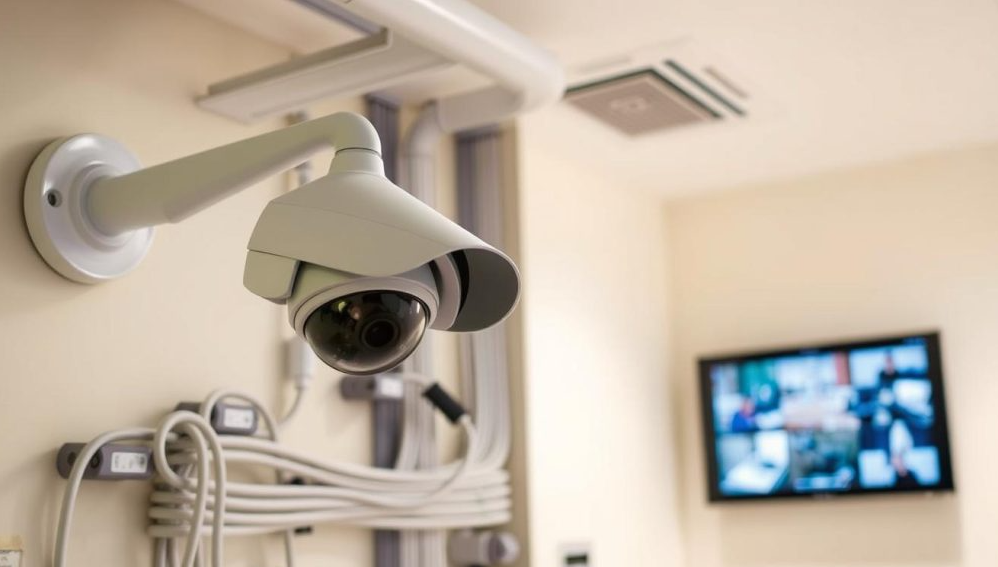
There are a variety of physical methods of disabling CCTV cameras. Typical examples include placing objects on the lens, spray-painting the camera, shaking or moving it, cutting the power cables, or even destroying the camera housing itself. Even seemingly minor actions, such as restricting the field of view, can render surveillance footage ineffective.
Such acts are often obvious in hindsight but may be carried out quickly and discreetly, particularly in locations with uncontrolled access or limited physical security. In investigations involving damaged or interfered-with CCTV systems, criminal lawyers frequently examine whether tampering was deliberate, opportunistic, or linked to a broader offence.
See also: The Use of Detection Technology to Combat Synthetic Media
Digital and Network Threats
Modern IP CCTV systems connect via networks, often making remote access possible. Hackers target these systems by:
- Exploiting default passwords or weak authentication.
- Gaining access through unsecured Wi‑Fi or open remote access protocols.
- Leveraging outdated firmware with known vulnerabilities.
To minimise exposure to such digital attacks, security experts recommend that the system be disabled, especially the features such as Universal Plug and Play (UPnP), and remote access to cameras that do not need it, as well as routine system auditing and password control.
CCTV systems may be neutralised without necessarily attracting attention, without covering both physical and digital vulnerabilities.
Landlord vs Tenant Responsibilities
In business and residential settings, the division of responsibility for CCTV systems can be a grey zone, especially in leased properties.
Landlord Responsibilities
CCTV cameras in the common areas like entryways, parking lots, and common corridors are, in most cases, controlled by landlords. The legality of these cameras usually depends on their being divulged and in a manner that does not violate the privacy expectations of an individual. Nevertheless, there is an obligation of transparency by landlords and in most jurisdictions, they should provide notice or permission to tenants if cameras may violate their rights.
Tenant Rights and Responsibilities
The tenants usually require the landlord to allow them to install their own cameras in the leased locations. Surveillance installation without permission may breach lease relations, result in deposit refunds, or be the subject of an eviction conflict. In addition, in case the tenant turns off the landlord-installed CCTV systems, he/she can be punished either in court or by the contract.
The roles and responsibilities that are not spelt out should be referred to the lease, and expert advice should be sought by both parties.
System Hardening Measures
To make CCTV systems resilient against tampering, consider these measures:
Physical Protections
- Install cameras high and out of reach.
- Use vandal‑resistant housings and tamper‑proof fasteners.
- Secure recording devices (like DVRs/NVRs) in locked cabinets or rooms.
Network and Access Controls
- Change all default passwords and use strong, unique credentials.
- Enable two‑factor authentication (2FA) where possible.
- Segment networks to isolate cameras from other critical systems.
Maintenance and Monitoring
- Apply firmware updates regularly to patch security flaws.
- Audit access logs routinely to detect unusual attempts or access patterns.
- Limit access to footage to authorised personnel only.
A hardened CCTV setup not only reduces the chances of being disabled but also reduces the window of opportunity for attackers.
Legal Exposure Risks
This act of tampering and disabling security cameras is a criminal and civil offence in the majority of jurisdictions. Even though they may not be intended as ill will, the camera movements, lens covers or even cutting of wires may be regarded as vandalism or obstruction and attract fines or jail time.
From a privacy perspective, surveillance of private areas by landlords or businesses can also lead to the infringement of basic rights, depending on the specific law of the place.
The following legal provisions related to installation, notice provision, data management and privacy provision must be familiar to businesses and property managers.
When to Seek Legal and Technical Help
If you suspect your CCTV system has been compromised or tampered with:
- Consult a technical expert (e.g., Security Camera Installers) to audit and secure your system.
- Review your lease or contracts with a professional, such as a Commercial Lease Lawyer, to clarify responsibilities and liabilities.
- Document incidents thoroughly, including footage, access logs, and dates, to support any legal action.
Getting expert guidance early can prevent minor issues from escalating into major security or legal challenges.
Frequently Asked Questions (FAQ)
1. Can someone really disable my CCTV without me knowing?
Yes. There can be physical intrusion and digital intrusion. This is specifically in instances where the system is not well secured physically or in terms of network defences or security.
2. What laws apply if someone tampers with my security cameras?
Tampering and manipulation may result in legal implications in the form of criminal and civil penalties. Precise punishments differ across jurisdictions.
3. Can I install my own CCTV in a leased business property?
Depending on the conditions of the leasing agreements and the legal regulations, you might be required to obtain the consent of the landlord. Consult a Commercial Lease Lawyer before installation.
4. How can I make my CCTV harder to disable?
Secure mounting hardware, use strong passwords, segment the network, use encrypted connections, and regularly audit your CCTV system to enhance it.