What to Do After Water Damage in Leander, Texas: A First-Day Guide for Homeowners and Property Managers
A burst supply line, an overflowing appliance, a roof leak, or a sudden storm intrusion can quickly put a Leander property at risk. The best response is calm and methodical: protect people, stop additional water if it is safe, document the scene, and begin drying. If the damage extends beyond a small spill, searching for water damage cleanup near me can help you find timely support before moisture moves farther into floors, walls, cabinets, and belongings.
Water damage does not stop when the visible puddle disappears. Moisture can travel beneath flooring, behind baseboards, into drywall, and under kitchen or bathroom cabinetry. On the first day, focus on reducing hazards and preventing the loss from worsening, rather than rushing into major repairs or demolition. For homes, rental properties, and businesses in the area, professional water damage restoration Leander may be especially useful when moisture has spread beyond the room where the leak began.
1. Make the Property Safe Before You Clean
Keep children, pets, tenants, and visitors away from the affected space. Do not walk through standing water if electrical equipment, outlets, extension cords, or appliances may be involved. Never enter water to reach a breaker panel. If you cannot shut off power from a dry, safe location, contact an electrician or emergency professional. Look up before moving through the room. A sagging ceiling, bulging drywall, cracked plaster, or dripping light fixture can signal a serious hazard. Leave the area if the ceiling appears unstable, and do not place furniture or containers beneath it.
2. Stop the Source of Water
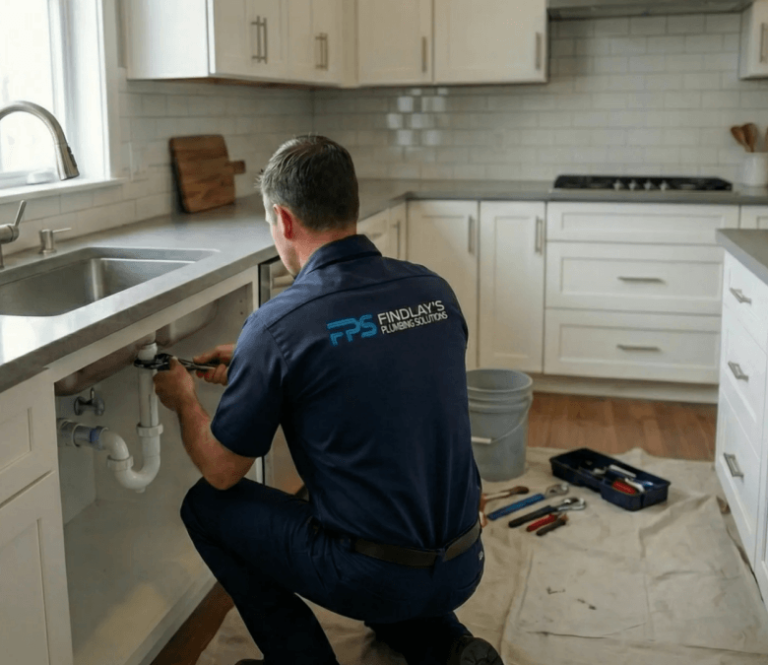
The next move depends on the cause. Toilets, sinks, dishwashers, washing machines, and ice makers may have nearby shutoff valves. A burst pipe, failed water heater, or uncontrolled plumbing leak may require shutting off the main water supply. For roof leaks or storm entry, use only safe, temporary measures from the ground or inside the property. Avoid climbing onto a wet roof during bad weather.
Common Sources to Check
- Burst or frozen plumbing pipes
- Water heater failures
- Washer and dishwasher hose leaks
- Overflowing tubs, sinks, or toilets
- Air conditioning condensate drain problems
- Sump pump failures, drain backups, and stormwater intrusion
3. Identify the Water Type
Not all water damage should be handled the same way. Water from a clean supply line may be less hazardous at first, while dishwasher discharge, washing machine water, and overflowed fixtures may contain dirt, detergents, or other contaminants. Sewage backups, rising outdoor floodwater, and water from an unknown source should be treated as contaminated. Do not handle contaminated water with bare hands, and avoid do-it-yourself cleanup when sewage or floodwater is involved.
4. Document Damage Before Moving Too Much
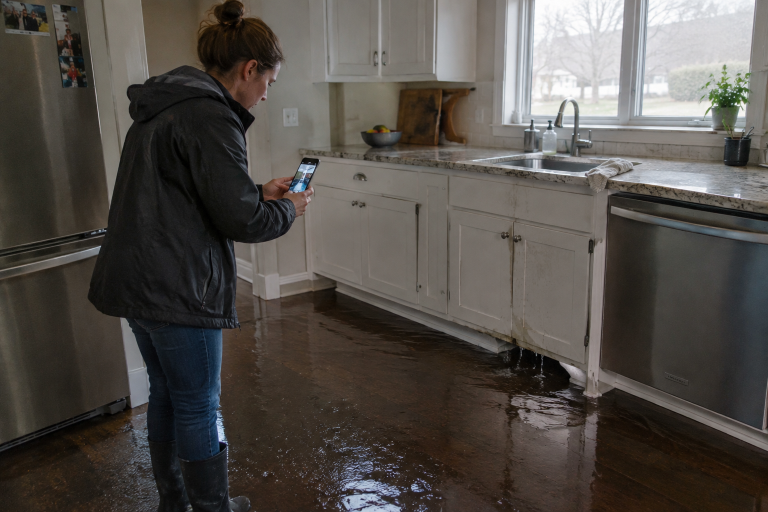
Clear documentation supports insurance conversations, repair estimates, and accurate decisions about what can be saved. Record the date and time you discovered the issue. Take wide photos of each affected room, then close-up photos of water lines, wet flooring, walls, ceilings, cabinets, appliances, and damaged belongings. If practical, retain failed hoses, broken fittings, or damaged appliance parts.
- Make a simple inventory of damaged items, including approximate age and value.
- Save receipts for emergency supplies, temporary repairs, lodging, and mitigation work.
- Contact your insurer early and ask what documentation and approvals are required.
- Do not make permanent repairs before documenting the loss unless immediate work is necessary to prevent further damage or danger.
5. Move Belongings and Begin Drying Carefully
Once the area is safe, move small electronics, papers, rugs, clothing, and personal items to a dry location. Lift furniture on blocks or protective material when it cannot be moved. Open cabinet and closet doors to improve airflow, but do not drag heavy furniture across soaked floors, as that can spread water and further damage the flooring. For a minor clean-water event, remove standing water with appropriate extraction equipment, increase airflow, and use dehumidification. The EPA recommends drying water-damaged areas and items within 24 to 48 hours when possible because moisture control is central to limiting mold growth. A surface that feels dry is not always dry underneath, especially around carpet padding, baseboards, wall cavities, and subfloors.
What Not to Do
- Do not use a regular household vacuum on standing water.
- Do not run fans across sewage, floodwater, or suspected contamination.
- Do not seal wet materials behind plastic or paint over a water stain before fixing the moisture source.
- Do not discard damaged belongings before they are photographed and discussed with the insurer.
6. Know When to Call a Professional
Professional assessment is a sensible choice when water has entered walls, ceilings, insulation, cabinets, HVAC equipment, electrical components, or a large section of flooring. It is also appropriate when water has been standing for hours, a musty odor develops, visible mold appears, or the source is sewage, drain backup, or outdoor flooding. Restoration teams can use moisture-detection tools, extraction equipment, air movers, dehumidifiers, and drying records to address moisture that is not visible from the room surface.
7. Protect Indoor Air and Health
Floodwater may contain biological or chemical contaminants, and wet materials can support mold growth. Floodwater can affect indoor air quality and health, particularly when materials remain wet. Wear gloves, protective footwear, and eye protection when handling wet debris. Keep people with asthma, allergies, breathing conditions, weakened immune systems, and young children away from contaminated or mold-affected spaces when possible. Never mix bleach with ammonia or other cleaning products.
See also: First-Time Renovation Myths That Cost Homeowners the Most
A Simple First-Day Timeline
- First 15 minutes: Protect people, avoid electrical hazards, and stop the water source if safe.
- Within the first hour: Photograph the damage, move valuables, and notify the insurer.
- Within several hours: Start safe drying for small clean-water losses or arrange professional mitigation.
- Before the day ends: Check nearby rooms, closets, cabinets, walls, and floors for hidden moisture.
Respond Quickly, But Do Not Rush
For Leander property owners and managers, the first day after water damage is about making smart decisions. Stop the source, document the loss, reduce exposure to hazards, and get moisture under control as soon as safely possible. Early action can help protect the structure, personal belongings, indoor air, and the overall cost of recovery.
Conclusion
Water damage requires a quick but careful response. Leander homeowners and property managers should first protect people from electrical, structural, and contaminated-water hazards before attempting cleanup. When safe, stopping the water source, documenting the affected areas, moving belongings, and beginning appropriate drying can help limit further damage. The type and extent of the water also matter, particularly when sewage, floodwater, drain backups, or unknown sources are involved. Professional restoration may be appropriate when moisture reaches walls, ceilings, flooring, insulation, cabinets, HVAC systems, or electrical components, or when the affected area is too large for safe household cleanup. Keeping photographs, receipts, repair records, and insurance communications organized can also support the recovery process. Most importantly, homeowners should not assume that a dry-looking surface means all moisture has been removed. A methodical first-day response can help identify hidden moisture, reduce the risk of mold, and provide a clearer path toward safe cleanup, drying, repair, and restoration.