What Causes a Furnace Pilot Light to Keep Going Out?
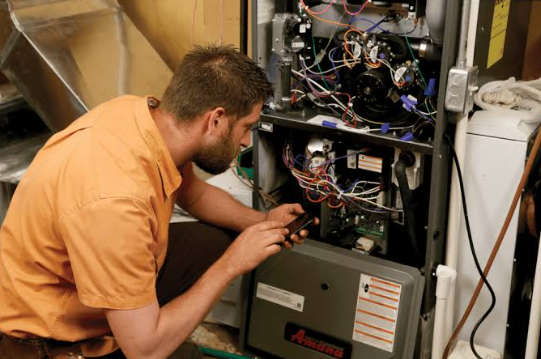
A furnace pilot light that keeps going out can be a frustrating and potentially dangerous issue for homeowners, especially during colder months when reliable heating is essential. The pilot light is a small flame that ignites your furnace burners, and when it fails to stay lit, your furnace cannot produce heat. This problem can stem from a variety of causes, ranging from simple dirt buildup to more complex mechanical failures. Understanding the underlying reasons for a persistent pilot light outage is crucial for maintaining a safe, comfortable home environment and preventing costly repairs or replacements down the line.
Common reasons for pilot light issues
Dirty or Faulty Thermocouple
One of the most frequent causes of a furnace pilot light that keeps going out is a dirty or malfunctioning thermocouple. The thermocouple is a safety device that senses whether the pilot light is burning. If it detects that the flame is out, it shuts off the gas supply to prevent leaks. Over time, the thermocouple can become coated with soot, dust, or other debris, which interferes with its ability to sense the flame accurately. In some cases, the thermocouple may also bend or become misaligned, preventing the pilot flame from heating it properly. When this happens, the thermocouple signals the gas valve to close, extinguishing the pilot light even when there is no real danger. Regular cleaning and inspection of the thermocouple can help prevent this issue, but if the component is damaged or worn out, you may need to replace it to restore reliable furnace operation.
See also: Lifeguard Gear Essentials: What You Need for the New Lifeguarding Season
Problems with the Gas Supply
Another major factor that can cause a furnace pilot light to keep going out is a gas supply issue. If the gas line is partially blocked, kinked, or leaking, the pilot light may not receive a steady fuel flow, causing it to flicker or extinguish unexpectedly. Low gas pressure from the utility company or a malfunctioning gas regulator can also contribute to this problem. In some cases, air may become trapped in the gas line, especially after a period of disuse, interrupting the flow of gas to the pilot light. Homeowners who suspect a gas supply issue should never attempt to fix it themselves, as working with gas lines can be extremely dangerous. Instead, contact a qualified heating contractor to inspect the system and address any gas supply concerns. For those seeking more information about local heating services, you can view it now for further details.
Drafts and Ventilation Issues
Furnace pilot lights are sensitive to airflow changes, and drafts are a common cause of frequent outages. If your furnace is located in a drafty area, such as a basement or near an exterior door, sudden gusts of wind can blow out the pilot flame. Poorly sealed windows, gaps under doors, or even a malfunctioning furnace vent can all contribute to unwanted airflow around the pilot light.
Airflow also plays an important role in other types of heating and cooling equipment. Understanding how portable AC units operate can provide useful context for how appliances move air, exhaust heat, and affect airflow within individual rooms.
Improper ventilation can also create negative air pressure in the home, which may draw air away from the furnace and extinguish the flame. Addressing drafts and ensuring proper ventilation is essential for maintaining a stable pilot light. This may involve sealing gaps, installing weatherstripping, or having a professional assess your home’s ventilation system to identify and correct any issues that could be affecting your furnace’s performance.
Faulty Pilot Light Assembly
The pilot light assembly itself can sometimes be the source of the problem. Over time, the orifice that supplies gas to the pilot light can clog with dirt, dust, or rust, restricting gas flow and causing a weak or unstable flame. If the flame is too small or irregular, it may not heat the thermocouple sufficiently, causing the gas valve to shut off. In addition, the pilot light tube can develop cracks or leaks, further compromising flame stability. Regular maintenance, including cleaning the pilot light assembly and checking for signs of wear or damage, can help prevent these issues. If cleaning doesn’t resolve the problem, you may need to replace the pilot light assembly to ensure consistent furnace operation and safety.
When to Call a Professional
If you have tried basic troubleshooting steps such as cleaning the thermocouple and checking for drafts but your furnace pilot light keeps going out, it may be time to call a professional heating contractor. Persistent pilot light problems can indicate more serious issues within your furnace, such as a failing gas valve, damaged wiring, or internal component failure. A qualified technician can perform a thorough inspection, diagnose the root cause, and recommend the appropriate repairs or replacements. Attempting to fix complex furnace issues without proper training can be dangerous and may void your warranty, so it’s safer to rely on a professional for more complicated repairs.
Importance of Regular Furnace Maintenance
Regular furnace maintenance is essential to prevent pilot light issues and ensure your heating system operates safely and efficiently. Annual inspections by a qualified technician can catch potential problems early, such as dirty components, worn-out parts, or gas supply issues. Routine cleaning of the pilot light assembly and thermocouple, along with checking for drafts and proper ventilation, can go a long way toward keeping your furnace running smoothly. Regular maintenance not only helps prevent inconvenient breakdowns but also extends your furnace’s lifespan and can improve energy efficiency, saving you money on utility bills over time.
Quick Fixes for Pilot Light Problems
Sometimes, a simple fix can resolve a pilot light that keeps going out. Relighting the pilot according to the manufacturer’s instructions, gently cleaning the thermocouple with fine sandpaper, or ensuring there are no obvious drafts near the furnace can often restore normal operation. However, if these quick fixes don’t solve the problem, seek professional help to avoid further damage or safety risks.
Conclusion
A furnace pilot light that repeatedly goes out is more than just an inconvenience; it can signal underlying issues that may compromise your home’s safety and comfort. From dirty thermocouples and gas supply problems to drafts and faulty pilot light assemblies, several potential causes require careful attention. Addressing these issues promptly through regular maintenance and timely repairs can help ensure your furnace operates reliably throughout the heating season. If simple troubleshooting doesn’t resolve the problem, contact a professional heating contractor to diagnose and fix the issue, keeping your home warm and safe all winter long.