Why Crowns And Veneers Work Best Together In Smile Design
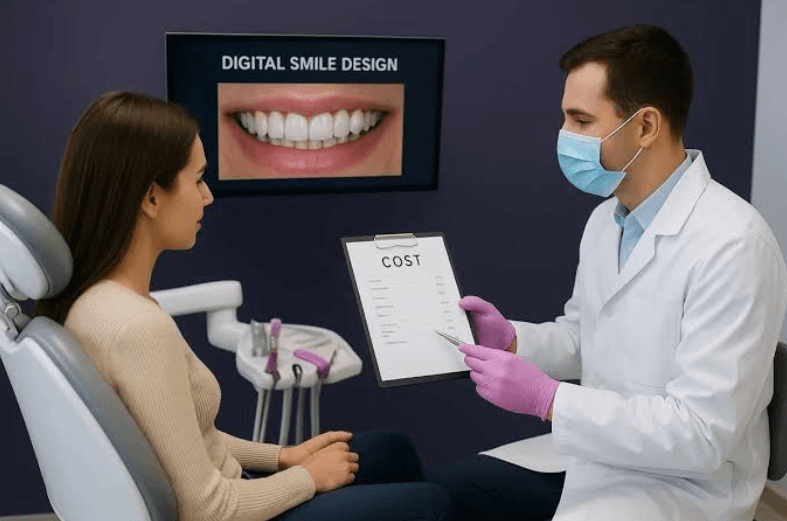
You may already know something about veneers, crowns, or both, and still feel stuck. One tooth is chipped, another is dark, one old filling keeps breaking, and your front teeth do not match the way you want your smile to look. That mix of cosmetic and structural problems is where people often get frustrated, because a single treatment does not always fix the full picture. A Lower Manhattan dentist can help evaluate whether veneers, crowns, or a combination of treatments will best address both appearance and function.
That is why crowns and veneers in smile design often work so well together. Veneers can refine shape, color, and symmetry on teeth that are healthy enough to keep most of their natural structure. Crowns can protect teeth that are cracked, heavily filled, worn down, or weak. Used together, they can create a smile that looks natural and also holds up in daily life.
Crowns and veneers solve different problems in cosmetic and restorative dentistry
Veneers and crowns are easy to lump together because both improve appearance, but they do different jobs. A veneer covers the front surface of a tooth. It is usually chosen when the tooth is strong overall but needs help with color, minor shape changes, small chips, or gaps. The University of Rochester explains that veneers are often used to improve the look of stained, worn, chipped, or uneven teeth through a thin custom shell bonded to the front of the tooth. You can read more about when veneers make sense and what they can correct.
A crown covers the entire visible tooth. It is often the better choice when a tooth has lost more structure, has a large filling, has had root canal treatment, or is at risk of breaking. MedlinePlus outlines how a crown can restore a damaged tooth’s shape, strength, and function, not just its appearance. Their overview of dental crowns and why they are used gives a clear picture of that role.
This difference matters. If you place veneers on teeth that really need full support, the result may look good at first and fail later. If you crown every tooth in sight, you may remove more healthy tooth structure than necessary. Good smile design is not about using one material everywhere. It is about matching the right restoration to each tooth.
Smile makeover crowns and veneers create balance across the whole smile
Most people do not come in with every tooth in the same condition. Front lateral incisors might be small or discolored. Central incisors may be strong enough for veneers. Canines may be worn. One premolar may already have a large filling and need a crown. If all of those teeth are treated the same way, the plan can miss what each tooth actually needs.
That is where a combined approach becomes smart. Veneers can keep the smile light and conservative where the enamel is healthy. Crowns can reinforce the teeth carrying more damage or stress. When both are planned together, the dentist can align color, contour, length, and bite so nothing looks patched together.
You see this often in patients who have spent years grinding, clenching, or repairing old dental work. They are not only bothered by how their smile looks in photos. They are tired of the cycle of break, patch, repeat. A cosmetic fix alone does not solve that. A structural fix alone may leave the smile uneven. Veneers and crowns for a balanced smile answer both sides of the problem.
The best smile design uses veneers where possible and crowns where necessary
There is also a financial side to this, and it is real. You want results that justify the investment. Replacing work too soon because the original plan was too cosmetic or too aggressive is expensive and discouraging. A thoughtful plan often saves money over time because it reduces repairs and avoids treating healthy teeth more than needed.
Durability matters just as much as beauty. If your bite is off, if one tooth sticks out into heavy contact, or if old restorations are failing, the design has to account for force. Teeth do not exist in isolation. They work as a set. That is why cosmetic and restorative dentist treatment usually looks beyond the front view and studies function, gum levels, enamel quality, and the way you close your teeth together.
| Feature | Veneers | Crowns | Using Both Together |
| Best for | Color changes, minor chips, small gaps, shape refinement | Cracked teeth, large fillings, weakened teeth, major wear | Mixed cases with cosmetic and structural needs |
| Tooth coverage | Front surface only | Entire visible tooth | Coverage matched to each tooth |
| Tooth preservation | Often preserves more natural structure | Removes more structure when full support is needed | Conservative where possible, protective where needed |
| Strength support | Limited for badly damaged teeth | Strong support for compromised teeth | Better long term balance of looks and function |
| Smile design result | Can look excellent in the right case | Can restore heavily damaged teeth well | More natural, even, and durable full smile result |
Small planning decisions shape the outcome of crowns and veneers in smile design
Start with a full evaluation. Ask for a plan that looks at each tooth separately and your smile as a whole. Photos, bite analysis, gum assessment, and a review of old fillings or cracks help show where veneers are enough and where crowns are safer.
Talk about function, not just color. Shade matters, but so do bite forces, grinding habits, and tooth position. If you clench at night or have uneven wear, mention it early. That information changes the design and can protect your investment.
Ask to see the sequence. In many cases, treatment is staged. A weak tooth may need a crown first. Veneers may follow once shape and bite are stabilized. Seeing the order of care helps you understand cost, timing, and what the final result is meant to achieve.
See also: Empowering Healthcare Professionals: Tools for Optimal Practice
A combined restorative and cosmetic approach gives your smile a better chance to last
The reason crowns and veneers work best together in smile design is simple. Teeth do not all fail in the same way, so they should not all be treated in the same way. Some need protection. Some need refinement. The best results come from respecting that difference and building a plan around your actual teeth, not a one size fits all idea of a smile makeover.
If your smile has both worn or damaged teeth and cosmetic concerns, a tailored plan from a skilled cosmetic and restorative dentist can give you a result that looks right, feels right, and lasts longer. Take the next step and schedule a consultation to find out which teeth are better suited for veneers, which need crowns, and how both can work together in one cohesive design.