How to Tell If Your Water Heater Needs Repair or Replacement
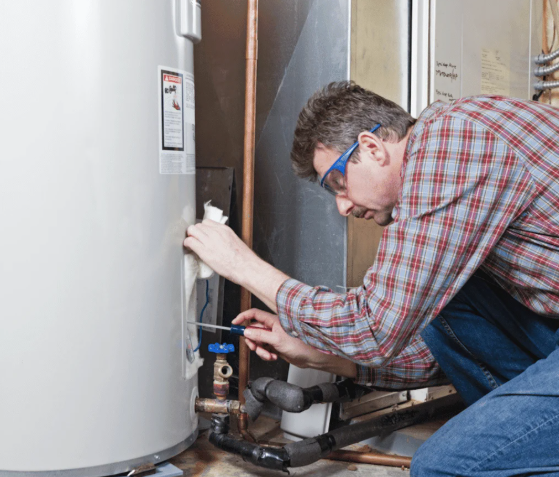
A dependable water heater is essential for everyday comfort, providing hot water for showers, laundry, dishwashing, and countless other household tasks. Because it operates quietly in the background, many homeowners don’t think about their water heater until something goes wrong. Whether you’re experiencing inconsistent hot water, unusual noises, or visible leaks, it’s important to determine whether your unit can be repaired or if it’s time for a replacement.
Knowing the warning signs can help you avoid unexpected breakdowns, reduce repair costs, and ensure your home continues to have a reliable hot water supply. Understanding the difference between issues that require repairs and those that signal the end of a water heater’s lifespan allows you to make informed decisions and protect your investment.
Consider the Age of Your Water Heater
The age of your water heater is one of the first factors to evaluate. Traditional tank water heaters typically last between 8 and 12 years, while tankless systems often have longer service lives when properly maintained.
If your unit is relatively new and has only minor issues, repairing it is often the most practical and cost-effective option. However, if the system is approaching or exceeding its expected lifespan, investing in a replacement may be more economical than repeatedly paying for repairs.
You can usually determine the unit’s age by checking the manufacturer’s label or serial number.
See also: Lifeguard Gear Essentials: What You Need for the New Lifeguarding Season
Inconsistent Hot Water
One of the most common signs of trouble is inconsistent water temperature. If your water suddenly becomes lukewarm, takes longer to heat, or runs out much faster than before, the heating system may not be functioning efficiently.
Several issues can cause inconsistent hot water, including a faulty heating element, malfunctioning thermostat, sediment buildup, or worn internal components.
Many of these problems can be resolved through professional Water Heater Repair, especially if the unit is still in good overall condition.
Strange Noises Coming from the Tank
Water heaters naturally make some sounds during operation, but loud popping, rumbling, banging, or cracking noises often indicate sediment buildup inside the tank.
As minerals settle at the bottom of the tank, they harden over time and force the heating element to work harder. This reduces efficiency and places additional stress on the system.
Flushing the tank may resolve minor sediment issues, but significant buildup in an older unit may indicate that replacement is becoming the better long-term solution.
Water Leaks Around the Unit
Any water leaking around your water heater deserves immediate attention.
Leaks may originate from loose fittings, pressure relief valves, drain valves, or plumbing connections. These problems are often repairable if addressed promptly.
However, if the tank itself has developed cracks due to corrosion or internal deterioration, replacement is usually necessary. A leaking tank cannot typically be repaired safely because the structural integrity of the unit has been compromised.
Ignoring leaks can lead to water damage, mold growth, and expensive repairs throughout the surrounding area.
Rust-Colored Water
If hot water appears rusty or discolored while cold water remains clear, the inside of your water heater may be corroding.
Sometimes the issue is related to a deteriorating anode rod, which protects the tank from corrosion. Replacing the anode rod can often extend the life of the water heater if corrosion has not progressed too far.
If rust continues after replacing the anode rod or if corrosion is widespread, replacing the water heater may be the most reliable option.
Rising Energy Bills
A sudden increase in utility costs without changes in household water usage may indicate that your water heater is losing efficiency.
Sediment buildup, worn heating elements, aging insulation, and internal deterioration force the unit to consume more energy while producing less hot water.
Professional inspections can determine whether repairs will restore efficiency or whether replacing the system with a newer energy-efficient model offers greater long-term savings.
Frequent Repairs
Occasional repairs are normal during a water heater’s lifespan. However, repeated service calls within a short period often indicate that multiple components are wearing out.
When repair costs continue to accumulate, replacing the unit may provide better value than repeatedly fixing an aging system.
Evaluating repair expenses alongside the unit’s age helps homeowners make financially sound decisions.
Reduced Hot Water Supply
If your family consistently runs out of hot water more quickly than before, your water heater may no longer meet your household’s needs.
Sediment accumulation reduces tank capacity, while aging heating elements may struggle to keep up with demand.
If your household has grown or your water usage has increased, upgrading to a larger tank or a tankless water heater may provide a more effective long-term solution.
The Importance of Professional Inspections
Many water heater problems appear similar on the surface but have very different underlying causes. Professional technicians perform comprehensive inspections to identify the source of the problem and recommend the most practical solution.
During an inspection, technicians evaluate heating elements, thermostats, valves, burners, electrical connections, gas components, pressure levels, and overall tank condition.
Their expertise helps homeowners avoid unnecessary replacements while ensuring safety and reliable operation.
Repair or Replace?
The decision ultimately depends on several factors:
- The age of the water heater
- The severity of the problem
- Repair costs compared to replacement costs
- Energy efficiency
- Overall condition of the system
- Household hot water needs
If the unit is relatively new and the problem is isolated, professional Water Heater Repair is often the most economical choice. On the other hand, older systems with multiple issues, corrosion, or declining efficiency may benefit more from replacement.
Consulting an experienced technician allows homeowners to weigh these factors carefully before making a decision.
Conclusion
A properly functioning water heater provides reliable comfort and convenience every day. Paying attention to warning signs such as inconsistent hot water, strange noises, leaks, rust-colored water, rising energy bills, and frequent repairs can help you determine whether your unit requires repair or replacement.
Regular maintenance and prompt attention to developing issues help maximize the lifespan of your water heater while minimizing unexpected breakdowns. By working with qualified professionals, homeowners can make informed decisions that ensure dependable hot water, improved energy efficiency, and long-term value for their home.