How Regular Roof Inspections Can Extend the Life of Your Commercial Roof
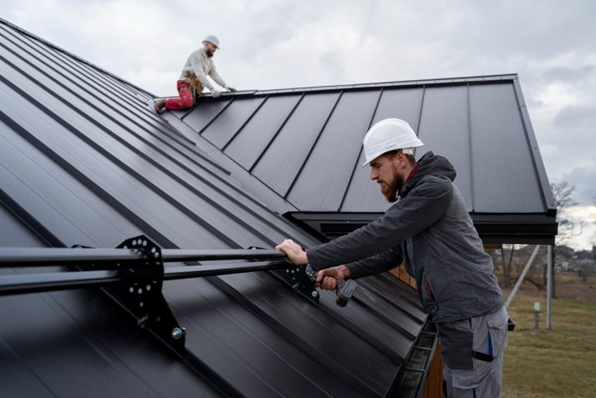
A commercial roof is one of the most valuable investments for any business property. It protects your building, employees, equipment, and inventory from the elements while contributing to the overall structural integrity of the property. Despite its importance, many business owners overlook routine roof inspections until a leak or visible damage appears. By that point, what could have been a simple repair may have developed into a costly roofing project.
Regular roof inspections are one of the most effective ways to maximize the lifespan of a commercial roofing system. Identifying minor issues early helps prevent expensive repairs, minimizes business disruptions, and ensures your roof continues to perform as intended for many years.
Detect Small Problems Before They Grow
Most roofing problems begin as minor defects that are difficult to notice without a professional inspection. Small punctures, loose flashing, cracked sealants, clogged drains, or damaged membranes may not immediately cause leaks, but they can gradually allow moisture to penetrate the roofing system.
Once water enters beneath the roofing material, it can damage insulation, weaken structural components, promote mold growth, and create interior water damage. Regular inspections allow these issues to be identified and repaired before they escalate into major problems that require extensive restoration or roof replacement.
See also: Lifeguard Gear Essentials: What You Need for the New Lifeguarding Season
Extend the Lifespan of Roofing Materials
Every commercial roofing system experiences wear from sunlight, rain, wind, temperature fluctuations, and seasonal weather changes. Over time, roofing materials naturally age, but routine inspections and timely maintenance can significantly slow this process.
Professional inspections help ensure damaged components are repaired promptly, preventing unnecessary stress on surrounding roofing materials. Simple maintenance tasks such as resealing flashing, repairing seams, and clearing debris can add years to the life of your roof while maintaining its protective performance.
Extending the service life of your roof delays the need for a full replacement, resulting in substantial long-term savings.
Prevent Water Damage
Water intrusion remains one of the most common causes of commercial roofing failures. Even a small leak can damage ceilings, walls, flooring, electrical systems, insulation, and valuable equipment if left untreated.
Routine inspections focus on areas where leaks are most likely to develop, including roof penetrations, flashing, drainage systems, skylights, HVAC units, and expansion joints. Addressing vulnerabilities before water enters the building protects both the structure and the business operations inside.
Preventing water damage also helps maintain a healthier indoor environment by reducing the risk of mold and mildew growth.
Improve Roof Drainage
Commercial roofs often feature drainage systems designed to move rainwater away from the building. Leaves, dirt, branches, and other debris can clog drains and gutters over time, allowing water to pond on the roof surface.
Standing water increases the weight placed on the roofing system while accelerating material deterioration. During inspections, professionals remove debris and evaluate drainage performance to ensure water flows efficiently.
Proper drainage reduces stress on roofing materials and minimizes the likelihood of leaks or structural damage.
Identify Storm Damage Early
Massachusetts and many other regions regularly experience severe weather, including heavy rain, strong winds, hail, and snow. Storms may loosen roofing materials, damage flashing, puncture membranes, or create hidden structural issues that are not immediately visible from the ground.
Scheduling a roof inspection after major weather events allows professionals to identify storm-related damage before it worsens. Early repairs help preserve the roof’s integrity and may simplify insurance claims by documenting damage promptly.
Waiting too long after a storm can allow minor damage to expand into more significant structural problems.
Maintain Energy Efficiency
A properly maintained roof contributes to better energy efficiency throughout the building. Damaged insulation, deteriorating roofing materials, or moisture trapped beneath the roof can reduce thermal performance, forcing heating and cooling systems to work harder.
Routine inspections help identify insulation issues, damaged membranes, and air leaks that may be increasing energy consumption. Correcting these problems can improve indoor comfort while lowering utility costs over time.
An energy-efficient roofing system benefits both the business and the environment.
Protect Your Business Investment
Replacing a commercial roof is a major capital expense. Fortunately, many premature roof replacements can be avoided through regular inspections and preventive maintenance.
By investing in routine evaluations, property owners gain a clearer understanding of their roof’s condition and can plan maintenance or future replacement more effectively. This proactive approach helps reduce emergency repair costs while protecting the overall value of the property.
Working with an experienced commercial roofing company ensures inspections are thorough and that maintenance recommendations are based on the specific roofing system installed on your building.
Support Warranty Requirements
Many commercial roofing manufacturers require routine inspections and documented maintenance to keep warranty coverage valid. Failing to maintain the roof according to warranty guidelines may result in denied warranty claims if problems develop later.
Professional inspection reports provide valuable documentation showing that the roof has been properly maintained. Keeping detailed maintenance records can simplify warranty claims while demonstrating responsible property management.
Reviewing your warranty requirements with roofing professionals helps ensure continued protection throughout the warranty period.
Enhance Workplace Safety
Roof damage doesn’t only threaten the building, it can also create safety hazards for employees, customers, and visitors. Water leaks may cause slippery floors, damaged ceilings, electrical risks, and falling debris.
Routine inspections identify safety concerns before they affect building occupants. Addressing roofing issues promptly helps maintain a safe and productive work environment while reducing liability risks for business owners.
Partner With Experienced Roofing Professionals
Commercial roofing systems vary widely in design, materials, and maintenance requirements. Flat roofs, metal roofing, modified bitumen, TPO, EPDM, and PVC systems each require specialized knowledge during inspections.
Partnering with a trusted commercial roofing company ensures every component of your roofing system is carefully evaluated by experienced professionals. Their expertise helps identify hidden issues, recommend cost-effective repairs, and develop maintenance plans that maximize your roof’s lifespan.
Conclusion
Regular roof inspections are one of the smartest investments a commercial property owner can make. By detecting small issues early, preventing water damage, improving drainage, maintaining energy efficiency, and supporting warranty compliance, routine inspections help extend the life of your commercial roof while reducing long-term repair costs.
Rather than waiting for visible leaks or structural damage, a proactive maintenance strategy protects your building, supports uninterrupted business operations, and preserves the value of your investment. Consistent inspections combined with timely repairs provide the best opportunity to keep your commercial roof performing reliably for many years.