Sustainable Packaging Trends Driving Demand for Stand Up Pouches
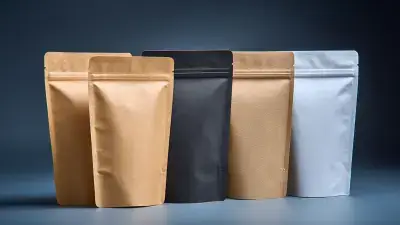
Sustainability has become one of the most discussed topics in the packaging industry. Businesses, consumers, retailers, and governments are paying closer attention to how packaging materials are produced, transported, used, and disposed of. While packaging remains essential for protecting products and supporting distribution, there is growing pressure to improve efficiency and reduce unnecessary waste throughout the supply chain.
As a result, many companies are reassessing traditional packaging methods and exploring alternatives that align with modern sustainability goals. Flexible packaging has emerged as a major part of this conversation because it often requires fewer resources than many conventional packaging formats.
Among flexible packaging solutions, Stand Up Pouches have gained significant attention. Their lightweight structure, efficient material usage, and practical design have made them a preferred option for businesses looking to balance packaging performance with environmental considerations.
As sustainability continues to influence purchasing decisions and packaging strategies, demand for stand-up pouch packaging continues to grow across multiple industries.
Why Sustainability Is Influencing Packaging Decisions
Consumers today have greater access to information than ever before.
Many buyers actively research products, compare brands, and evaluate company practices before making purchasing decisions. Packaging has become an important part of this evaluation process.
Businesses are responding by seeking packaging solutions that support efficiency while meeting product protection requirements.
At the same time, transportation costs, material availability, and regulatory developments continue to influence packaging strategies.
These factors have encouraged companies to look beyond traditional packaging formats and consider alternatives that support long-term operational goals.
Flexible packaging has become an increasingly attractive option within this changing landscape.
The Shift Away From Traditional Packaging
For decades, many industries relied heavily on rigid packaging materials such as glass containers, metal cans, and thick plastic packaging.
While these formats continue to offer advantages for specific applications, they often require larger amounts of raw materials and can contribute to increased transportation weight.
Businesses have recognized that packaging efficiency plays an important role in overall resource management.
Flexible packaging offers a different approach.
By using thinner materials while maintaining product protection, flexible packaging can often achieve similar performance with lower material consumption.
This shift has contributed to the growing popularity of pouch-based packaging solutions.
See also: Customised Workwear – Empowering Businesses Professional Branding
Understanding the Structure of Stand Up Pouches
The popularity of Stand Up Pouches comes from their ability to combine flexibility with strong product presentation.
The pouch includes a bottom gusset that expands when filled, allowing the package to stand upright on retail shelves.
This design provides stability while maintaining the lightweight advantages associated with flexible packaging.
The format also offers ample space for branding, product information, certifications, and marketing messages.
Because the pouch remains upright, products maintain strong visibility throughout retail environments.
This combination of functionality and presentation helps explain why stand-up pouches continue to gain market share across numerous industries.
Reduced Material Usage
One of the primary sustainability-related advantages associated with stand-up pouches is material efficiency.
Traditional rigid packaging often requires significant quantities of plastic, metal, paperboard, or glass to achieve structural stability.
Flexible packaging generally requires less material to perform the same packaging function.
This reduction in material usage can contribute to improved resource efficiency throughout production and distribution processes.
For businesses focused on reducing overall packaging consumption, material efficiency remains an important consideration.
Lower material requirements may also support cost savings and operational improvements.
Transportation Efficiency
Transportation plays a major role in the environmental impact of packaging systems.
Packaging weight influences fuel consumption, shipping costs, and overall logistics efficiency.
Because Stand Up Pouches are lightweight compared to many traditional packaging alternatives, they can help reduce transportation demands.
More products can often be shipped using less overall packaging weight.
This advantage can improve logistical performance while supporting broader sustainability initiatives.
Transportation efficiency has become particularly important as businesses expand distribution networks and e-commerce operations.
Packaging formats that support efficient shipping continue to attract attention across multiple industries.
Supporting E-Commerce Packaging Needs
Online shopping has transformed the way products move through supply chains.
Products sold through e-commerce channels must withstand shipping conditions while maintaining an attractive appearance when delivered to consumers.
Stand up pouches offer several advantages for online retailers.
Their lightweight structure helps manage shipping expenses, while their flexible design reduces storage requirements.
The pouch format also provides opportunities for attractive branding and customer communication.
As e-commerce continues to grow globally, packaging formats that support efficient distribution are likely to remain in high demand.
Product Protection Remains Essential
Sustainability efforts cannot come at the expense of product protection.
Packaging must continue to preserve product quality, prevent contamination, and support safe transportation.
Modern stand-up pouches can incorporate advanced barrier technologies designed to protect products from moisture, oxygen, light, and external contaminants.
These protective features are particularly important for food products, nutritional supplements, pet food, and specialty consumer goods.
Effective product protection helps reduce product waste, which is another important aspect of sustainability.
When products remain fresh and usable for longer periods, fewer resources are lost due to spoilage or damage.
Consumer Preferences Continue to Evolve
Consumer expectations have changed significantly in recent years.
Many shoppers now consider packaging characteristics alongside product quality and price when making purchasing decisions.
Convenience remains important, but consumers also appreciate packaging that reflects responsible resource management.
Stand-up pouches offer practical benefits that align with these preferences.
The packaging is often easy to store, simple to handle, and suitable for a wide range of products.
Many pouch formats also include resealable features that improve usability and help preserve freshness.
These characteristics contribute to positive consumer experiences while supporting packaging efficiency.
Applications Across Diverse Industries
The flexibility of Stand Up Pouches has contributed significantly to their widespread adoption.
Food manufacturers package snacks, spices, coffee, tea, baking ingredients, frozen products, and specialty foods in stand-up pouches.
Pet food companies use them for treats, supplements, and nutritional products.
Health and wellness brands package protein powders, vitamins, supplements, and functional foods using flexible pouch formats.
Personal care companies increasingly use stand-up pouches for refill packaging and various consumer products.
The broad range of applications demonstrates how adaptable this packaging format has become.
The Role of Packaging Innovation
Packaging technology continues to evolve.
Manufacturers are developing new materials, barrier structures, and printing technologies designed to improve both performance and efficiency.
Innovation is helping businesses achieve packaging goals that would have been difficult to accomplish in the past.
Advancements in flexible packaging materials continue to improve durability, print quality, and product protection capabilities.
As innovation progresses, businesses gain access to more packaging options that support operational efficiency and changing consumer expectations.
Companies that work with experienced packaging providers such as Contipack Inc often evaluate new packaging technologies that align with their product and market requirements.
Business Benefits Beyond Sustainability
While sustainability is an important driver of demand, businesses also choose stand-up pouches for practical reasons.
The format supports strong shelf presentation, efficient warehousing, convenient transportation, and attractive branding opportunities.
These benefits contribute directly to business performance.
Packaging that improves operational efficiency while supporting product visibility can help businesses remain competitive in increasingly crowded markets.
As companies evaluate packaging investments, they often consider both environmental and commercial factors.
Stand up pouches frequently address both priorities simultaneously.
Future Trends in Sustainable Packaging
The packaging industry is expected to continue evolving in response to changing regulations, consumer preferences, and technological developments.
Businesses are likely to place increasing emphasis on packaging efficiency, responsible material selection, and supply chain optimization.
Flexible packaging formats are expected to play a significant role in these efforts.
As material technologies improve and sustainability initiatives expand, stand up pouch packaging may become even more attractive to brands seeking efficient packaging solutions.
The ability to combine functionality, branding, and resource efficiency positions stand up pouches as a strong option for future packaging strategies.
Conclusion
Sustainability has become a major influence on packaging decisions across industries. Businesses are looking for solutions that reduce material consumption, improve transportation efficiency, and support evolving consumer expectations without compromising product protection.
Stand Up Pouches offer a practical response to these challenges. Their lightweight design, efficient use of materials, strong shelf presentation, and adaptability across product categories make them a valuable packaging option for modern businesses.
As packaging technologies continue to advance, Stand Up Pouches are likely to remain an important part of sustainable packaging strategies. By partnering with experienced packaging providers such as Contipack Inc, businesses can develop packaging solutions that support operational goals while adapting to changing market demands and consumer preferences.