The Smart Buyer’s Guide to Getting Into Motorhome Travel Without Overspending
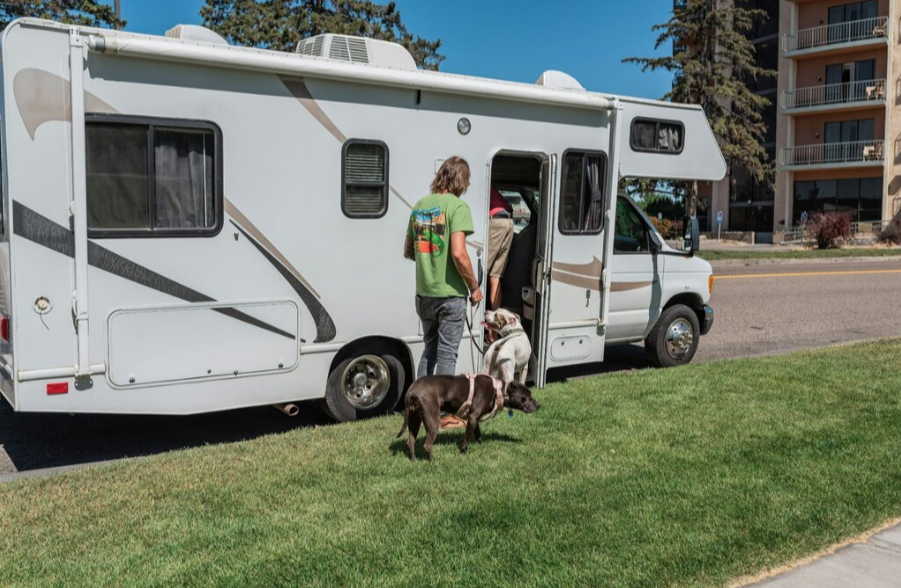
The appeal of motorhome travel is easy to understand. You take your home with you, go where you want, stay as long as you like, and come back when you’re ready. What’s less immediately obvious is how to get into it without spending considerably more than the experience is worth, which is a mistake more first-time buyers make than most dealers would have you think.
The financial decisions made at the buying stage tend to follow buyers for years afterwards, whether that’s in the form of a loan repayment that’s slightly too large, a vehicle with features that never get used, or a size that doesn’t suit how they actually end up travelling. Getting those decisions right from the start produces a very different ownership experience from discovering them through trial and expensive error.
Understanding What You Actually Need vs What’s Nice to Have
The motorhome market does an excellent job of making upgrades feel essential. A larger slide-out section, a more powerful generator, a higher-spec kitchen, all of these things are genuinely appealing when you’re standing in a showroom or browsing listings. Whether any of them are worth the additional cost depends entirely on how you actually plan to use the vehicle.
Someone who plans to spend most nights in caravan parks with full hookups has very different needs from someone planning extended off-grid travel. A couple travelling without children needs a very different layout from a family of four. A buyer who wants to take a few long trips each year has different priorities from someone planning to live in their motorhome full-time.
Answering these questions honestly before looking at specific vehicles, rather than after falling in love with something on a showroom floor, is the most important step in buying without overspending. It makes it much easier to decline the upgrades that don’t serve your actual use case, and to recognise the ones that genuinely do.
New vs Used: What the Numbers Actually Look Like
The new versus used question is one of the most significant financial decisions in the motorhome buying process, and it doesn’t have a single right answer for everyone.
New motorhomes come with manufacturer warranty, the confidence of knowing the vehicle’s full history, and the ability to specify exactly what you want. They also come with depreciation that front-loads a significant portion of the vehicle’s total cost into the first few years of ownership. A motorhome that costs a certain amount new will be worth considerably less after two or three years of use, which means buyers who sell within that window absorb a real financial hit.
Used motorhomes sidestep that depreciation curve, which can represent genuine value for buyers who do their due diligence. The risks are the reverse: unknown history, the possibility of maintenance deferred by the previous owner, and no manufacturer warranty on an older vehicle. For buyers who know what to look for, or who have access to a good inspection service, used motorhomes can offer strong value. For those buying without that knowledge, the savings can disappear quickly in repairs and rectifications.
What Budget Motorhomes Actually Offer Today
The entry-level end of the motorhome market has improved considerably, and a well-chosen budget motorhomes option from a reputable manufacturer can deliver a genuinely comfortable travel experience without the premium price of top-spec models. Not every model needs the largest slide-out or the most powerful solar setup to produce a comfortable trip, and for many buyers, particularly those just starting out, a simpler and more affordable vehicle produces a better first experience than a fully featured one that costs significantly more and takes longer to pay off.
The practical consideration here is that most people’s travel style evolves over the first few years of motorhome ownership. What someone thinks they’ll want before their first trip is often different from what they actually find themselves using. Starting at a point that matches current needs, rather than anticipated future ones, tends to produce better financial outcomes, and the option to upgrade later is always available.
The Ongoing Costs Most First-Time Buyers Underestimate
The purchase price is the most visible cost in motorhome ownership, but it’s far from the only one, and first-time buyers who focus exclusively on the upfront number often find the ongoing costs more significant than expected.
Registration and insurance are annual costs that reflect the size and value of the vehicle, and for larger motorhomes these can be meaningful. Servicing requirements for motorhomes differ from standard vehicles, and some repairs require specialist knowledge that not every mechanic can provide. Storage, if the motorhome isn’t being lived in or used continuously, is another cost that varies considerably depending on location and the type of storage chosen.
Site fees for caravan parks add up over the course of a trip, particularly in peak season or popular locations where nightly rates can be higher than many first-time buyers expect. Off-grid travel reduces this cost but increases the importance of having the right equipment onboard, which brings the conversation back to the buying decision and whether the vehicle chosen actually supports the travel style being planned for.
Why Getting the Buying Decision Right Sets Up Everything That Follows
Motorhome ownership, done well, can represent good value over the long term, particularly for people who travel frequently and would otherwise be spending regularly on accommodation, car hire, and flights. The financial case is strongest for buyers who made a considered purchase at the start, chose a vehicle that suits how they actually travel, and haven’t been carrying a loan repayment or ongoing costs that don’t match the value they’re getting from it.
The decisions made in the first conversation with a dealer, or in the first hour of browsing listings, have a way of echoing through the entire ownership experience. Taking the time to understand what you need, what you’re willing to pay for it, and what the full cost of ownership actually looks like before signing anything is the most useful thing a buyer can do, and it costs nothing at all.