Comprehensive Guide to Maintaining Commercial Roofs in Seattle

Key Takeaways
- Regular inspections are crucial to identify and address potential issues early.
- Proper drainage systems prevent water pooling and related damage.
- Choosing appropriate roofing materials enhances durability and performance.
- Professional cleaning services can effectively manage moss and algae growth.
- Implementing waterproofing solutions adds an extra layer of protection against moisture.
Table of Contents
- Understanding Seattle’s Climate Challenges
- Importance of Regular Roof Inspections
- Ensuring Effective Drainage Systems
- Selecting Durable Roofing Materials
- Managing Moss and Algae Growth
- Implementing Waterproofing Solutions
- Addressing Thermal Expansion and Contraction
- Partnering with Professional Roofing Services
Maintaining a commercial roof in Seattle requires a strategic approach due to the city’s distinctive weather patterns. This guide offers practical advice to help business owners protect their investments and ensure the longevity of their roofing systems. Engaging in regular commercial roof cleaning in Seattle is essential to prevent issues like moss growth and water damage.
Understanding Seattle’s Climate Challenges
Seattle’s climate is characterized by frequent rainfall, averaging over 150 rainy days annually, and high humidity levels. These conditions can lead to water pooling, moss growth, and accelerated wear on roofing materials. Business owners must be proactive in addressing these challenges to maintain roof integrity.
Importance of Regular Roof Inspections
Conducting bi-annual roof inspections, particularly before and after the rainy season, is essential. These inspections help identify minor issues such as small cracks or punctures before they escalate into significant problems. Early detection can prevent costly repairs and extend the roof’s lifespan.
During these inspections, special attention should be paid to roof penetrations, seams, and areas around mounted HVAC equipment, as these spots are especially vulnerable to leaks. Additionally, ensuring that any repairs are performed with high-quality sealants and compatible materials will help further prevent water intrusion. In Seattle, moss and algae may quickly obscure early warning signs, so a thorough inspection process, often best performed by professionals, will reduce the likelihood of overlooking critical areas.
Ensuring Effective Drainage Systems
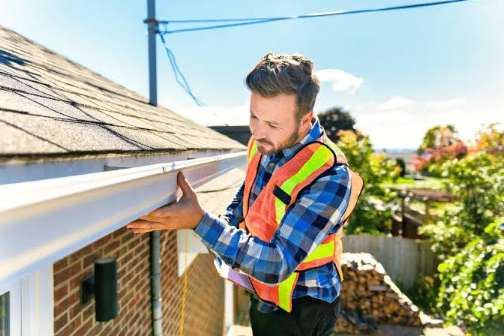
Proper drainage is vital to prevent water accumulation on flat or low-slope roofs. Ensuring that gutters, downspouts, and internal drains are clear of debris allows for efficient water flow, reducing the risk of leaks and structural damage.
Regular clearing of leaves, needles, and debris, especially from nearby trees, is essential to keep water moving freely off the roof surface. Standing water, if left unattended, can rapidly deteriorate roofing materials and contribute to costly repairs down the line. Installing gutter guards and conducting seasonal maintenance will help minimize clogs and standing water risks. Furthermore, assessing how water is moving away from the building’s foundation will protect not only the roof but also the entire structure from moisture-related issues.
Selecting Durable Roofing Materials
Choosing roofing materials suited to Seattle’s wet climate enhances durability. Options like TPO (Thermoplastic Olefin) and PVC (Polyvinyl Chloride) membranes offer excellent waterproofing and resistance to mold and algae growth. These materials are also energy-efficient, reflecting sunlight and reducing cooling costs during warmer months.
Other robust materials for Seattle commercial roofs include metal roofing, modified bitumen, and high-quality asphalt systems that provide a durable, watertight barrier. Metal roofs are especially valued for their longevity and resistance to moss buildup. Insulation plays a significant role as well: adding or upgrading insulation during a roof replacement will enhance energy efficiency and temperature stability inside the building.
Managing Moss and Algae Growth
The damp environment in Seattle promotes moss and algae proliferation on roofs. Regular cleaning and maintenance are necessary to prevent these organisms from causing damage. Installing zinc or copper strips along the roof ridge can also inhibit moss growth, as rainwater washes over these metals, releasing ions that deter moss formation.
Moss and algae not only create a safety hazard by making roof surfaces slippery but can also trap moisture against roofing materials, accelerating their deterioration. Commercial roof cleaning should involve gentle scrubbing and appropriate cleaning agents; avoid harsh chemicals that could damage roofing membranes. A planned cleaning schedule (at least once yearly) helps manage biological growth while keeping the roof’s warranty valid. Remember that ignoring this step can reduce your roof’s lifespan by years, leading to premature replacement.
Implementing Waterproofing Solutions
Applying waterproof coatings or membranes adds an extra layer of protection against moisture infiltration. These solutions are particularly beneficial in Seattle’s rainy climate, helping to prevent leaks and extend the roof’s service life.
There are several types of waterproofing treatments available, from elastomeric coatings that form seamless, flexible membranes to more specialized products suited for metal, asphalt, or single-ply systems. The choice of waterproofing should be based on the roof’s material and age, as well as the building’s specific needs. Scheduling periodic reapplication of these coatings ensures maximum effectiveness against Seattle’s wet weather and keeps underlying layers dry and damage-free.
Addressing Thermal Expansion and Contraction
Seattle’s temperature fluctuations can cause roofing materials to expand and contract, leading to cracks and splits. Using flexible materials like EPDM (Ethylene Propylene Diene Monomer) can accommodate these movements, reducing the risk of damage.
In addition to selecting the right materials, business owners should consider the effects of temperature changes when installing new roofing systems. Professional roofers often use expansion joints and install flexible flashing materials around corners, penetrations, and seams. These measures help prevent membrane stress, which can result from drastic or sudden changes in temperature, and ultimately reduce the need for repeated repairs.
Partnering with Professional Roofing Services
Engaging with experienced roofing professionals ensures that maintenance and repairs are conducted effectively. For instance, Washington Weather Shield offers specialized services in commercial roof cleaning in Seattle, helping businesses maintain their roofs in optimal condition. Their expertise in handling Seattle’s unique climate challenges makes them a reliable partner for commercial roof care.
Professional contractors offer valuable guidance when selecting preventative maintenance programs tailored to your building’s specific needs, including scheduled inspections, gutter cleaning, moss management, and warranty compliance support. In addition to the peace of mind these experts provide, partnering with a reputable roofing company can help you save on unplanned repairs and maintain a more predictable budget for building maintenance.
By implementing these strategies, Seattle business owners can effectively manage their commercial roofs, ensuring durability and performance despite the city’s challenging weather conditions.
To maximize your roof’s lifespan, develop a roof management plan that includes all the practices above, with detailed yearly checklists and digital records of repairs, cleaning, and inspections. Not only does this approach make it easier for new facility managers to take over responsibilities, but it also streamlines the process for insurance claims and warranty eligibility. Staying proactive with roofing care not only protects your current investment but also enhances your property’s value in the long run.