Ensuring the Safety and Longevity of Railroad and Highway Bridges
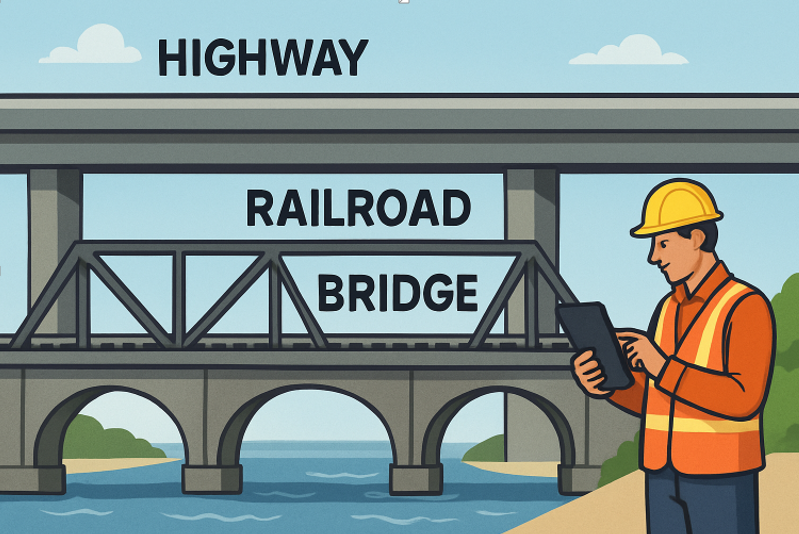
Bridges are vital components of our transportation infrastructure, enabling the efficient movement of people and goods from coast to coast. Their ongoing safety and structural soundness are critical, not only for economic vitality but also for public safety. Safeguarding these structures requires consistent oversight, timely repairs, and—in some cases—complex processes such as railroad bridge demolition to make way for safer, more modern crossings. Whether addressing small maintenance needs or fully replacing outdated spans, these efforts ensure continued reliability for years to come.
Many of these essential bridges carry not only personal vehicles but also the vital railways that transport goods and connect regions in the U.S. As bridges age, meticulous inspection regimens and coordinated repair initiatives become increasingly important for maintaining an uninterrupted and safe transportation network. At the same time, there is a growing conversation about public transparency, modern inspection technologies, and how federal support can better enable long-term solutions.
Importance of Regular Inspections
Routine inspections are the first line of defense in identifying and resolving bridge safety issues before they can escalate into public hazards. Inspections enable engineers and authorities to catalog everything from minor wear and tear to critical cracks and corrosion. The Federal Railroad Administration (FRA) has increasingly prioritized the training of inspectors, seeking to bolster federal oversight and address longstanding safety gaps. Enhanced expertise not only improves the frequency and rigor of inspections but also helps set nationwide safety standards for both railroads and highways.
Without intervention, seemingly minor deteriorations can escalate into catastrophic failures, as illustrated by past bridge failures that have led to expensive and sometimes tragic consequences. Proactive measures, informed by regular inspection data, are crucial to minimizing disruptions and ensuring that essential corridors do not deteriorate into disrepair.
Federal Initiatives to Enhance Bridge Safety
Recognizing aging infrastructure as a national challenge, federal authorities have released major funding packages to address urgent bridge needs. For example, in 2024, $2.4 billion in grants supported 122 railroad projects across 41 states and Washington, D.C., primarily targeting bridge upgrades, track improvements, and the exploration of sustainable fuel alternatives. These coordinated efforts are partially in response to lessons learned from high-profile incidents and ongoing concerns voiced by both state governments and private operators. By providing a financial and regulatory framework, these initiatives help ensure that bridges receive the attention and reinvestment they deserve.
Federal involvement also drives innovation and best practices, encouraging the adoption of advanced safety methods and data-driven repair programs. These efforts, in conjunction with state and local governments, form the backbone of a resilient bridge system capable of withstanding increasing demands for usage and climate-related stressors.
Challenges in Bridge Maintenance
Despite intensified focus and funding, substantial challenges remain, particularly with older railroad and highway bridges. Maintenance responsibilities often fall to private rail companies, which typically self-inspect and rarely disclose their findings publicly. This lack of transparency can limit broader public oversight and reduce confidence in the system’s safety. Furthermore, the sheer scale and age of the nation’s bridge inventory pose resource allocation dilemmas, as many structures require different interventions—from rehabilitation to total replacement—amid tight budgets and logistical restrictions.
Coordinating schedules, minimizing traffic disruptions, and balancing passenger and freight priorities add layers of complexity. Additionally, infrastructure in rural and remote regions, which may be less visible to the public, can struggle to attract equal investment and maintenance attention. The need for standardized reporting and accountability is increasingly pressing as bridge networks continue to expand, and environmental challenges, such as severe storms, test the durability of older systems.
See also: Cybersecurity Best Practices for Small Businesses
The Role of Public Transparency
Fostering public trust in bridge safety starts with transparency. Unlike highway bridges, for which inspection results are made public in many states, railroad bridge assessments are often confidential and limited to internal company review. Many safety advocates argue that making these records more easily accessible could motivate stronger maintenance cultures and enhance external oversight capabilities. By opening inspection data to review—from local authorities to concerned citizens—stakeholders can make more informed decisions and call for improvements as needed.
Transparency is also a deterrent to deferred maintenance; the increased scrutiny and public awareness can drive accountability at each stage of the inspection and repair process. With open access to safety data, communities are empowered to participate in infrastructure advocacy and to trust that their daily routes are monitored with rigor and care.
Future Directions in Bridge Safety
The road ahead for bridge safety merges tradition with technology. Innovations like embedded sensors, machine learning, and predictive analytics are transforming inspections from periodic manual checks to dynamic, real-time monitoring systems. These advances enable the early detection of stress points or weaknesses, allowing for targeted repairs long before visible damage appears. Artificial intelligence, when trained on large datasets, can recommend optimal maintenance schedules and resource allocations more efficiently than ever before.
Conclusion
Ensuring the safety and longevity of railroad and highway bridges requires a coordinated commitment to regular inspections, adequate funding, and transparent oversight. As infrastructure continues to age and transportation demands increase, proactive maintenance and timely modernization become essential to protecting public safety and economic stability. By combining federal support, improved inspection practices, and emerging technologies with greater public transparency, stakeholders can extend the service life of critical bridges and build a more resilient transportation network for the future.